[ad_1]

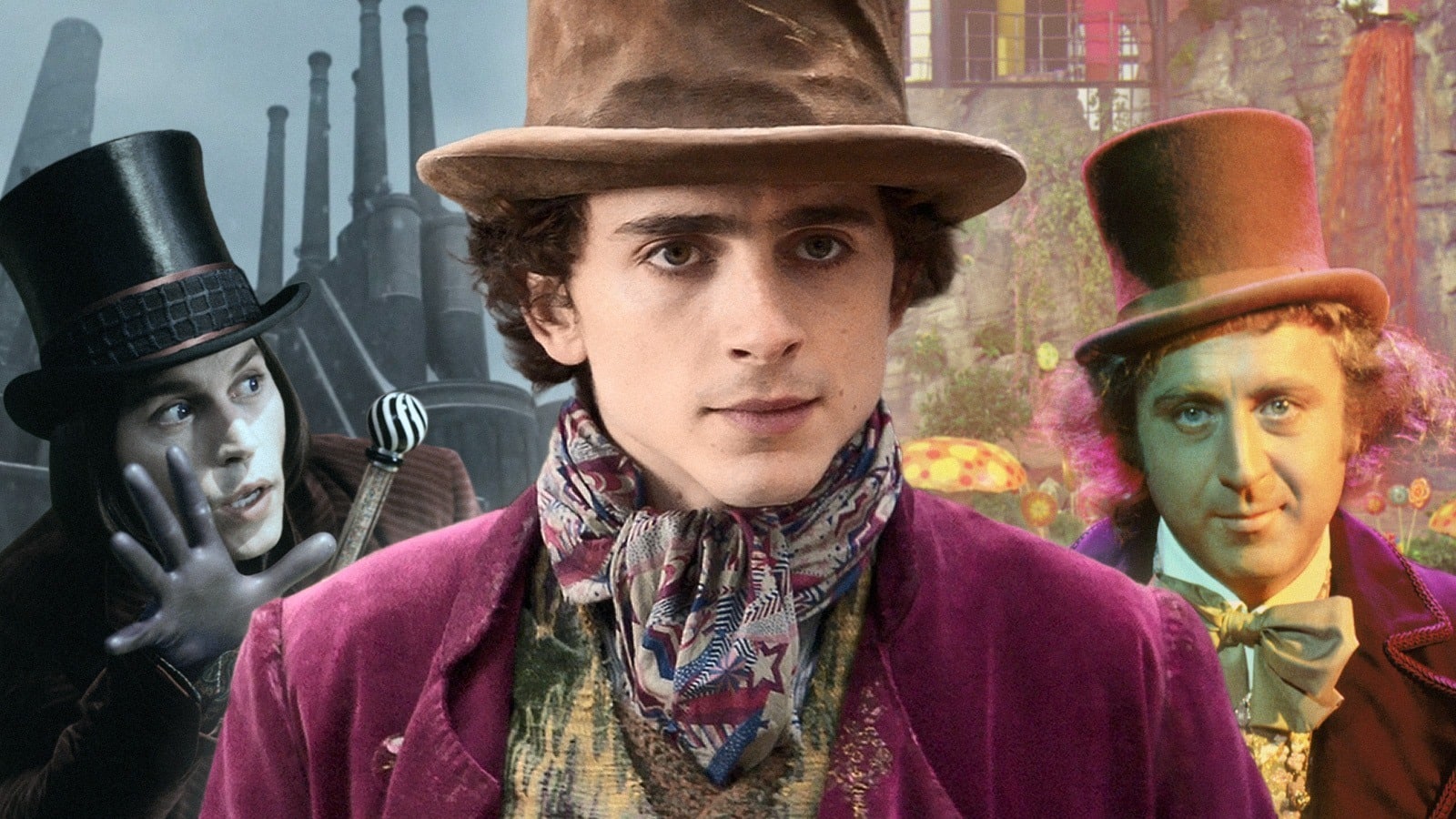
While Burton’s «Charlie and the Chocolate Factory» was received well, most people tend to quickly assert their preference for Mel Stuart’s 1971 effort, «Willy Wonka and the Chocolate Factory.» It’s easy to see why. Gene Wilder, the latter’s star, was among the most beloved actors of his generation, with a wide, disarming smile and an affability that left audiences with no choice but to adore him. His Wonka, though, is not the person Roald Dahl created.
The Stuart directed film ultimately depicts Wilder’s Wonka as a benevolent person, someone searching for a bit of good in a world of greed. One explanation for this is that Stuart’s film was a corporate endeavor. The company responsible for real-life Wonka candy funded the film (hence why the movie’s name was changed), and it wanted a character that would endear children to the brand, not repel them. This understandably angered Dahl.
Burton’s movie is far more faithful to Dahl’s book, which is focused on the economic inequality of its fictional world. At the novel’s outset, Dahl emphasizes the economic hardship of the Bucket family. Mr. Bucket works for pittances at a toothpaste factory — toothpaste, of course, being necessary to prevent chocolate from rotting one’s teeth — and the book notes, «However hard he worked … [Mr. Bucket] was never able to make enough to buy one-half of the things that so large a family needed.»
And where does Wonka figure into this? His factory sits on the other side of town, with «huge iron gates» and a «high wall,» a grotesque contrast to the poverty around it. We are told that its presence «tortured Charlie,» who can only afford one candy bar a year. It is nothing short of a maleficent presence. There’s no room for Wilder’s geniality here.
[ad_2]
Deja una respuesta