[ad_1]

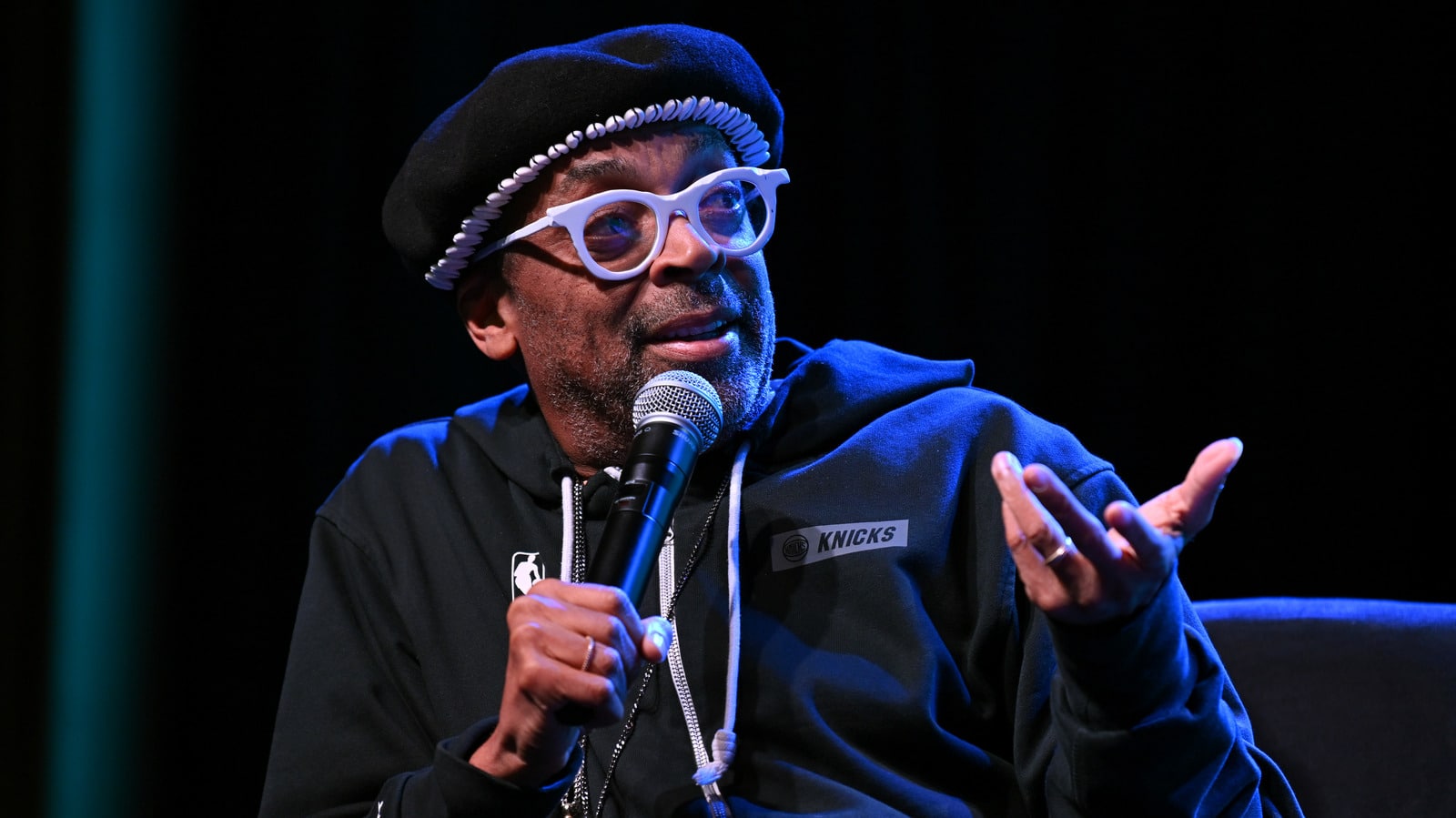
Spike Lee isn’t the only one who’s questioned the omission of Japan in «Oppenheimer.» Viewers have weighed in on the matter, with many seeing the absence of such a perspective as either a detriment to or a strength of the movie. Greg Mitchell of Mother Jones argued that without presenting any solid counterargument to America’s decision, the film loses a lot of its potential bite. «Nolan’s message is undermined by his failure to challenge America’s use of the bomb, beyond trying to make sense of Oppenheimer’s wildly conflicting emotions,» Mitchell wrote.
Others weren’t so shocked by the prioritizing of white American voices but were nevertheless tired of the trope showing up in another Hollywood blockbuster. Mediaversity Reviews founder and film critic Li Lai shared on Twitter, «I was uncomfy watching yet another movie about tortured white male genius when the victims of the atrocities glossed over by the script—Japanese people, interned Japanese Americans, and Native Americans—had no voice.»
Speaking with KQED, Karen Umemoto, the director of Asian American Studies at the University of California Los Angeles, similarly criticized the erasure. «I would show depictions of the bombings that are raw and honest,» Umemoto said. «But that’s not what sells movie tickets.»
Some fans didn’t see how showcasing this perspective would have organically fit into the film, with u/Twj247 on Reddit noting, «It was simply not witnessed by Oppenheimer or Strauss.»
Furthermore, Redditor u/lxsadnax felt that presenting the atrocity could lead to backlash. «It’s a story about Oppenheimer and the nuclear bomb …» they shared. «If they showed the bombs dropping people would’ve accused them of turning it into a special effects extravaganza.» While this is a valid concern, ignoring Japan’s point of view could have greater repercussions.
[ad_2]
Deja una respuesta