After hearing about the behind-the-scenes impact «Star Trek II: The Wrath of Khan» and its titular antagonist had on subsequent entries in the franchise, it’s easy to see how later films were pushed to emulate that winning formula. From General Chang in «Star Trek VI: The Undiscovered Country» to the Borg Queen in «Star Trek: First Contact,» many central antagonists clearly took inspiration from Khan’s archetype to varying degrees of success.
It took decades for the Star Trek film franchise to start fresh after «The Wrath of Khan,» with a complete reboot of the continuity arriving in 2009’s «Star Trek.» However, even a complete overhaul couldn’t last long without acknowledging Khan. Indeed, the sequel «Star Trek Into Darkness» serves as a quasi-remake of «The Wrath of Khan» and reintroduces the character, portrayed in this instance by Benedict Cumberbatch.
Even now, more than four entire decades since «The Wrath of Khan» first broke onto the scene, Star Trek still feels the influence of both the film and Khan as a character in various projects. The TV shows also draw inspiration, with «Star Trek: Picard» Season 3 taking a cue from «The Wrath of Khan» and «Star Trek: Strange New Worlds» introducing a descendant of the antagonist as a major character. It seems that both Starfleet and the creative forces behind Star Trek will never be truly rid of the most iconic villain to ever hit the franchise.
Trying to explain director Richard Linklater’s 2001 animated epic «Waking Life» feels, in some ways, like an exercise in futility to an extent. The «Boyhood» director crafted an ambitious animated film with rotoscoping, using an unnamed protagonist to take viewers through a trippy, surreal experience within a dreamlike state (hence the title). Throughout a variety of intellectual and philosophical discussions, the man tries to make sense of his surroundings, but eventually, he understands that in this «waking life,» he’s just like the audience: a passive viewer who can’t participate.
The movie also features random scenes that have nothing to do with the protagonist, some of which reference the director’s other films. For example, Julie Delpy and Ethan Hawke joined the movie to play their characters from 1995’s «Before Sunrise» (one of Linklater’s most beloved movies which spawned two carefully considered sequels to date). Ultimately, it all comes together when the protagonist meets a character representing Linklater himself, who attempts to convince the man that he needs to give in to the needs of the universe. «Waking Life» is a slightly baffling movie, but it’s also a beautifully told film about the boundaries of human consciousness.
Hugh Jackman’s Wolverine brutally murdering Tyler Mane’s Sabretooth may be a nod to a memorable Marvel Comics story. In «Wolverine» #55 (by Jeph Loeb, Simone Bianchi, and Andrea Silvestri), Wolverine decides to end Sabretooth’s life after the out-of-control mutant kills Feral. To take Victor Creed out, Logan retrieves the Muramasa Blade, a weapon designed to eliminate his most savage form (should it ever be unleashed), which slows down healing factors and is capable of killing thought-to-be-unkillable foes. Wolverine wastes little time when Sabretooth attacks, cutting off his arm with the sword. Sabretooth tries to reattach his arm but quickly discovers the weapon halts his usual healing. In a gory scene, Wolverine uses the blade to finish the job, slicing off Sabretooth’s head as his bloodied corpse falls to the ground.
The «Deadpool 3» set photos show Wolverine killing Sabretooth with his claws, not the Muramasa Blade, so it’s unlikely the scene will play out like it does in the comics. But the result is the same: Wolverine finally takes down his brother in one of the darkest ways imaginable. Considering Deadpool’s participation in Sabretooth’s death, it’s safe to assume that the moment will be much more humorous than the uber-serious sequence in the comics.
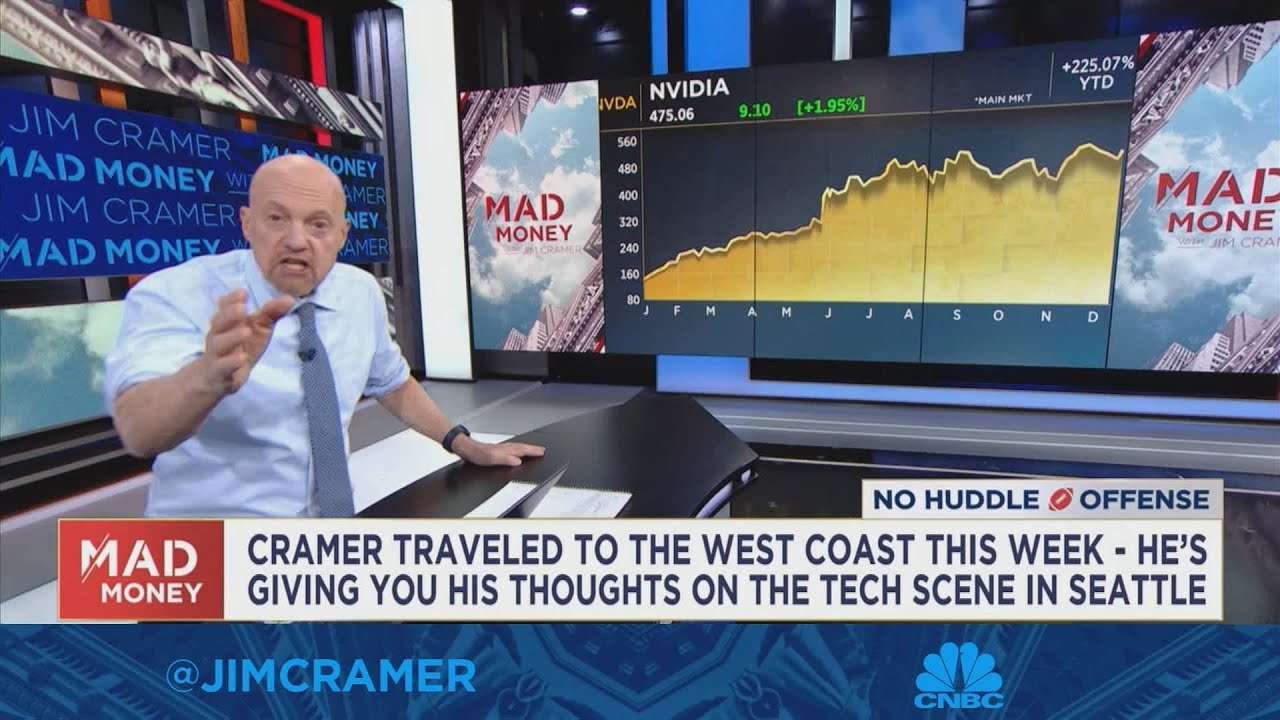
Just a few months after it looked like Seattle was being left out of the national conversation about artificial intelligence and the new tech economy, CNBC’s “Mad Money” host Jim Cramer put the spotlight on the region.
In a segment (above) titled “Tales from the Emerald City,” Cramer waxed about a recent West Coast trip where he spent a few days “at the epicenter of AI.”
“It’s not in Silicon Valley,” Cramer said. “It’s actually in the Seattle area, where Amazon and Microsoft are headquartered.”
Cramer called Microsoft the “real leader” in AI because it owns just under half of OpenAI, creators of ChatGPT, and he said that while other companies talk about how they’re going to make a killing in generative AI, Microsoft’s already doing it.
The former hedge fund manager talked about Microsoft Copilot, the “AI companion” that brings the company’s AI capabilities together into a combined experience. Cramer said people behind the scenes at Microsoft indicate that Copilot “has a shockingly strong level of absorption, very quickly.”
Cramer also complimented Amazon, which he said is using AI technology “to figure out what you want before you know you want it.”
The love for Seattle was in stark contrast to the mood in September, when it looked like the national media was keen to forget the region’s potential as an AI hub.
Seattle should be “viewed as one of the very best centers of excellence for AI,” Matt McIlwain, managing director at Seattle VC firm Madrona, said during an episode of the Shift AI Podcast. But, he told GeekWire in September: “sometimes we are too understated.”
Cramer has been called a lot of things. Understated is probably not one of them, and in his stated quest to make money for his viewers, he said AI stocks have room to run.
“Cynics say that the AI move is just too big already,” Cramer said. “I can tell you from my face-to-face talks with people in Seattle, this move’s just getting started.”
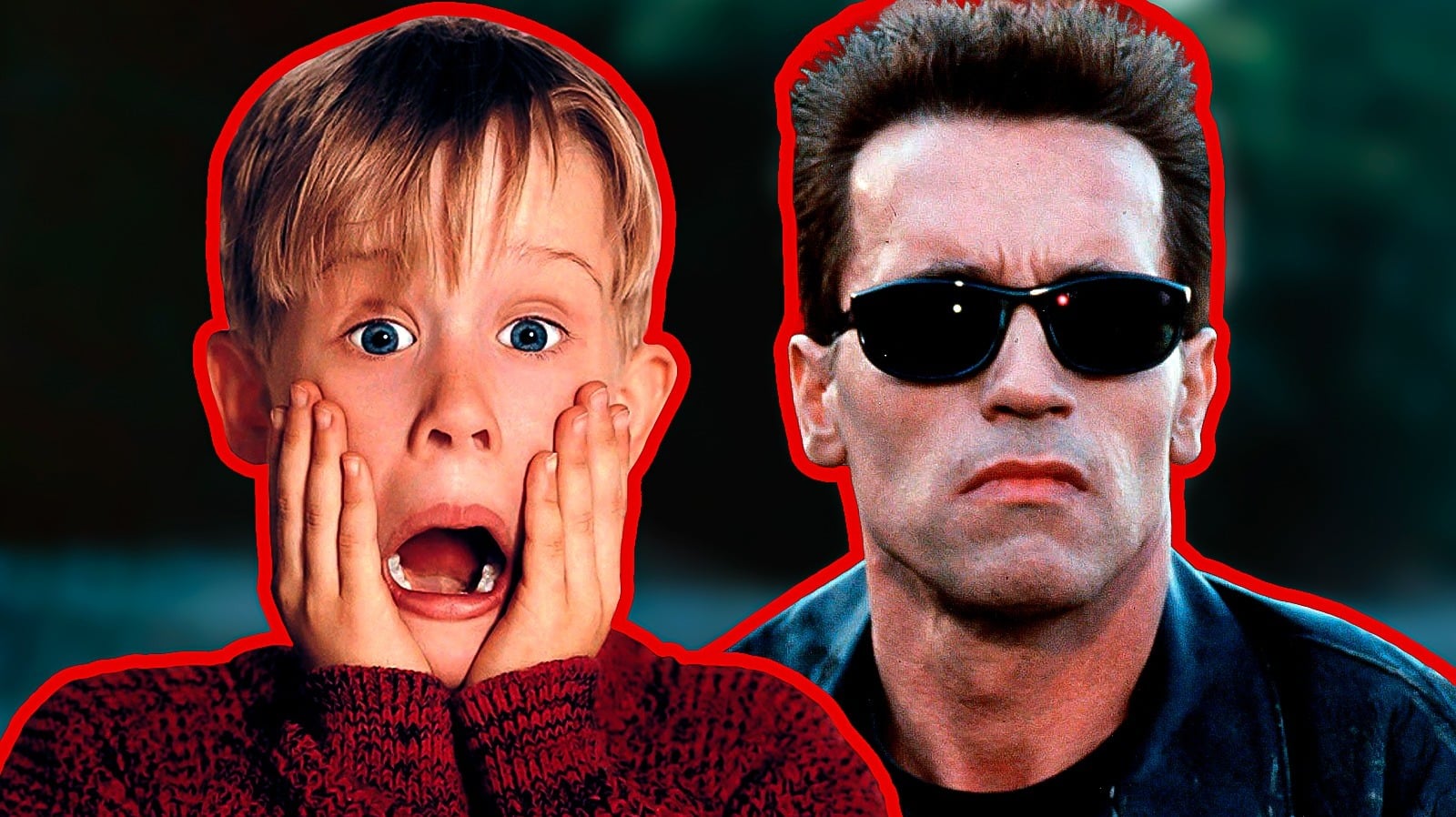
Based purely on their traveling expenses, it’s fair to assume that the McCallisters are a financially stable bunch. Missing his family, we know that Kevin’s uncle Rob (played by Ray Toler in a deleted scene) paid for the whole trip. However, let’s imagine that Kevin’s family did pay for the trip because … Well, if their home is anything to go by, they might have been able to swing it.
The official «Home Alone» novelization by Todd Strasser confirms that Kevin’s dad is a businessman and that his mom is a fashion designer. Before we speculate on their finances, it’s important to pay attention to the one asset they hold that we’re privy to: their Winnetka neighborhood home, which Bloomberg says is one of the wealthiest places in America. Looper asked Trey Danna, a Seattle-based real estate expert and agent with over 30 years of experience to estimate the cost of the McCallister’s home. Assuming a 4.1% annual appreciation of real estate in the Winnetka area, Danna’s team estimated that the home cost about $620,000 in 1990. To afford this 6-bedroom home in 1990, Danna says the McCallisters would need an annual income of $175,000.
Today, that house would be north of $2.3 million — that’s over $542 per square foot. In 2012, The Chicago Tribune noted that the specific house used in «Home Alone» sold for nearly $1.6 million. If you were to buy the «Home Alone» house today, Danna noted that a potential buyer would need a down payment of $466,977 — essentially a 20% down payment. Yikes!
While @skull101ify’s design showcases Bucky as Captain America, directors Joe and Anthony Russo have made it very clear why Sam is the right person to take up the moniker following Steve instead. Discussing the scene of «Avengers: Endgame» in which Steve passes his shield on to Sam with USA Today, the directors said Sam’s mindset and past make him the perfect choice for the role, whereas Bucky still has work to do before even being considered a hero.
«So far as matching the level of integrity of Captain America, Sam is pound for pound as morally forthright as anyone in the Marvel universe. And Bucky’s a damaged character,» Joe said. «Sam spends his time trying to repair other people who are broken by war, and it just feels like he has the same values as Captain America,» Anthony added.
While Bucky has come a long way since his time as the Winter Soldier (with Malcolm Spellman, the creator of «The Falcon and the Winter Soldier,» clearing up that big question), becoming Captain America feels like it would stunt his growth — he needs to fix himself before he can ever consider taking up such a prominent role. He works better as a sidekick and confidant.
As mentioned by Jackson Sze, the final design from Constantine Sekeris that got the green light wasn’t as alien as the original Grandmaster from the comics. Revealed in the latter’s designs also on Instagram, the final version did have the prominent gold color that he was often seen wearing in the comics, but his blue skin was minimalized right down to the small goatee-like strip going down his chin. The adjustment was also from Taika Waititi doing his star a solid and avoiding him going through an experience he’d already had years before.
Speaking to IGN about the character in 2017, Waititi explained that the reason why the blue makeup wasn’t broken out was «Because he [Goldblum] did another movie where he was blue,» referring to the 1988 sci-fi flop that’s still worth checking out, «Earth Girls Are Easy,» and that switching to a more Smurf-like appearance might detract from the character. The decision paid off, and we thankfully got Goldblum in full form, throwing sass at the god of thunder and applying the Melt Stick on close relatives. We wouldn’t have him any other way.
Like the original Star Wars trilogy, the sequels enlisted different directors, with Rian Johnson taking the baton from J.J. Abrams for «The Last Jedi.» But while George Lucas spearheaded the narrative flow of the classics (directing «A New Hope» and working closely with Irvin Kershner and Richard Marquand on the others), the filmmakers behind the sequel trilogy had distinctly different visions for their franchise entries.
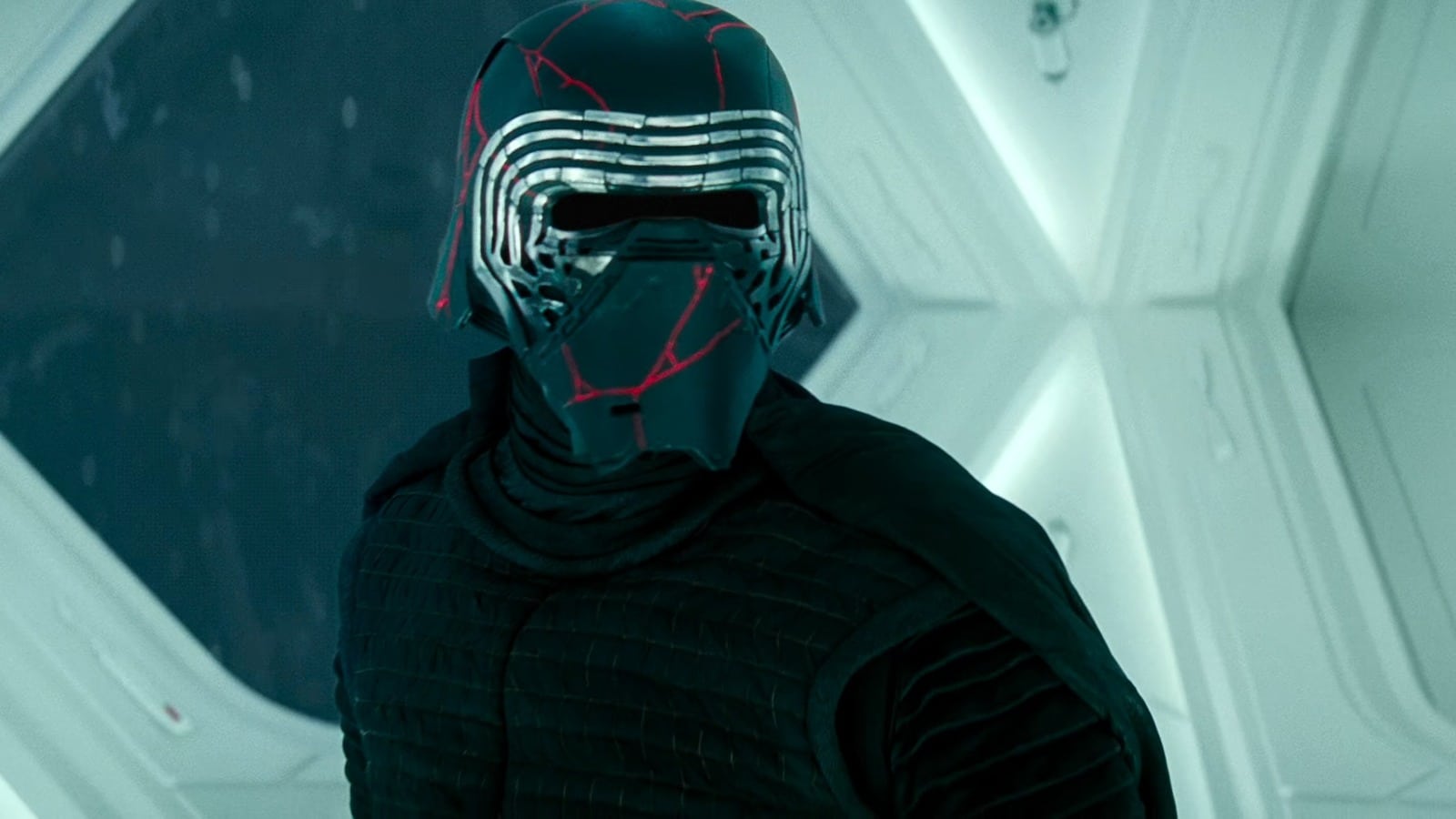
Despite realizing that Kylo Ren was changing in a way he didn’t expect, Adam Driver told Rich Eisen that, in his mind at least, he committed to the character’s story arc as it was pitched to him. «With Rian, he took it in a different direction, but it still tracked with the character,» he said. «And then the last one, it changed into being, you know, about them and the Dyad and things like that. And evolving into Ben Solo. That was never a part of it. He was Ben Solo from the beginning, but there was never a version where we’d see Ben Solo when I first signed up for it.»
Of course, it could be possible that Driver would have gotten what he signed up for before original «Star Wars: Episode IX» writer-director Colin Trevorrow left the project over creative differences with Lucasfilm. Abrams took over directing duties from there, helming what eventually became «The Rise of Skywalker.» If there’s any consolation, Driver at least was lucky enough to have a shot at a full arc for Kylo Ren. Things may have been much different had Disney gone with the plan for George Lucas’ original sequel trilogy instead.
As an entertainment journalist for Looper’s newsroom, it’s my job to follow new releases and examine how they resonate with the world. Films that cause controversy are impossible to avoid in this role, and everyone on our esteemed team witnessed these controversies unfold in real-time. So how did I decide which movies deserved to make the cut?
For this exercise, I chose films whose controversies inspired the most heated debates, forced filmmakers to defend their decisions, or connected to social, political, and cultural issues that dominate contemporary headlines. The discourse surrounding most of these movies transcended entertainment, as evidenced by the reactions from various political leaders and religious groups. Basically, they were very public and impossible to ignore.
My methodology entailed digging through news reports, social media posts, interviews, and countless think pieces to find an objectively controversial selection of films, instead of basing each entry on my own subjective opinions. Of course, everyone is entitled to agree to disagree with my choices, but the evidence indicates that each movie caused a commotion in its own way.
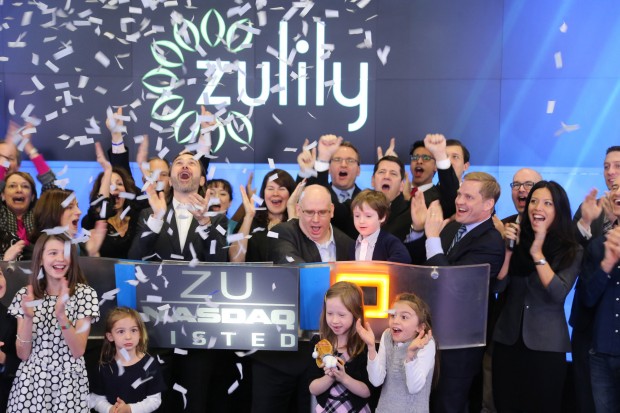
Seattle-based online retailer Zulily went public in 2013. Co-founder and former CEO Darrell Cavens is at center, with his son. Mark Vadon, the company’s co-founder, is left of Cavens, looking upwards to the confetti. (File Photo)
It’s been a wild past several days for Zulily. As we’ve reported, the online retailer is shutting down three offices, including its Seattle headquarters, and laying off more than 800 people. The company, owned by private equity firm Regent, announced a “going-out-of-business” sale this past weekend.
The collapse has shocked and saddened longtime employees, many of whom describe their time at Zulily as formative periods in their careers. It’s a stunning turn of events for a business that was once a cornerstone of Seattle’s tech industry, valued at more than $7 billion.
Over the weekend, we caught up with Mark Vadon, the veteran tech entrepreneur and executive who helped launch Zulily in 2009 with Darrell Cavens, his former colleague at jewelry retailer Blue Nile.
Vadon left his day-to-day work at Zulily following its $2.4 billion sale in 2014 to QVC parent Qurate (then known as Liberty Interactive). He sat on Qurate’s board until June 2022. Regent acquired Zulily in May of this year.
Vadon, a former chairman at Chewy, declined to comment on Zulily’s current state or theorize about what may have led to its recent downfall. But he expressed disappointment.
“More than anything, I just feel bad for the people who worked so hard to build something that I think was truly special,” Vadon said.
Asked if he would consider buying back the Zulily brand, Vadon said he’s “happily retired.”
“I’ve got four daughters and I’ve kind of moved into a different life stage,” said Vadon, who is on the board of Rad Power Bikes and AG1. “Building businesses is not my future.”
Here are some other takeaways from our conversation.
How it all started
Vadon recalled meeting Cavens for a beer at a Seattle pub in 2009. The tech vets wanted to build something together again after their experience at Blue Nile. Both brought pieces of paper with lists of 10 people they wanted to work with.
“We compared lists,” Vadon said. “The people that overlapped, we circled them, and we went out and got them.”
Most of that initial group had already worked together. “That let us move very fast,” Vadon said.
Mark Vadon speaks at the 2014 GeekWire Summit. (GeekWire File Photo)
The company’s timing — just after the 2008 recession — also made recruiting a little easier.
And as co-founders, Vadon and Cavens complemented each other well.
“Darrell was tech and ops, and I was finance and strategy, and good at fundraising,” Vadon said. “And there was no ego. We worked seamlessly together.”
We got in touch with Cavens, but he didn’t want to comment, beyond saying that it’s “certainly a sad day” for Zulily in light of the events of the past week.
Zulily’s secret sauce
There were a number of factors that led to Zulily’s success in a highly competitive retail environment, Vadon said.
Target market: Zulily initially focused on selling clothes, toys and accessories for babies, kids, and moms. “Young moms, they’re learning new things, they’re trying to do a good job, they’re highly social, and they’re trying to help each other out,” he said. “We tapped into a good market.”
Differentiation: Zulily didn’t want to compete with Amazon and other online retailers on shipping speed or selection. Instead it offered a limited number of daily deals and flash sales. Customers loved that shopping experience, and came back every day to discover new products. “They were getting entertainment out of the act of shopping itself,” Vadon said. “Not many companies were doing that.”
Business model: The company used an unusual fulfillment strategy by selling merchandise on its site before ordering products from vendors. This gave Zulily more control over its supply chain and fulfillment. The company also found a way to allow smaller vendors to surface their products for a large audience, giving Zulily another edge compared to the Amazons and Nordstroms of the world.
The long hallways at Zulily’s former downtown waterfront headquarters in Seattle were packed with merchandise from vendors. (GeekWire File Photo / Nat Levy)
“Zulily Mafia”
There was something about Zulily’s culture and business that created a breeding ground for future entrepreneurs.
“It was like grad school for entrepreneurship,” said Vadon.
The company’s revenue skyrocketed from $18 million in 2010 to $143 million in 2011 and then to $331 million in 2012 — just three years after it launched.
Zulily’s revenue ballooned after it launched in 2009. (Company filings)
At the time, Zulily was large enough to expose employees to the inherent challenges of running a big enterprise — but it was still small enough to give them an expansive view across the business, Vadon said.
“It was this place where you taught people to make decisions with data and move really fast, but then be willing to call out mistakes and change direction,” he added.
Many former Zulily employees went on to launch their own startups or take leadership roles at early stage companies in the Seattle area, including:
Zulily’s alumni, Vadon said, will “be impacting Seattle for a very long time.”
In the words of Jonathan Dresner, an East Asian history professor at Pittsburg State University, Kansas, «From the opening voiceover and title to the final scene, ‘The Last Samurai’ is a historical disaster.»
Tom Cruise plays a character named Nathan Algren (who was probably a composite of a few different people), a Civil War veteran who is hired to train Japanese soldiers to fight a rebellion of Samurai who refuse to embrace industrialization. Algren, of course, ends up a prisoner-turned-honorary member of the Samurai after learning about their combat and way of life. The Samurai class of Japan was made up of more than a million people before the changes enacted during Japan’s Meiji era, and many of them did choose to assimilate to new ways of living.
The Samurai who didn’t want to assimilate and rebelled didn’t do so because they feared the evils of modernization, but rather because they didn’t want to lose the specialized privileges and duties they retained because of their status. The film bases its war on the Satsuma rebellion of 1877, but in that rebellion the Samurai seized armories and readily made use of modern arms.
Furthermore, many of the aristocrats depicted in the movie were of the Samurai class and most of the Samurai were living in more urbanized areas by the late 1800s. The film’s romanticization and over-simplification of what was actually a complex faction made up of many different clans and interests is cringeworthy.
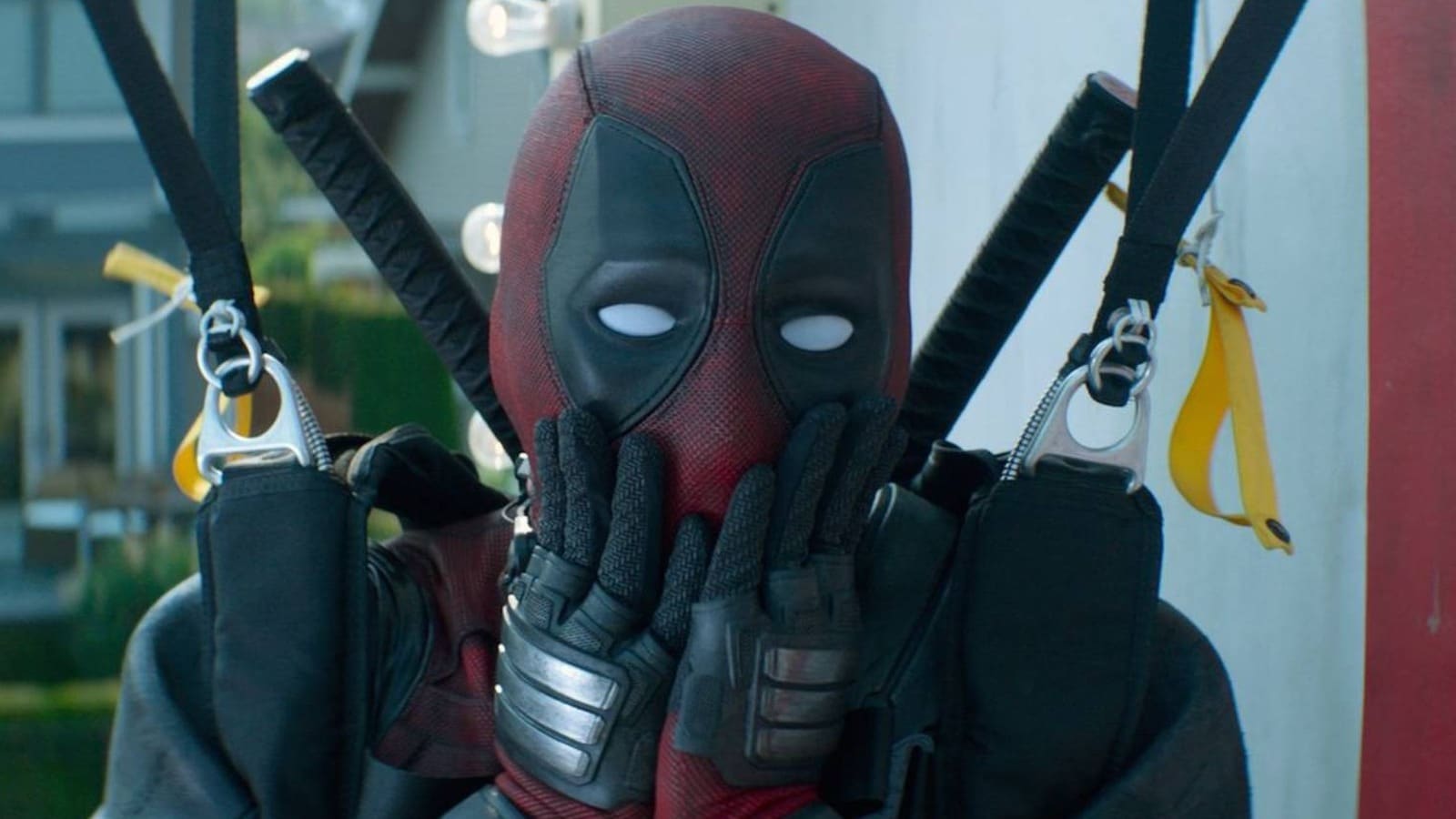
Since «Deadpool 3» takes place within the framework of the Marvel Cinematic Universe, which is currently undergoing Multiverse growing pains, Deadpool et al. can feasibly be any version of themselves that Marvel wants them to be. Leaked set photos show Deadpool and Wolverine (Hugh Jackman) fighting in front of a crumbling 20th Century Fox logo in the background, so it’s not exaggerating to say that nothing is off the table. With that in mind, Morena Baccarin’s other comments about the third installment are enticingly vague.
During a 2023 interview with Screen Rant, Baccarin teased a reinvention of Wade Wilson and Vanessa Carlysle’s relationship in that it provides a familiar bond in a new light. «You can see them in and out of each other’s lives constantly,» she said. «They’ve done a really great job of always reinventing that relationship and making it interesting, but maintaining the core thing that keeps them always coming back to each other. So I think there’s a little bit more of that in this film.»
Does that mean that «Deadpool 3» is reviving Vanessa, or does that mean that it will feature a variant of her, similarly to how «The Marvels» features a variant of Maria Rambeau (Lashana Lynch)? Since mutants are in the MCU now, will she officially become the shape-shifting Copycat? Baccarin must know … but she isn’t telling, and we probably won’t find out for certain until next year.
The announcement on the Library of Congress website of the 2023 inductees into the National Film Registry explains that its selections are «selected each year for their cultural, historic or aesthetic importance to preserve the nation’s film heritage.»
This year’s list reflects the work of a wide range of filmmakers. Some of its entries tell stories recounting experiences of immigration, social justice, political reform, and other topical subjects, the announcement goes on to read. The 2023 inductees are as follows:
A Movie Trip Through Filmland (1921)
Dinner at Eight (1933)
Bohulano Family Film Collection (1950s-1970s)
Helen Keller: In Her Story (1954)
Lady and the Tramp (1955)
Edge of the City (1957)
We’re Alive (1974)
Cruisin’ J-Town (1975)
¡Alambrista! (1977)
Passing Through (1977)
Fame (1980)
Desperately Seeking Susan (1985)
The Lighted Field (1987)
Matewan (1987)
Home Alone (1990)
Queen of Diamonds (1991)
Terminator 2: Judgment Day (1991)
The Nightmare Before Christmas (1993)
The Wedding Banquet (1993)
Maya Lin: A Strong Clear Vision (1994)
Apollo 13 (1995)
Bamboozled (2000)
Love & Basketball (2000)
12 Years a Slave (2013)
20 Feet from Stardom (2013)
The general public first nominates possible new additions to the National Film Registry. In 2023, 6,875 titles were up for consideration. From that pool, the Librarian of Congress selects each year’s picks. «Home Alone» and «Terminator 2: Judgment Day received considerable public support, according to the announcement. Now, each of these nominees will be preserved by the Library of Congress, raising the National Film Registry’s total to 875 films.
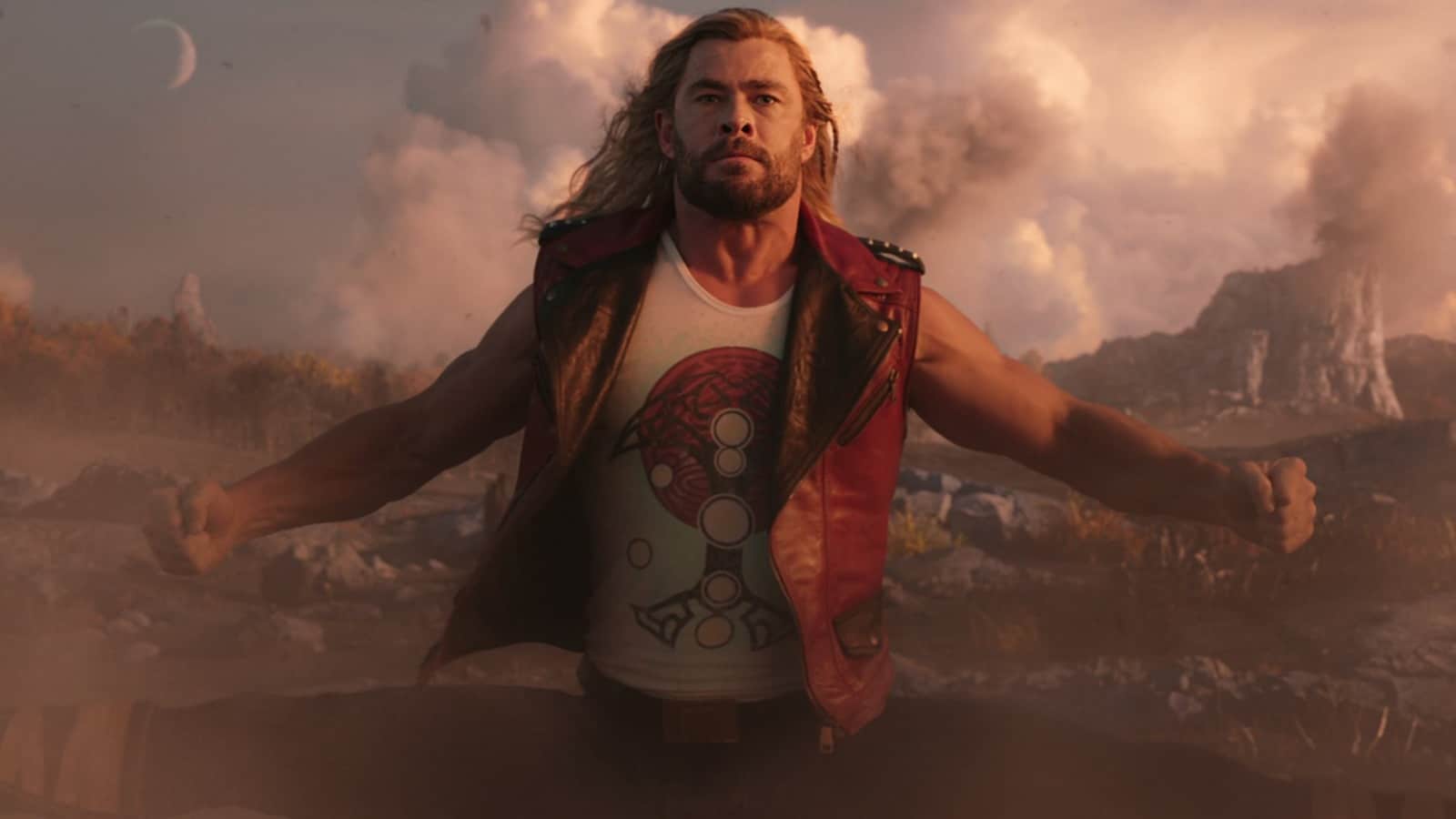
Taika Waititi, who helmed the last two Thor movies, has already confirmed he won’t be returning for the next installment. While «Thor: Ragnarok» was a critical and commercial success and is often lauded as the franchise’s best entry, «Thor: Love and Thunder» was met with a tepid response. Waititi approached his Thor films from a comedic perspective — with varying degrees of success — but with reports of «Thor 5» having a significantly darker tone than its predecessors, a fresh set of eyes may be what the franchise needs to rebound from «Love and Thunder.»
With Gareth Edwards now also out of contention for the director’s chair, it’s anyone’s guess who will helm «Thor 5.» But while he may not be joining the Marvel Cinematic Universe yet, Edwards made it clear he hasn’t ruled out the possibility of overseeing future projects: «I never say never. In the right circumstances, absolutely.»
We open on the planet of Veldt, a remote, rural community at the very edge of the universe controlled by the despotic Motherworld government. It’s this farming community where Kora (Sofia Boutella) has made her new home after fleeing from the Imperial Army, hoping to start a new life to atone for the sins of her past. But at the start of a crucial harvest season, that peace is threatened by the arrival of the army, who want to be given significant crops to help keep them fed and ready for battle at the galaxy’s outer reaches, where they are hunting rebels. With the army intimidating the residents into a no-win situation — either supply them with all their crops, starving the farmers to death, or be killed on the spot — Kora realizes it’s time to take action and fight for her adopted home, embarking on a quest across the galaxy to find other rebels who will help defend them from the Imperial fighters once they return.
If «Star Wars» was George Lucas’ tribute to Akira Kurosawa’s «The Hidden Fortress,» then «Rebel Moon» is Zack Snyder’s attempt to make a space opera out of another Kurosawa classic: «Seven Samurai.» As with his other influences here, the director makes zero attempts to disguise the obvious parallels between both, finding something oddly liberating in laying out the ways he aims to adhere to a tried-and-tested storytelling formula. Naturally, it doesn’t hold a candle to such a totemic influence, but it is an effective tribute, with the first act slowly building a sense of unrelenting dread as the farming community faces the biggest existential threat it’s ever faced. Once again, the sign that the film was working for me was that I couldn’t overlook the story it was mimicking but found myself drawn in and unnerved despite the familiarity.
It should be noted that the specific inciting incident that leads Kora to embark on her revenge mission will reignite a criticism rightfully leveraged at one of Snyder’s earlier films, «Sucker Punch,» through the way it portrays sexual assault. Like that effort, this isn’t an R-rated movie — the bloodlessness of the otherwise effectively staged fight scenes might be the biggest flaw on the whole — but «Rebel Moon» is instead a PG-13 attempt at an audience-friendly blockbuster, which means that any attempts to do justice to the portrayal of such a consequential threat feel awkward.
The hottest television series and the biggest concert tour were among the top trending topics of the year when it came to Google searches in the Seattle area.
The tech giant released its annual “Year in Search” breakdown on Monday, and broke out four trending categories for the Seattle area, including:
Top 5 trending “tour” searches: Taylor Swift’s “The Eras Tour,” which came through Seattle for two shows in July at Lumen Field. The singer called it one of her “favorite weekends ever” on Instagram.
Top 5 trending “TV show” searches: The HBO series “The Last of Us” was so popular as a search topic in the Seattle area that the region also ranked first in the U.S. for queries about the post-apocalyptic drama.
Top 5 trending “near me” searches: Pawn shops topped the list in Seattle, but searches for “smoke shop near me” helped the region lead the U.S. in that search.
Top 5 trending “versus” searches: The Dillon Danis vs. Logan Paul boxing match in October was tops. Another fight (that has yet to happen) also drew interest: Elon Musk vs Mark Zuckerberg.
Google’s overall Year in Search highlighted such trending topics as news (War in Israel and Gaza); passings (“Friends” star Matthew Perry); people (Buffalo Bills player Damar Hamlin); movies (“Barbie”); and more.
Fandango’s list of most-anticipated 2024 films continues Marvel’s reign of supremacy. «Guardians of the Galaxy Vol. 3» earned the top spot for 2023, so «Deadpool 3» is in good company. Last year’s list also contains a plethora of superhero fare and sequels, but it’s intriguing to examine how that played out when it came to people actually showing up in theaters.
«Ant-Man and the Wasp: Quantumania» clocked in at third on that list, and it notoriously underperformed. «Indiana Jones and the Dial of Destiny,» which also bombed at the box office, rounded out last year’s top five. Meanwhile, the highest-grossing film of 2023, «Barbie,» didn’t even get a mention. The same goes for its Barbenheimer cohort, «Oppenheimer,» so it just goes to show that anticipation doesn’t automatically translate to financial success. A lot can happen between now and when the films come out, such as negative responses from critics, so it’ll be fun to see how everything shakes out a year from now.
It’s also worth noting that Fandango only surveyed roughly 8,000 people — that’s not necessarily a humongous sample size to pull from. Regardless, there’s a lot riding on «Deadpool 3,» which is rumored to be a cameo-fest drawing from the Fox era of Marvel movies, so hopefully, that anticipation is maintained until it comes out on July 26, 2024.
It’s unclear what Gwen Stacy’s role in «Spider-Man: No Way Home» would have been had Emma Stone reprised her beloved part, but concept art from the film teases another unrealized idea involving one of the character’s key scenes in «The Amazing Spider-Man 2» that may give us some clues.
On ArtStation, concept artist Phil Saunders shared a selection of keyframes depicting the fight between Spider-Man (Tom Holland) and Doctor Strange (Benedict Cumberbatch) for the Book of Vishanti, including several scenes from prior «Spider-Man» movies. Among them are Peter Parker’s (Tobey Maguire) fight with Bone Saw McGraw (Randy Savage) in «Spider-Man,» the Oscorp-set finale of «The Amazing Spider-Man,» the church where Eddie Brock (Topher Grace) turns into Venom in «Spider-Man 3,» and the clock tower where Gwen Stacy meets her demise at the hands of the Green Goblin (Dane DeHaan) at the end of «The Amazing Spider-Man 2.»
Whether or not this would have been where Stacy shows up, it would have made for some subtle foreshadowing for Andrew Garfield’s Spider-Man saving MJ (Zendaya) from meeting a similar fate. Ultimately, we may never know how the actor would have fared in the MCU, but with «Madame Web» introducing a new family of Spider-Women to the big screen, fans on X, formerly known as Twitter, are buzzing for Stone to appear as a live-action Spider-Gwen.
«Eyes Wide Shut» was adapted from the 1926 German novella «Traumnovelle,» which translates to «Dream Story.» Stanley Kubrick co-wrote the film’s screenplay with Frederic Raphael and made notable changes to the book’s setting, location, and characters. In author Arthur Schnitzler’s original version, the story is set in the early 20th century in Vienna during Mardi Gras. Kubrick chose to update the material by moving his film to New York City in the 1990s, and setting the events during the Christmas season.
In the novella, it is suggested — although never outright stated — that the protagonists Fridolin and Albertina are Jewish, just like their author. In a piece for The New Yorker, «Eyes Wide Shut» co-writer Raphael recalled Kubrick saying that he wanted Tom Cruise’s character — renamed Bill Harford — to be a «Harrison Ford goy» and he wanted the script stripped of any implication of Jewishness. If Kubrick had chosen to keep the protagonists’ original religion intact, the choice to set the movie at Christmas might have added another layer to the isolation and otherness Bill feels at being shut out of the elite secret society he encounters during the film.
Kubrick’s narrative choices and intentions notwithstanding, it’s clear audiences have internalized Christmas’ contribution to the film. In 2018, Facebook user Hugleikur Dagsson created a parody version of the movie’s poster, turning the erotic thriller into a mainstream holiday rom-com. The poster continues to make the rounds on social media as the holiday season approaches, so as far as viewers are concerned, «Eyes Wide Shut» will always be a Christmas movie.


![Alleged Leak Shows What Happens During [SPOILER]’s Death](https://saiddcruz.com/wp-content/uploads/2023/12/l-intro-1701814407.jpg)