In the same interview, Rachel McAdams revealed that though she didn’t show up in the Walmart commercial, she and Tina Fey tried to figure out a way for the actress to make a cameo in the upcoming movie musical version of «Mean Girls.» As she told Variety, the two discussed possibilities but ultimately couldn’t settle on the right one. «Tina and I sort of dabbled with a few ideas, but it was tough to make it all work in the end,» she said. «I was really down for whatever she wanted to do. I think the direction it went in will be fantastic and I cannot wait to see it.»
In this updated version — complete with original songs written by Fey and her husband, Jeff Richmond — McAdams’ role as queen bee Regina George will be played by singer-songwriter Reneé Rapp. Though you might recognize Rapp from her role in HBO’s comedy «The Sex Lives of College Girls» as another queen bee, Leighton Murray, she actually originated the onstage role of Regina in the Broadway musical adaptation of «Mean Girls,» so she’s pretty perfectly suited for the role. It’s a shame that McAdams and Fey couldn’t figure out how to include the first-ever Regina, but it also feels like the right call to nix a cameo from McAdams if these two couldn’t settle on something perfect.
LINK scooters maker Superpedestrian will reportedly cease operations in Seattle and elsewhere in the U.S. (Superpedestrian Photo)
Seattle’s scooter and bike share program is navigating a bit of a bumpy road as one company with devices on city streets has filed for bankruptcy and another is reportedly shutting down operations.
Bird filed for bankruptcy on Wednesday, saying in a news release that the “financial restructuring process” is aimed at “strengthening its balance sheet and better positioning the company for long-term, sustainable growth.”
Bird first received a permit to operate electric scooters in the city in 2022. This summer the company added bikes to the mix, and as of this month had a fleet of more than 1,800 units in the city, according to data from the Seattle Department of Transportation.
Miami-based Bird said it will operate as usual during the bankruptcy process, “maintaining the same service for its riders and upholding its commitments to partner cities, fleet managers, and employees.”
A Bird spokesperson confirmed in an email to GeekWire that that commitment applies to Seattle, where the company plans to continue a “strong relationship with the City administration to ensure the correct number of scooters are deployed.” Bird said it expects to continue to operate with its same local team of employees.
A Bird electric bicycle in downtown Seattle. (GeekWire File Photo / Taylor Soper)
Meanwhile, Superpedestrian, makers of LINK e-scooters, is reportedly shutting down U.S. operations at the end of December, according to a TechCrunch story last week and posts by employees on LinkedIn. The Cambridge, Mass.,-based company raised $125 million last year, but TechCrunch reported that the reason for the shutdown was financial.
Superpedestrian received Seattle permit approval at the same time as Bird in 2022, and the company deployed more than 2,100 scooters during peak riding season this summer.
A media representative with SDOT said Wednesday that the company “will collect as many lost/missing scooters as possible” in Seattle by the end of December.
GeekWire reached out to Superpedestrian for comment and will update this story when we hear back.
Seattle was the first city in the nation to pilot free-floating, rentable bicycles in 2017. By the end of that year, there were 10,000 such bikes scattered across the city as bike sharing took off. Neon green, yellow and orange bikes also became a fixture of the landscape in not-so-great ways, too.
Dockless e-scooters first arrived in Seattle as part of pilot program launched by the city in 2019. By that time, scooters for rent had cropped up in more than 100 U.S. cities, reshaping the urban transportation infrastructure in the blink of an eye.
(Click to enlarge) Deployment fleet sizes for scooter and bike share companies operating in Seattle in 2023. (SDOT Graphic)
Companies such as Wheels and Spin operated scooters during the pilot, but did not make the cut for new permits in 2022, leaving Bird, LINK and Lime, which also operates e-bikes. Another company, Veo, now operates its Cosmo e-bikes in the city, with just over 1,000 deployed this month.
Lime is currently operating at its cap of 2,000 bikes and 2,000 scooters. It reached a peak of 5,000 total deployed devices this summer, with City approval to serve the high season. Lime also saw its highest ridership ever in Seattle, with 3.2 million rides in 2023.
“Lime will continue to serve the City of Seattle today and into the future,” a Lime spokesperson said in statement to GeekWire. “We know riders rely on shared e-bikes and e-scooters on a daily basis for convenient, emissions-free transportation, and we’re prepared to offer our support to ensure there is no lapse in service for Seattle residents and visitors.”
SDOT said Wednesday that it is evaluating next steps while it expects Lime, Veo and Bird to continue offering bike and scooter share services.
Zulily made more job cuts Wednesday, GeekWire has learned, the company’s second round of layoffs in the past two weeks and the latest move toward an apparent shutdown.
Affected employees received a memo Wednesday notifying them that it was their last day of employment.
The online retailer, owned by private equity firm Regent, previously told employees on Dec. 7 that it would begin job cuts starting Feb. 7. It also submitted filings with state employment officials, stating the company would lay off more than 800 people and close three offices beginning Feb. 7.
But last week it surprised some workers, notifying them that they were losing their jobs earlier than planned.
The company did the same this week to another batch of employees.
“We regret to inform you that based on business circumstances, this letter replaces and supersedes the December 7 notice, and serves as notice that your employment with Zulily will end on December 20, 2023 (the “Termination Date”),” reads an email sent Wednesday to some affected employees, obtained independently by GeekWire.
It’s not clear how many employees remain following the latest cuts. We’ve contacted Regent for comment on the latest notice. The firm has not responded to multiple emails from GeekWire about developments at Zulily over the past several months.
“Farewell Zulily,” wrote Rich Davenport, a staffing manager and 6-year veteran of Zulily, in a LinkedIn post on Wednesday. “With the nearly everyone at the company laid off today, or those that have been let go in the weeks and months past, there is a plethora of talent available to work immediately and help future organizations succeed.”
Zulily’s website and app, meanwhile, are not accessible. The company’s customer service phone line is not operational and directs callers to an email address. Some customers say credit they had with Zulily is now gone, and others are wondering if they’ll receive orders.
Last week, the Zulily credit card was no longer being accepted for purchases as Zulily’s online store, according to Synchrony Bank.
The past several weeks mark a stunning downfall for what was once a cornerstone of Seattle’s tech ecosystem. Zulily launched in 2009 and grew rapidly as it gained traction by offering daily deals on products for moms and kids. It went public in 2013 and was valued at more than $7 billion a year later.
QVC parent Qurate acquired the company in 2014 for $2.4 billion.
Regent, which has acquired more than 30 businesses since 2015, acquired Zulily earlier this year and said it planned to grow the company in new markets.
But instead the firm has laid off hundreds of employees and plans to close Zulily’s headquarters in Seattle and two warehouses. It held a “going-out-of-business” sale earlier this month. Zulily is also facing lawsuits from vendors alleging unpaid invoices.
Zulily last week filed suit against Amazon, alleging that the e-commerce giant’s tactics made it impossible to compete on price without jeopardizing its relationships with key suppliers. Regent is not mentioned in the lawsuit.
Read the full memo sent to some employees on Wednesday below. Update: Affected employees received different versions of the memo on Wednesday. Some did not receive notice that they would be paid through Feb. 7.
December 20, 2023
As you know, on December 7, 2023, we provided you with notice informing you that your employment relationship with Zulily would end on February 7, 2024, or within the 14-day period commencing on that date.
We regret to inform you that based on business circumstances, this letter replaces and supersedes the December 7 notice, and serves as notice that your employment with Zulily will end on December 20, 2023 (the “Termination Date”). You will receive your final paycheck, which includes any and all wages due through February 7, 2024 (inclusive of WARN notice pay), in accordance with Zulily’s regular payroll practices, and/or applicable state and federal law. Stated differently, you will be paid in a lump, which covers all wages that would have been paid to you through February 7, 2024.
If you participate in the Zulily group health insurance plans, your coverage under those plans will cease effective December 31, 2023, unless further extended under the Consolidated Omnibus Budget Reconciliation Act (COBRA). Information about the availability of continued coverage under COBRA will be sent to you separately. Any other employment benefits in which you participate will cease on your Termination Date.
Below and attached is important separation information, including required notices by state.
We thank you for your service to Zulily and wish you well in your future endeavors.
Sincerely,
Richard Ormond
Manager and Chief Restructuring Officer
Editor’s note: This story was updated to reflect that employees received different versions of the memo on Wednesday.
Follow-up: Zulily transfers assets to professional liquidator as failed retailer unable to issue refunds
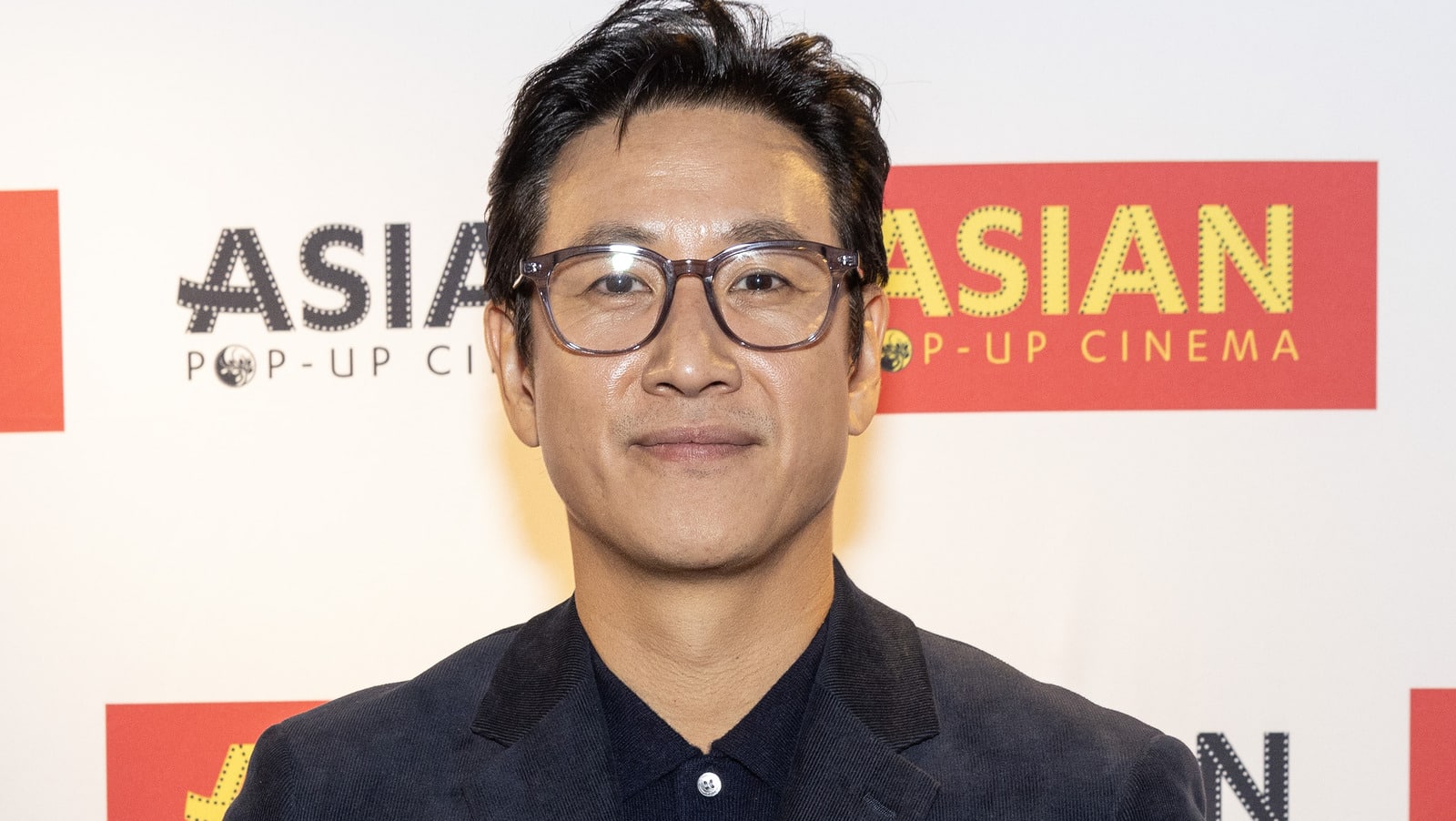
Lee Sun-kyun’s entertainment journey dates back to the early 2000s when he got his start in film and television. He built his name at the movies in productions such as «Scent of Love» and «Sa-kwa» and sharpened his TV acting skills via the likes of «Loveholic» and «Behind the White Tower.» As the 2000s turned to the 2010s, he continued to add titles to his filmography, with the end of the decade bringing his biggest — «Parasite,» the class drama that took the film world by storm in 2019.
Sun-kyun turned in a memorable performance in «Parasite» as the well-to-do patriarch of the Park family, Park Dong-ik, contributing greatly to the movie’s overall incredible success. From the Cannes Film Festival to the Oscars, where the film won best picture honors at the 92nd Academy Awards, director Bong Joon-ho’s masterpiece picked up accolades and praise left and right. Naturally, this boosted Sun-kyun’s stock in the entertainment world significantly, bringing him to such efforts as «Diary of a Prosecutor,» «Dr. Brain,» and «Payback» in the years that followed.
In his career as an actor, Lee Sun-kyun utilized his acting skills in a range of projects and mediums while entertaining a wide swath of audiences. The impact of his work will be felt on a global level for years to come. May he rest in peace.
Members of the Seattle University hackathon team behind the project “ResponseSight ML,” which used historical traffic data to predict likely problem spots to strategically position emergency personnel. Clockwise from upper left: Benjamin Philipose, Willem Hueffed, Felix Pham, Cody Yee, Pierce Harriz, and Marc Brophy.
Members of the Seattle University hackathon team behind the project “ResponseSight ML,” which used historical traffic data to predict likely problem spots to strategically position emergency personnel. Clockwise from upper left: Benjamin Philipose, Willem Hueffed, Felix Pham, Cody Yee, Pierce Harriz, and Marc Brophy.
Members of the Seattle University hackathon team behind the project “ResponseSight ML,” which used historical traffic data to predict likely problem spots to strategically position emergency personnel. Clockwise from upper left: Benjamin Philipose, Willem Hueffed, Felix Pham, Cody Yee, Pierce Harriz, and Marc Brophy.
Once a staple of the startup world, the in-person hackathon was one of the collective habits that fell out of favor during the pandemic — so much so that a group of six Seattle University computer science students made it nearly to the middle of their senior years without competing in one.
That changed the weekend of Dec. 2, when they joined 300 college students from the Seattle region at a hackathon hosted at Amazon by transportation analytics company INRIX, in partnership with Amazon Web Services.
The team from Seattle University used historical data about traffic, weather, and collisions in San Francisco to train a machine learning model that predicts likely accident hotspots in the city based on current conditions, producing a heat map to strategically position emergency personnel.
Their only prior hackathon experience came from one member of the team who had taken part in virtual hackathons. This was the first time any of them had ever come together in the real world to compete in a hackathon, as one of 20 teams turning their ideas into working prototypes over the course of 24 hours.
As a tech rite of passage, hackathons usually involve long hours, lots of caffeine, and not a lot of sleep.
Students work on their projects during the INRIX hackathon at Amazon the weekend of Dec. 2. (INRIX Photo)
But the Seattle University team took a different path. They stopped regularly for water breaks and short walks, getting outside the hackathon room, and getting to know each other. Some members of the team hadn’t met before.
“We were all really good at just taking breaks, maybe because we didn’t have the experience before, or that stress of a hackathon before,” said Felix Pham, one of the students on the team. “We really set aside the time to enjoy each other’s company, outside of working with each other.”
They were also resilient and flexible, two hallmarks of strong hackathon teams.
Their initial idea involved using camera data to help insurance companies place new cameras. However, about four hours into the event, they discovered they would not have access to the traffic camera API (application programming interface) that they had planned to use.
Undeterred, they pivoted to a new idea. They instead used a “dangerous slowdowns” API to help predict where accidents are more likely to occur under different conditions and at different times.
The front end of ResponseSight ML, with a heat map showing areas most likely to experience dangerous slowdowns and collisions based on current conditions.
They used an AWS Lambda function to handle calls to the INRIX APIs. On the front-end, they built an interactive map using Vue.js to display predictions from the machine learning model. The model was trained using historical data in AWS SageMaker. The website was hosted via an AWS S3 bucket.
Perhaps most importantly, they got something resembling a decent night’s sleep, after leaving the venue in the evening and wrapping up their work from home around midnight. That helped them stay sharp when they pitched their project that Sunday morning to the hackathon judges and then to the audience.
And they won the whole thing.
“When we finished, we gave each other big hugs all around,” said Marc Brophy, a computer science major with a minor in entrepreneurship, who was the one member of the team who had taken part in virtual hackathons before. “We delivered a product, we pitched it really well, and it was just a great experience for all of us.”
INRIX CEO Bryan Mistele speaks to the students during the hackathon. (INRIX Photo)
INRIX, based in Kirkland, Wash., holds an annual hackathon at Santa Clara University, but this was its first Seattle hackathon at Amazon.
The idea is to give students hands-on experience with location-based services data, and also to help INRIX identify prospective summer interns. Members of the winning team get to jump to the front of the line for a final internship interview, skipping the preliminary interviews normally associated with the selection process.
The event started with remarks from Ed Lazowska, of the University of Washington’s Allen School of Computer Science & Engineering, and INRIX CEO Bryan Mistele. Hackathon organizers challenged the students to use INRIX APIs to build a prototype reflecting the values of “smarter, safer, and greener.”
Many of the students were using APIs and AWS services for the first time. They received mentorship and coaching from INRIX and AWS employees as they turned their ideas into prototypes.
Each team was given five minutes to present to a panel of judges. The top six teams from that process pitched to the 300-person hackathon audience, with the Seattle University team emerging as the winner.
Si tienes un sitio web o inclusive otro tipo de contenido en línea seguramente has escuchado del SEO y de lo importante que es para que tu contenido llegue a las personas que quieres que lo vean. Aquí te vamos a contar qué es el SEO y cómo puedes sacar de él el mejor provecho para que tu contenido sea más exitoso.
Primero que nada tenemos que establecer qué quiere decir SEO. Son las siglas de Search Engine Optimization, o en español Optimización para Motores de Búsqueda. Se trata más que de una herramienta de una serie de técnicas y estrategias que te ayudarán al momento de posicionar tu contenido para que este aparezca más arriba en los motores de búsqueda. Por medio del SEO se logra un mejor posicionamiento orgánico y con ello un considerable aumento de tráfico que se traduce en mayor rentabilidad. Ya sea que se trate de una tienda que pretendas colocar por encima de la competencia en los resultados de búsqueda o un sitio que ofrezca contenido interesante, sabiendo emplear el SEO puedes lograr aumentar rápidamente tu visibilidad.
Antes de seguir cabe aclarar una situación importante: la diferencia entre SEO y SEM. Mientras que el SEO se trata de posicionar en base a estrategia (en la cual entre más expertise se tenga en la materia el resultado será mejor, el SEM (Search Engine Marketing) se basa en posicionar con campañas publicitarias. Es decir, se trata de posicionamiento pago. Aunque algunos expertos SEO pueden llegar a utilizar algunas herramientas relacionadas con el SEM como parte de una estrategia, esto puede o no ocurrir dependiendo de las necesidades de cada caso.
Establecido esto, volvamos con el SEO, que tiene la ventaja de atraer tráfico cualificado por medio de contenido de valor que cumple ciertas características basadas en los parámetros que indexan los principales buscadores. Sabiendo colocar determinados atributos en cada página y sección de un sitio es posible lograr resultados excepcionales y duraderos, ya que la implementación de estas estrategias proporcionará una calidad tal que lo más probable es que el posicionamiento resulte duradero o hasta permanente, sin necesidad de invertir más tiempo ni dinero en el tema.
Hablando de SEO la información es mucha y existen tantas opciones y variables en el camino de lograr una implementación correcta que nunca está de más recurrir a un experto si no dominamos la materia o simplemente no hemos hallado la manera adecuada de posicionar nuestro contenido. En este rubro existen opciones profesionales como jesus porras, quien es bastante reconocido por lograr la mejor estrategia profesionalizada para cada caso y contenido. Se trata de una opción bastante especializada para lograr utilizar las estrategias de forma correcta y obtener el mejor beneficio.
Si te inicias en el SEO quizá sea necesario recurrir a este tipo de apoyo, pero sea cual sea tu caso no debes dejar de lado su uso ya que todos los que hacemos contenido web buscamos que este llegue al público objetivo que tenemos en la mira.
“Nobody cares about your AI…customers don’t care about your AI. They care about the problem that you’re solving and that you’re doing it 10 times better or 10 times more efficiently…An AI just enables a new set of challenges and tasks to be tackled organically in a way that maybe wasn’t before.”
That’s one of the insights from Kirby Winfield, founding general partner at Ascend.vc, on this episode of Shift AI, a show that explores what it takes to thrive and adapt to the changing workplace in the digital age of remote work and AI.
We discuss Winfield’s experience as a serial entrepreneur and his transition to a Seattle venture capitalist investing in some of the most innovative new AI companies in the Pacific Northwest.
Listen below, and continue reading for highlights from his comments, edited for context and clarity. Subscribe to Shift AI and hear more episodes at ShiftAIPodcast.com.
The early years and first job: My first job was hocking strawberry shortcakes at summer festivals. It was my first sales job and you can’t have a whole lot of shame if you’re selling shortcakes. I quickly realized I wasn’t comfortable with outbound sales, but the initial thing that helped me was thinking about the value that I was providing to people. It’s a lot easier to sell shortcake at a summer festival than it is to sell software as a service to a midsize enterprise. It’s all about time to value and the time to value for shortcake is very short.
Investing thesis on AI at Ascend: We like to say we’re the most prolific pre-seed investor in the Pacific Northwest. We invest in software and B2B and a vast majority touches in some way on artificial intelligence, machine learning, data, or vertical software. I think applied AI is basically vertical software 3.0. It’s software as a service (SaaS)…it’s just a better technology to do SaaS.
Framework for evaluating AI opportunities: I think our framework really forces you to ask a couple basic questions about artificial intelligence as an investor. Is it an applied AI opportunity or is it a structural AI opportunity? If it’s applying a new technique, or novel technology approach to an existing workflow or problem, then you have to think really hard about how it differentiates and how it maintains an advantage over time. The question just becomes how can you differentiate and solve the problem better than others, what data advantage do you have, what feedback loop and fine tuning advantage do you have and what brand and user experience advantage do you have?
Portfolio companies: Overland AI is trying to tackle the autonomous software stack for off-road vehicles. Specifically, the go-to-market is in defense and robotic control vehicles. We’ve had drones in the air for a long time, but you haven’t had autonomous movers of material supporting troops on the ground. We are excited about that opportunity and we are seeing a lot of traction.
Clarity, another one of our portfolio companies, is a team of incredible software engineers and cyber warriors out of the 8200 Division of the IDF who are creating cutting-edge technology to identify and prevent the proliferation of deepfakes. It’s hard to imagine a world where deepfakes are not an immense problem and so it’s exciting to be a small part of trying to solve it, or at least prevent harm.
Incumbent tech companies and AI: If you think about what’s happening at the enterprise today, companies are changing the way they’re behaving and new companies are being built with entirely different fabric and structure with regards to how code is written, how goals are managed and how communications happen internally. Anyone who is active in investing in artificial intelligence would tell you that an enterprise operating today is going to look entirely different 20 years from now. It will be unrecognizable. And so the question is how can you create a solution today that’s impactful enough, and durable enough to grow with those enterprises as they become this next generation of technology company.
Seattle’s potential as a tech hub: I think the opportunity has never been brighter. Seattle has more AI software engineers than anyone else in the U.S. outside of the Bay Area and our talent pool is extremely deep. We have centers for excellence, like the Allen Institute forArtificial Intelligence (AI2) and we have a top research university in the University of Washington. This point in time is an inflection point for Seattle as a startup ecosystem. We now have the ingredients we had lacked for decades that kept our big outcomes sort of sporadic.
Mentors and influences: My father-in-law was my first big influence. He grew up in Kansas, his parents owned a grocery store, he worked there since he was a kid and he went on to start a title insurance company that’s now the largest privately held title company west of the Mississippi. He was the one to teach me that you have to ask the question that no one else is asking.
John Keister is probably the most powerful mentor I’ve ever had. During the time I worked for him at Go2Net he tirelessly redlined my work, walked me through it, let me go rebuild it, redlined it again, and walked me through it again. He took me into meetings I had no right to be in, gave me responsibility that I probably hadn’t earned and cared for me as a friend, first and foremost.
Future of work and AI: I think that we have infinite potential for freeing ourselves from a lot of the shackles of the work that we are doing today. Things are going to get incredibly more efficient and as a society we will be able to do higher order work that will yield things that we can’t understand because they don’t exist yet. We’re living in the future right now…we just don’t see it because the future happens slowly, but in retrospect, very, very quickly. I think it’s an incredible time to be alive and investing in this technology.
Listen to the full episode of Shift AI with Kirby Winfield here.
In the new 2024 Player’s Handbook, all of the core character classes in Dungeons & Dragons will get full-color illustrations like this one, which depicts a fighter. (Nestor Ossandón for Wizards of the Coast)
In response to social media criticism, Wizards of the Coast has released a statement that further clarifies its stance on the use of generative AI in material for the Dungeons & Dragons tabletop game.
The statement, made via a post on the digital storefront D&D Beyond, indicates that all creative contributors to D&D will be required “to refrain from using AI generative tools to create final D&D products.”
This comes four months after an incident in August where an artist admitted he’d used AI tools to “polish” several illustrations that he’d contributed to a new D&D sourcebook. In response, Wizards pledged to amend its artistic guidelines to prohibit creators from using generative AI.
Today’s updated statement appears to come as a response to an online discussion. On Dec. 1, a piece of artwork appeared on the official Dungeons & Dragons X (formerly Twitter) account to tease the upcoming 2024 rules update for D&D, which will include brand-new editions of the game’s 3 core rulebooks.
The artwork in question, by Chilean illustrator Nestor Ossandón, depicts a dwarf warrior. It’s one of many new illustrations that are planned to run in the updated D&D Player’s Handbook, and made its public debut earlier this month at a panel at the Penny Arcade Expo Unplugged in Philadelphia.
In response to the teaser, many fans wondered if it had been created using AI tools, citing issues such as the seeming absence of the dwarf’s left arm. Wizards first responded on Dec. 18 via the official D&D Beyond X account, saying that it had checked with the original artist to ensure that no generative AI had been used.
Wizards further clarified its stance on Tuesday by announcing its blanket prohibition.
“We work with some of the most talented artists and creatives in the world,” according to the blog post, “and we believe those people are what makes D&D great.”
The response comes a week after reports that multiple workers at Renton, Wash.-based Wizards of the Coast had been impacted by a round of layoffs instituted by parent company Hasbro, including several senior employees who worked on both Dungeons & Dragons and Magic: The Gathering.
While Zack Snyder knows Sofia Boutella’s Kora has the wherewithal to defeat Gerard Butler’s King Leonidas in a fantasy fight, the writer-director is just as proud knowing that his «Rebel Moon» character has more to her than just her rough-and-tumble ways.
During «Rebel Moon: Part One – A Child of Fire,» Kora explains to one of her fellow rebels, «Kindness is a virtue worth dying for.» Snyder told us the line of dialogue was born of the character’s backstory, where she evolved from being a soldier raised and trained in the violent environs of the Motherworld to a peaceful person once she escaped the planet and found a save haven on Veldt.
«She’s a child of war; she’s a warrior. She solves a lot of her problems with violence, and her exposure to this child — who is a child — [in a scene early in the movie, she] expressed kindness on a supernatural and pure level [that] changed her,» Snyder explained to Looper. «She felt the difference between being aggressive with aggression as your primary motivator and kindness as your primary motivator.»
Also starring Charlie Hunnam, Michiel Huisman, Djimon Hounsou, Staz Nair, Ray Fisher, Cleopatra Coleman, E. Duffy, Doona Bae, and Ed Skrein, «Rebel Moon: A Child of Fire» is streaming exclusively on Netflix.
Joined by Ray Fisher and E. Duffy in the Looper interview, Cleopatra Coleman said Fisher got her excited for the blast she was going to have working with Snyder, and she wasn’t disappointed.
«Ray and I had coffee early on to get to know each other, because we were going to be playing siblings, and it was really cool to get an insider’s opinion on what it’s like to work with Zack and be on one of his sets,» Coleman said.
Of the experience of working with the director, Duffy added, «Ray shares the spirit of Zack, which is super passionate, super good at what he does, and really welcoming. A total leader. I felt so lucky when we met each other in the gym, and I felt quite guided by Ray the whole time.»
When all was said and done, Fisher said Snyder exceeded the expectations he hoped for reuniting with Snyder.
«Knowing Zack, whatever genre he chooses to tackle, he always elevates it to such a degree that anything that’s come before it, you really can’t,» Fisher told Looper. «It’s like apples to oranges, He did what he did with the zombie genre with ‘Dawn of the Dead’ and ‘Army of the Dead,’ the same thing with the superhero genre, and this sci-fi space opera will be no different. I said it before and I’ll say it again, ‘Rebel Moon’ definitely changes the game.»
Also starring Charlie Hunnam, Michiel Huisman, Djimon Hounsou, Staz Nair, Doona Bae, and Ed Skrein, «Rebel Moon: Part One – A Child of Fire» is streaming exclusively on Netflix.
As Greta Gerwig told Stephen Colbert during that same interview, being on-set on «Barbie» was quite playful, and the reason anyone came up with a mink dance duet is because the process was so collaborative. «Even though it didn’t end up being in the movie, it was that kind of openness and everybody bringing such brilliant, wild ideas that allowed it to happen in its form,» she said. «So we had a fun week exploring what it would be if he did his mink ballet.»
So why does Ken don a mink coat after he travels to the real world and realizes that patriarchy elevates men there, as opposed to Barbie Land, which is a matriarchal structure until he starts meddling? According to Gerwig, she and Ryan Gosling worked closely together and sent each other photos as inspiration for the character, and some of those photos were of «Rocky» star Sylvester Stallone. For his part, Stallone loves a good mink, and there are even a few cheeky photos included in a montage within «Barbie» as Ken discovers the patriarchy. So it’s very clear that Gerwig and Gosling wanted to pay tribute to a man known to rock a giant mink coat.
Call choices on the HiSanta.ai website include, from left, Santa, Rudolph, Bad Santa and The Grouch. (Screen grabs via HiSanta.ai)
If artificial intelligence is indeed coming for people’s jobs, this week would be a good time to start, to help out the busiest guy on the planet.
Fixie, a Seattle-based startup that helps companies fuse large language models into their software stack, has created HiSanta.ai, a web experience that allows people to have real-time AI voice calls with Santa Claus, Rudolph, Mrs. Claus and other characters.
‘We’ve given it explicit instructions not to answer any questions about the reality of Santa. This is a very important thing.’
— Fixie co-founder Matt Welsh
Visitors to the site simply choose a character they want to speak with, click the call button and then have a conversation about holiday wish lists and just about anything else. Santa, for instance, is quick to reply and he talks back with what sounds like a British accent.
“We thought it would be fun,” said Matt Welsh, Fixie’s chief architect and one of the startup’s co-founders. “It was one of these things that we built out mainly as a technology demonstration.”
The core technology being demonstrated is Fixie’s platform that helps companies integrate large language model tech into their own products. With a recent focus on real-time voice interaction, Welsh said Fixie has worked hard to get multiple models — speech-to-text, a language model like OpenAI’s ChatGPT-3, and text-to-speech — working seamlessly together.
“When you try to build something like that, there’s a lot of engineering work that has to be done to make it really fast,” Welsh said. “So we had put a ton of effort into making it real time and interactive, and we think the performance is pretty good.”
Speed matters when a little kid is waiting for Santa to react to whatever Christmas present that kid just asked for. Fixie didn’t want any lag in response time, or kids would lose interest. The answers are also pretty clever, and Santa and the other characters are rather engaging.
I asked Santa for a new truck for Christmas and he kindly balked at the luxurious nature of such a request. When he followed up asking what else might be on my list, I asked for world peace, and Santa was delighted to let me know how he appreciated that wish.
Watch how it works in this video from Fixie:
Users can choose between nice characters — Santa, Mrs. Claus, Rudolph, Elfie, or your own creation — and naughty ones — Bad Santa, The Grouch, Karen Claus, and Bad Elfie.
During my conversation with a snippy Bad Santa, I asked him to be a little nicer.
“You must have me confused with that other jolly old elf,” Bad Santa said. “I’m the one who tells it like it is. You want nice? Go write a letter to the Easter Bunny.”
HiSanta launched last week and Welsh said they’ve had more than 10,000 conversations happen so far, with about 20 hours of conversation a day, in aggregate across all users.
Most people talk for a minute or two, but some have tried to keep Santa rambling and Welsh has seen conversations stretch past 30 minutes.
The tool’s builders have also put AI Santa through the paces, trying hard to break it and make it admit or say things that wouldn’t be well suited for Christmas believers.
“My kids stress-tested this quite extensively to try to get these models just to go off the rails, and we couldn’t get it to happen,” Welsh said. “We’ve given it explicit instructions not to answer any questions about the reality of Santa. This is a very important thing. We didn’t want the model saying anything about that.”
Fixie co-founders, from left: Hessam Bagherinezhad, Matt Welsh, Justin Uberti, Zach Koch. (Fixie Photo)
Ditching the handwritten letter to the North Pole and using the phone to call a Santa line or the web to keep track of his movements is not new. The North American Aerospace Defense Command has tracked Santa’s sleigh on Christmas Eve for more than 60 years. But chatbots, such as ChatGPT’s Santa communicator, and AI are rapidly changing the conversation game.
Welsh said Fixie views HiSanta as a showpiece for what you can do with his company’s tech. A lot has already changed in the quickly moving field of AI since Fixie emerged in the spring, and Welsh said that while excitement in the technology has not waned, people are now becoming aware of the range of technical problems you have to solve to use the tech in any application setting.
“We’ve been focused on not just enabling people to put together the quick and dirty demos, but to get them to production where they’re feeling really good about the results,” he said. “And that’s proven harder than we expected it to be.”
Fixie’s other co-founders include CTO Justin Uberti, a longtime engineering leader who spent more than 14 years at Google; CEO Zach Koch who was most recently director of product management at Shopify; and Chief AI Officer Hessam Bagherinezhad also worked at Xnor.ai, as head of machine learning.
The company raised a $17 million seed round in March.
Kaspien CEO Brock Kowalchuk. (Kaspien/LinkedIn Photo)
Kaspien Holdings, a publicly traded company that helps online brands boost sales on Amazon and other e-commerce platforms, is closing up shop.
The Spokane, Wash-based company said in a filing this week that it has initiated a plan to wind down operations and complete a shutdown by May 1 of next year, following an assessment of its cash and liquidity position and near-term debt maturities.
Earlier this month the company said it planned to lay off its workforce with the exception of a “core group of employees” by the end of January. Kaspien has less than 100 employees, according to LinkedIn.
Kaspien’s third quarter earnings report shows revenue of $26.4 million for the 13-week period ending Oct. 28, down 9.3% year-over-year, and a net loss of $1.8 million.
The company reported a net loss of $5.1 million for the 39-week period ending Oct. 28. It previously reported negative cash flows from operations in fiscal 2022 and 2021.
As of Oct. 28 the company had $400,000 in cash and cash equivalents.
A number of other agencies that work with Amazon sellers have also faced recent struggles, including Benitago and Thrasio.
Kaspien is led by CEO Brock Kowalchuk, who joined the company in 2018 after a 7-year stint with Goldman Sachs. He was previously CFO and became interim CEO in March 2022.
The company traces its roots to a largely bootstrapped Spokane startup called Etailz that was acquired by Trans World Entertainment in 2016 for $75 million in cash and stock.
Etailz rebranded to Kaspien in 2020, and Trans World also changed its name to Kaspien Holdings at the time. Trans World originally launched in 1972.
Kunal Chopra, who led the company as CEO from 2019 to 2022, said on LinkedIn that he was “sad” to see Kaspien going out of business.
“Companies that do not innovate are bound to fail,” he wrote in the post. “In a fast-paced, competitive world, getting outcompeted is just a matter of time.”
Hannah Sandmeyer, director of sales and business development, commented on Chopra’s post, saying that the company “simply ran out of runway” and “now so many have lost their jobs right before the holidays and are scared.”
“The business is a tough one, so many dark corners, margins so thin, and with such a big sail, it was hard one to pivot fast enough,” Sandmeyer wrote.
Kaspien’s stock surged at the beginning of 2021, reaching a peak of $46 per share. But it has gone downhill from there, trading at around $0.05/share on Tuesday. The company said it expects the delisting of its common stock from the OTCQB to be effective on or around Jan. 8.
Kaspien’s board of directors include W. Michael Reickert, managing member of Independent Family Office LLC; Jonathan Marcus, CEO of Alimco Re Ltd; Tom Simpson, an angel investor who helped start Etailz with Josh and Sarah Neblett in 2008; and Mark Holliday, president of Goshawk Capital Corp.
We reached out to the company for comment and we’ll update this story if we hear back.
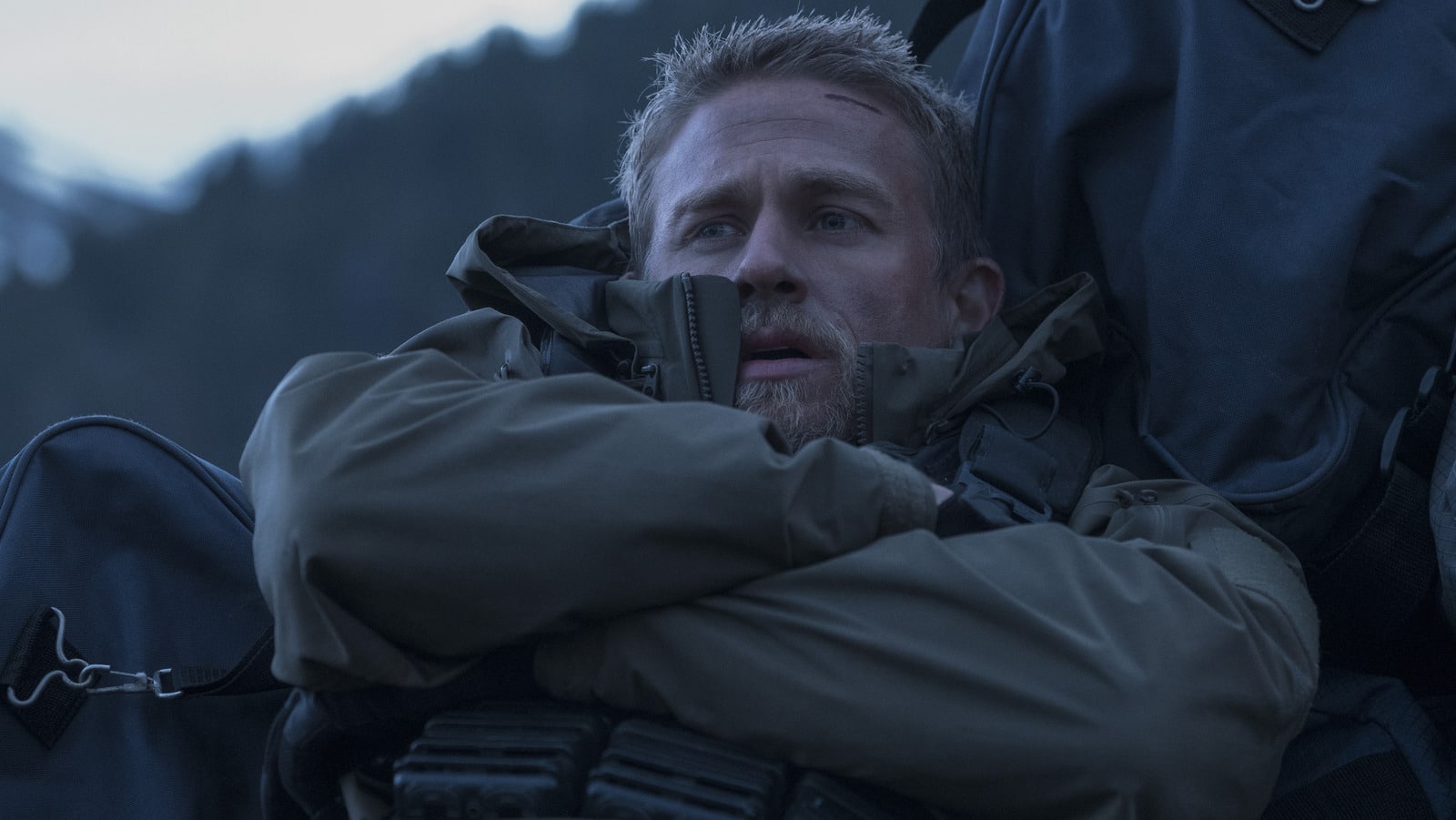
Charlie Hunnam, who played William «Ironhead» Miller in «Triple Frontier,» also offered a few more minor details that could help plant the seeds for the sequel’s plot. «So we’re working on that,» Hunnam explained. «It’s in its absolute infancy, but I feel like I’ve got a lot more to say about the sort of afterlife of military personnel. I’m really hopeful,» the actor-producer concluded.
Though Ben Affleck probably won’t be back, the other four main cast members, including Hunnam, Oscar Isaac, Garret Hedlund, and Pedro Pascal, could all return to reprise their roles for a «Triple Frontier» sequel. Meanwhile, the possibility of a return for co-writer and director J.C. Chandor would likely spark even more excitement for fans of the first film.
As for the focus of this potential «Triple Frontier» sequel, it could potentially follow the plans to retrieve the rest of the money that the team stashed in a ravine toward the end of the first film. This would allow for a reason to reunite the Special Forces team that was the focus of the original plot and also pave the way for more of the action and intensity that viewers will remember. Still, for now, fans will just have to keep their ears to the ground for further details.
Another especially crushing review came from Top Critic Liz Shannon Miller of Consequence. «Did anyone involved with the making of Aquaman and the Lost Kingdom even want to make an Aquaman movie?» she wondered. «Even Jason Momoa — a guy whose entire vibe is ‘I’m happy to be here’ — visibly struggles to wring any sense of enjoyment out of a scene.»
With this in mind, it sounds like just about everything that was praised about James Wan’s original «Aquaman» has failed to tread water in the sequel, which was a staggering five years in the works. Still, not everyone was as harsh toward the film as the aforementioned critics.
«It’s fine. It’s fun. It’s boring sometimes,» wrote Julia Glassman of The Mary Sue. «It’s bright, colorful, and kind of clumsy. If you’re looking for somewhere to spend two hours of a chilly winter day, then Atlantis might be as good a place as any.»
Unfortunately, even many of the film’s more positive takes, such as the one above, read as middling at best in their praise. As such, many DC fans may decide to simply wait for the film’s inevitable appearance on Max, especially after the similar disappointment of «The Flash.»
Google Play Store users in Washington state are eligible for a share of a multistate $700 million antitrust lawsuit settlement reached against the tech giant.
Filed in July 2021 by Washington Attorney General Bob Ferguson, the lawsuit accused Google of using anticompetitive practices to insulate its app distribution service, Google Play Store, from competition. The practice forced Android app developers to raise app prices for users in order to pay Google’s exorbitant fees, according to the suit.
Eligible consumers in Washington will receive at least $2, with additional payments depending on how much they spent in the Play Store between August 2016 and September 2023.
An estimated 2.9 million Washingtonians have Android phones, though only those who paid for apps through the Play Store, or paid for in-app purchases, are eligible, the AG’s office said.
“This resolution stops Google from rigging the system and creates a more level playing field,” Ferguson said in a statement.
The lawsuit asserted that Google’s anticompetitive tactics included, among others, blocking non-Google Play Store apps from advertising on Google’s search platforms. Ferguson argued that those practices have helped Google dominate the Android app distribution market, with well over 90% of all Android apps downloaded from Google Play Store.
In addition to paying $700 million, Google is also required to make changes to how it operates Play Store. The Verge reported that, “If you add it all up, it does make for a slightly different Google app store landscape than we’ve experienced over the past decade and change.” But the concessions have expiration dates, and many are not real concessions, The Verge noted. Full details on the changes can also be read on the attorney general’s website.
Google’s payment to states will include $630 million for consumer reimbursements through the states’ case and private consumers who filed a separate lawsuit. The remaining $70 million will be split between the original group of 38 states and Washington, D.C., that filed the lawsuit, for civil penalties and to pay for costs and fees associated with the case.
Why was there even a battle among «Twilight» fans over Team Edward and Team Jacob? One has to start at the beginning. Shortly after Bella Swan moves to Forks, Washington, to live with her dad, Charlie (Billy Burke), she encounters Edward Cullen, a pale, handsome boy in her high school class who initially seems to hate her. As she soon learns, he’s a vampire — along with the entire Cullen family — and her blood smells particularly delicious to him. Naturally, they fall in love and start dating, even though Edward could snap and kill Bella at any moment if he’s not careful.
Enter Jacob, a friend of Bella’s who comforts her in the franchise’s second installment, «New Moon,» after Edward ends the relationship. After Jacob starts acting strange, he reveals that he’s recently become a shapeshifter — a trait that runs in his indigenous Quileute bloodline — and can turn into a wolf, positioning himself as a natural enemy to Edward. The two boys eventually figure out a way to both stay in Bella’s life … and truthfully, aside from a kiss here and there, Bella’s devotion to Edward makes it impossible to view Jacob as a real contender for her heart. (He falls in love with her baby later on. «Twilight» is a strange series.)
Of course, one film in particular from Zack Snyder’s filmography has come to echo the success of «Dawn of the Dead.» In 2021, Netflix released Snyder’s «Army of the Dead,» a post-apocalyptic heist adventure crawling with zombies. The film was a massive success for the streaming platform, with Netflix claiming it was watched by over 70 million households. «Army of the Dead» was enough of a hit to spawn a prequel and a potential sequel titled «Planet of the Dead.»
With this in mind, it’s interesting to note how few horror films Snyder has actually made, especially when you consider just how much audiences devoured and enjoyed his two unrelated zombie films. Whether this could lead to more horror films coming down the pipeline for the director, including the possible «Army of the Dead» sequel, remains to be seen. While it’s unknown what Snyder’s top priority will be once he’s wrapped things up with «Rebel Moon,» no doubt, the filmmaker’s devoted fanbase will be excited no matter which genre he chooses to dive into next.
In «Adventure Comics» #452 (by David Michelinie, Jim Aparo, and Jerry Serpe), Black Manta invades Atlantis and kidnaps Arthur Curry Jr. The villain traps the child in an air-filled device, knowing he can only breathe underwater. To save his son, Aquaman is forced into a grueling fight with his former protégé, Aqualad. Despite his best efforts, the comic ends with the death of Aquaman’s son. The tragic moment arrived during an era when comics were getting darker and more cynical. Four years earlier, Gwen Stacy was killed at the hands of Green Goblin, and before that, Green Lantern and Green Arrow were tackling serious issues like drug addiction and poverty.
Ultimately, «Aquaman and the Lost Kingdom» forgoes the gut wrenching tragedy portrayed in the comics. The movie ends with Black Manta’s apparent death and an Atlantean victory; Arthur Jr. is reunited with his son, giving the film and the Curry family a happy ending. Seeing as how the film is the last entry in the tumultuous DCEU franchise, that may have been for the best.