It takes neither Jedi abilities nor millions of dollars to make Leia’s hologram from the original «Star Wars,» but there are other methods of effectively bringing this illusion to life besides projecting onto fog for fans who are down for a good challenge.
Amateur scientist Steven Dufresne (RimstarOrg) used the Pepper’s ghost technique. First, he created a four-sided pyramid out of overhead transparency sheets, carefully measuring, cutting, and taping the sides together, leaving a small square space on the top so that it could sit upside down. Then, using the free software Blender, he created an animation of Leia from four different viewpoints, which can be downloaded from his website, rimstar.org. With the animation looping, he laid his computer monitor down face up so that the pyramid could sit in the middle and display it.
ASMR YouTuber Josh Hill (JHR Reviews) presented a more low-tech option that requires some crafty work. This setup involves a small piece of scrap wood with two dowels screwed in on either side and a notch cut out that allows for a thin piece of glass to sit at a specific angle. Simply queue up the scene on a phone and place it on top of the dowels and glass, off of which the clip will reflect, to achieve the hologram effect.
Blue Origin’s New Shepard booster touches down at the end of an uncrewed flight. (Blue Origin via YouTube)
Jeff Bezos’ Blue Origin space venture today sent its New Shepard rocket ship on its first suborbital trip to space in 15 months — and although no people were aboard the craft this time, the research mission boosted confidence that crewed flights will resume in the new year.
“Following a thorough review of today’s mission, we look forward to flying our next crewed flight soon,” launch commentator Erika Wagner said as she wrapped up Blue Origin’s streaming-video coverage.
Her fellow commentator, Eddie Seyffert, said everything looked good during the 10-minute-long flight. “I would call this the best day at work for me,” he said.
The flight from Blue Origin’s Launch Site One in West Texas followed the profile that the New Shepard program has used for 23 previous missions over the past nine years — including six crewed flights. Liftoff came at 10:42 a.m. CT (8:42 a.m. PT), and the rocket booster sent the capsule toward the 100-kilometer (62-mile) line that marks the internationally accepted space boundary.
Capsule separation took place a little more than two minutes after launch. The reusable booster landed itself on a pad not far from where it was launched. Meanwhile, New Shepard’s capsule rose to a height of 65.8 miles (106 kilometers) above ground level, and then descended to its own parachute-assisted landing in the Texas desert.
This mission, known as NS24, carried 33 science payloads in the crew capsule, providing a few minutes of zero gravity to study the effects on samples and hardware. It was essentially a do-over for a flight in September 2022 that ended prematurely due to a malfunction of the New Shepard booster’s hydrogen-fueled rocket engine.
As was the case today, no crew members were aboard New Shepard for that NS23 mission. No injuries were reported on the ground, and New Shepard’s escape system worked as designed to push the capsule away from the booster for a safe landing. Nevertheless, the anomaly led to the suspension of Blue Origin launches and a yearlong investigation overseen by the Federal Aviation Administration.
This September, the FAA closed the investigation and required Blue Origin to take 21 corrective actions — including a redesign of the booster’s engine and nozzle as well as changes in procedures. Blue Origin began making the fixes even before the FAA issued the investigation’s findings, setting the stage for NS24.
An initial launch attempt on Monday was scrubbed due to a ground system issue that needed troubleshooting. In contrast, no major issues were reported today — although a couple of holds added a few minutes to the countdown.
More than half of the science payloads that flew on NS24 were developed with support from NASA. Others were built by schools, universities and other education-oriented organizations. Among the reflown NS23 payloads were an experiment from Honeybee Robotics, a subsidiary of Blue Origin, which studied the strength of planetary soils under different gravity conditions; and a fuel cell that’s being tested by Infinity Fuel Cells for space power applications.
The New Shepard capsule also carried 38,000 postcards that have been submitted — on paper and online — by students through a program organized by the Club for the Future, Blue Origin’s educational nonprofit group.
“A special thank you to all of our customers who flew important science today and the students who contributed postcards to advance our future of living and working in space for the benefit of Earth,” Phil Joyce, senior vice president for New Shepard, said in a news release. “Demand for New Shepard flights continues to grow and we’re looking forward to increasing our flight cadence in 2024.”
Blue Origin didn’t immediately announce a schedule for future crewed flights, but the company has been making extensive preparations to resume flying people — and it’s seeking to attract new customers. For example, an elevator was recently added to New Shepard’s launch tower, supplementing seven flights of stairs.
“We added the elevator to make New Shepard more accessible to people with disabilities, and more people in general,” Blue Origin’s Wagner explained. Seyffert said the change was the result of discussions conducted with New Hawking, a business resource group that deals with disability issues (and apparently takes its name from Stephen Hawking, the wheelchair-using physicist who died in 2018).
Since mid-2021, 31 people — including notables such as Star Trek actor William Shatner and Jeff Bezos himself — have taken suborbital space trips without incident. Bezos’ fiancée, Lauren Sanchez, has said that she hopes to lead an all-woman space mission early next year.
New Shepard’s return to flight comes amid an organizational handoff at Blue Origin, with veteran aerospace executive Bob Smith passing the CEO reins to former Amazon executive Dave Limp. Bezos has said Limp will help him accelerate Blue Origin’s progress in the year ahead — especially on development of the company’s orbital-class New Glenn rocket.
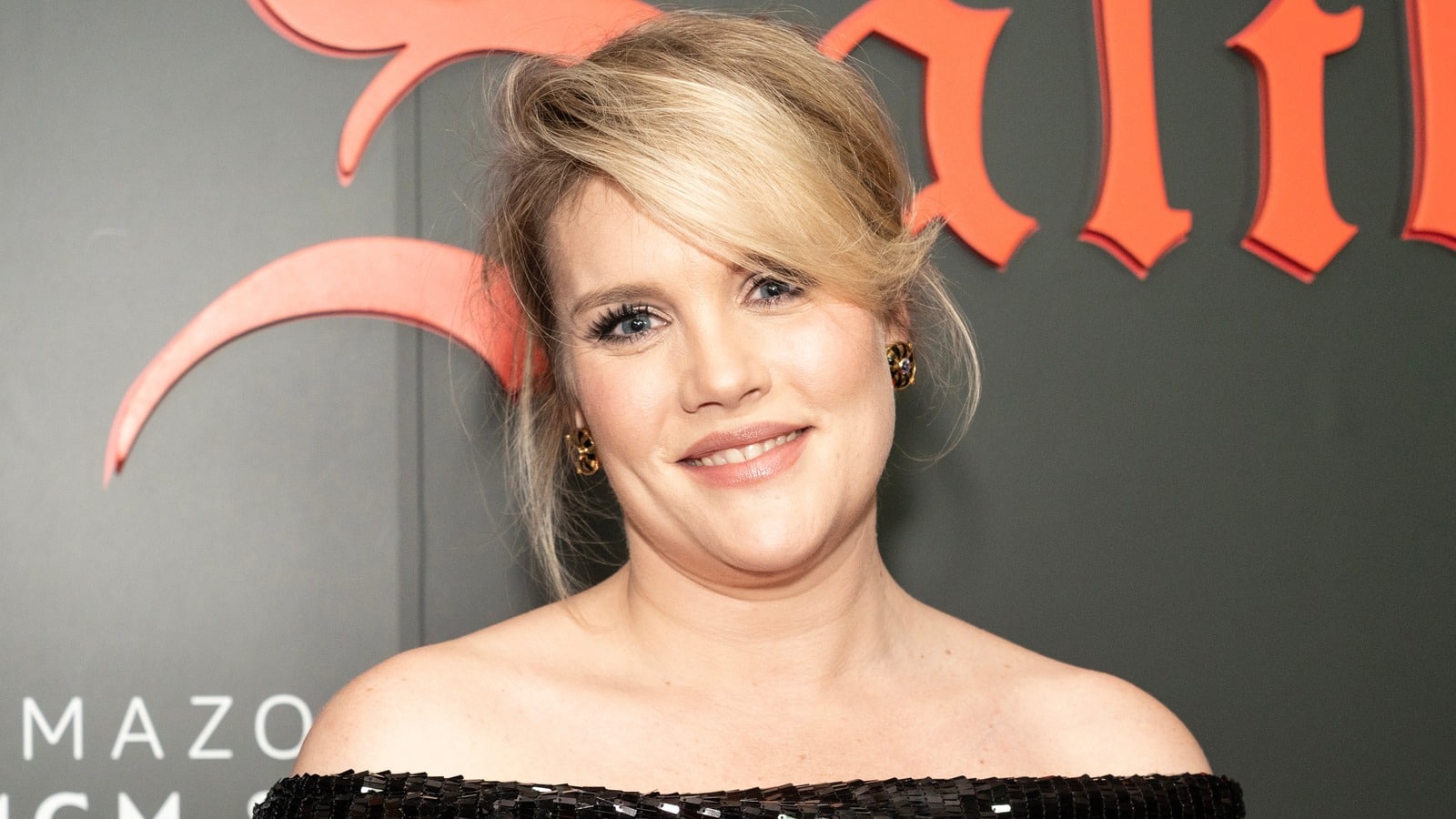
DC fans will likely recall the plan that the «Saltburn» and «Promising Young Woman» director is referring to. For years, there have been rumblings that we might see a «Justice League Dark» film or television series. Like DC’s central Justice League, the occult/supernatural-based team features multiple characters, like Zatanna and John Constantine, working together.
«I was definitely interested,» Emerald Fennell explained on «Happy Sad Confused.» «I was like, ‘I don’t know a huge [amount] about the whole superhero genre; it’s not a genre I naturally gravitate towards, so I’d love to know how does one make [a superhero film] like that,» she said, pointing out that she was largely an outsider to the world of comic books.
For fans who are unaware, Zatanna is a long-running character in DC Comics. She has innate magical and cosmic abilities that allow her to teleport, heal herself and others, and employ a whole host of other powers. She invokes these abilities by speaking backward to hone her concentration, a strategy that she learned from her father.
«I did write it, but it was complicated; you know, the regimes changed; it’s the classic studio stuff,» Fennell explained. «J.J. is incredible, his team is incredible, and I wrote in the end a script that was reasonably demented — in a good way, I think. But in the end, the whole universe got changed. And that’s fine; It was really fun to do in the end,» she concluded.
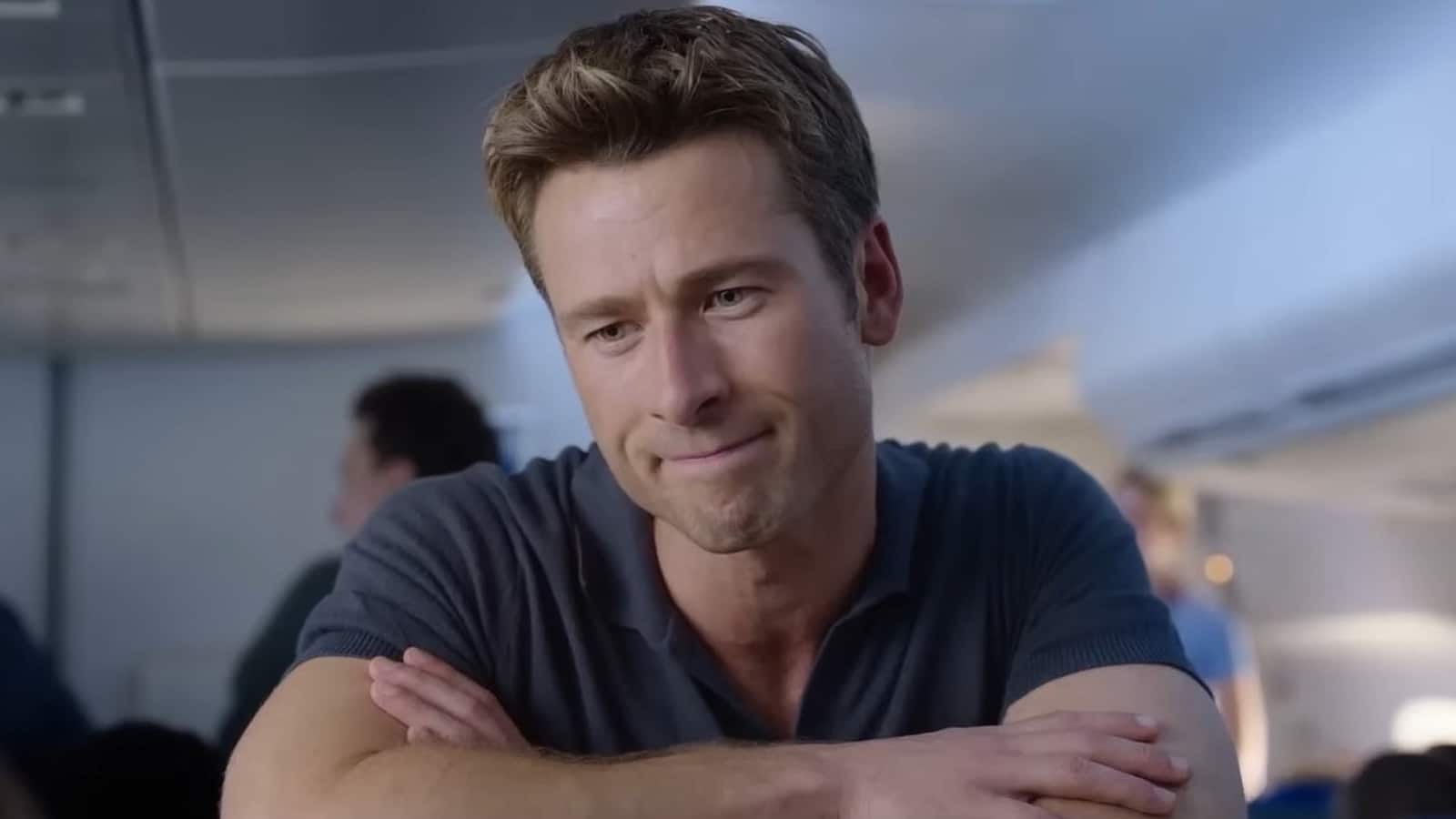
Filming nude scenes can be awkward and embarrassing. For Glen Powell, it was almost deadly. When the actor stripped down to his birthday suit in «Anyone But You,» the actor was a little overzealous — so much so that he almost fell off the cliff. «Taking your clothes off on the side of a cliff in a hurry is not safe either,» Powell told Variety. «Nobody talks about that safety issue on set, where I almost died falling off a cliff taking my pants off too fast. But it’s a really fun scene, so it was all worth it.»
The scene was just as harrowing for Sydney Sweeney, who endured a nasty bite from the huntsman spider while filming. Thanks to her costar, she received proper medical attention. «Well, the spider actually bit me in the middle of this scene but nobody called cut because they thought I was just making a very dramatic, interesting choice in this scene, and Glen was the only one who finally caught on,» the actress told Hoda Kotb in an appearance on TODAY.
Rest assured, Powell and Sweeney’s death-defying rom-com antics proved their mettle as actors. Powell will be seen next in «Twisters,» and Sweeney is making her Marvel debut in the upcoming «Madame Web.»
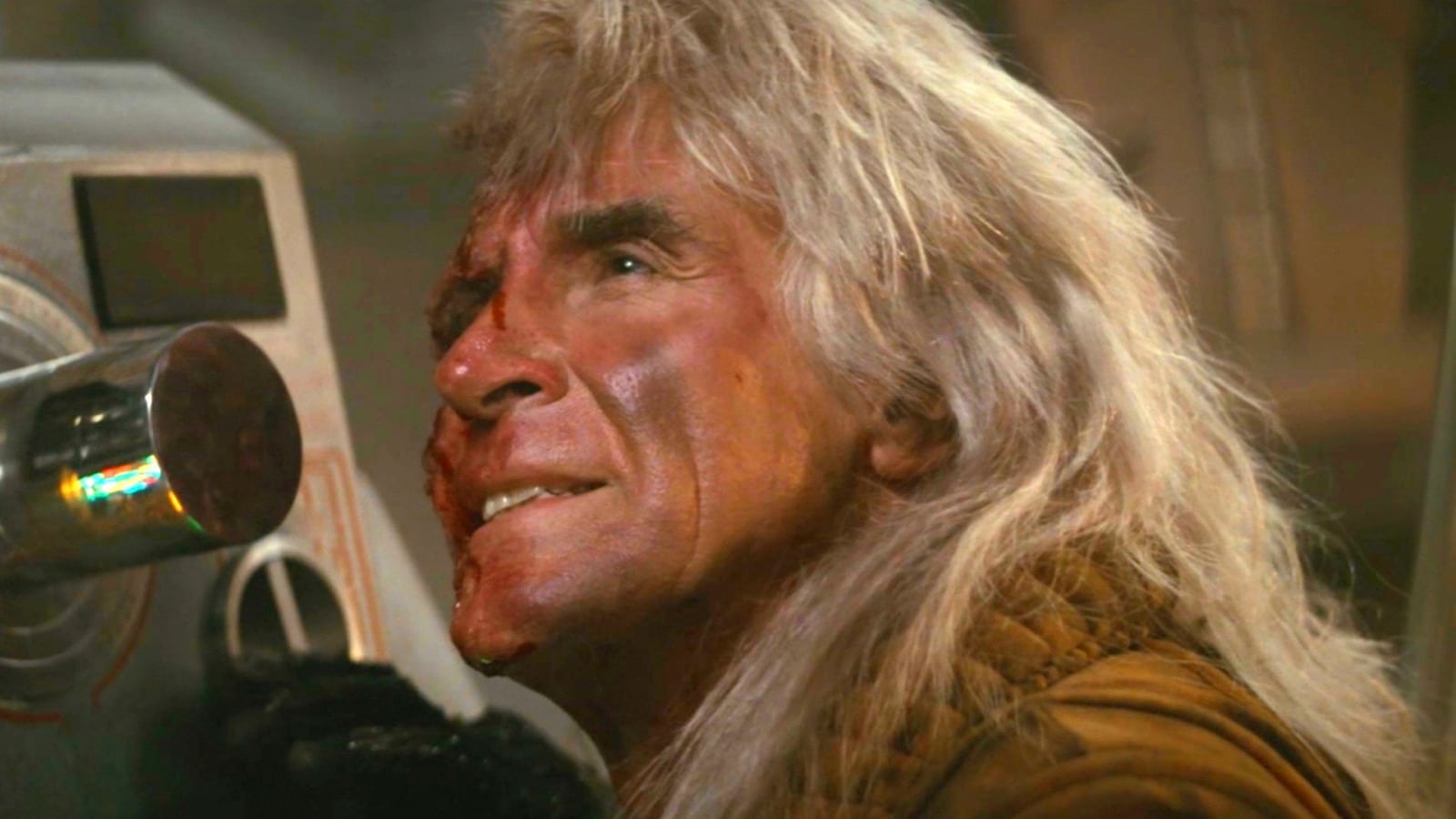
Like Captain Ahab, Khan is such a larger-than-life character that he has stood the test of time. «Star Trek: Strange New Worlds» focuses on the repercussions of Khan’s effect on the world through the eyes of his descendant, La’an Noonien Singh (Christina Chong). Khan’s devotion to genetically augmenting the human race defines him, and he never changes his mind. Similarly, Ahab is as vitriolic as he was when he first started hunting the whale. He fails to kill Moby-Dick and watches it destroy his ship and most of his men. Even so, he uses his final moments to curse the whale. He understands his fate, but wouldn’t change anything. This is also the place that we leave Khan at the end of «Star Trek II: The Wrath of Khan.»
After sustaining injuries on his ship, he shows no remorse for what he did. His actions directly cause Spock’s (Leonard Nimoy) death and reaffirm he was only ever interested in world domination. He dies, cursing Kirk while he himself is the one who caused his downfall. He dies as he lived, full of hate. The tragedy of it all is that he could have turned back at any moment. But like Ahab, his fate was to be drowned by his own revenge.
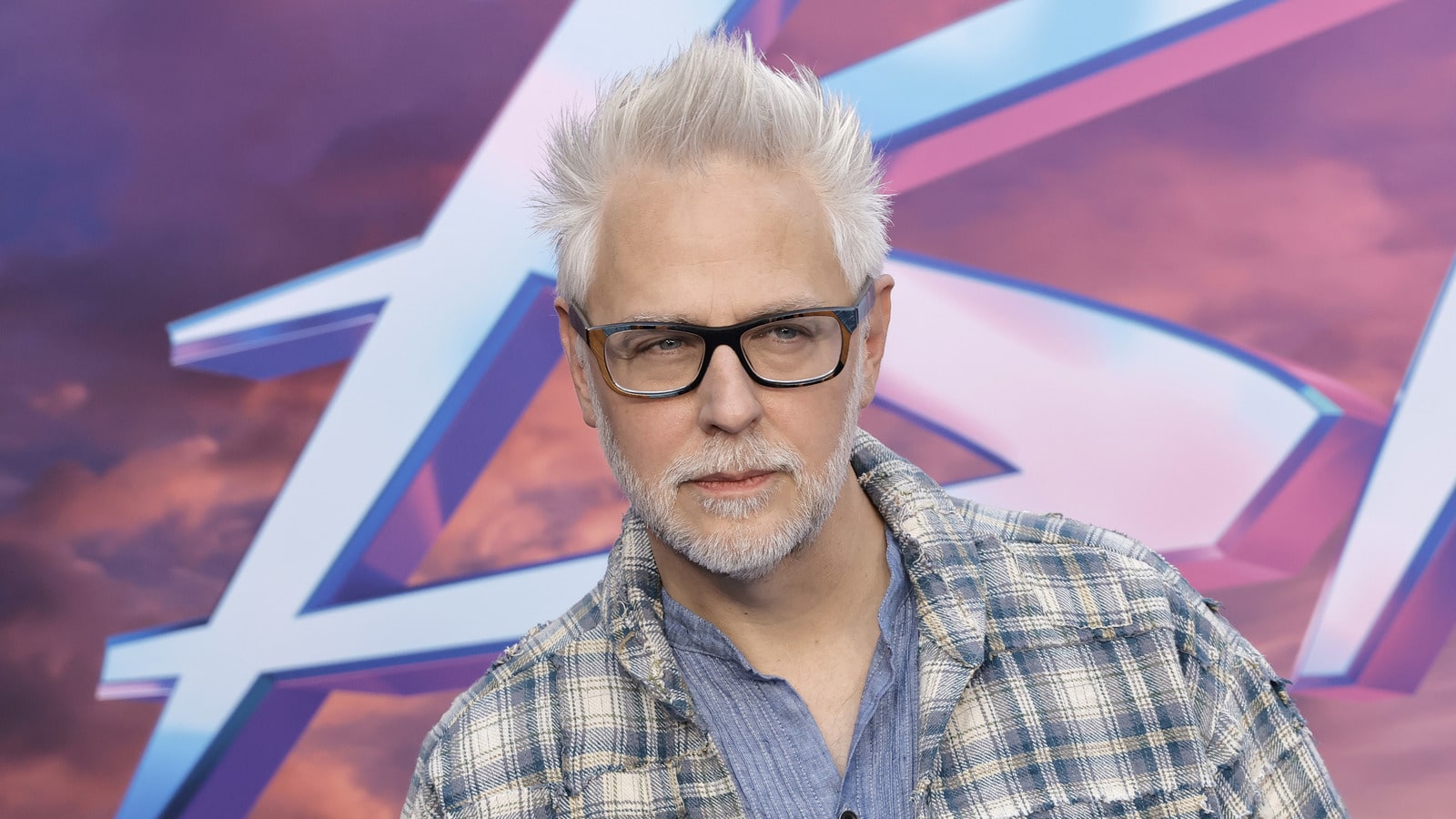
For evidence, we need to look no further than the post that James Gunn was responding to concerning the design of the suit in «Superman: Legacy.» «Trunks belong to a Superman costume like the S on the chest!» wrote @superfavocosplay. «Also, the emblem on the cape. If there will [not be] a Superman costume, then don’t make a Superman movie. Create a new superhero if you don’t like the real Superman design.»
In general, Gunn himself was also quick to point out how much conjecture he’s seen from those on both passionate sides of this debate after another fan asked him not to put the trunks on the Man of Steel in «Superman: Legacy.» «You wouldn’t believe the amount of pleading and upset I get based around trunks or no trunks,» he wrote. «To me, not the most important aspect of Superman or his story. But so many strong feelings!»
Though we still have very few details about the upcoming DCU film outside of casting and characters, these answers do at least allow both sides of the debate to maintain hope that they could get the suit design they want. In the meantime, we’ll just have to endure a few more months of folks on the internet arguing about an alien in his underwear.
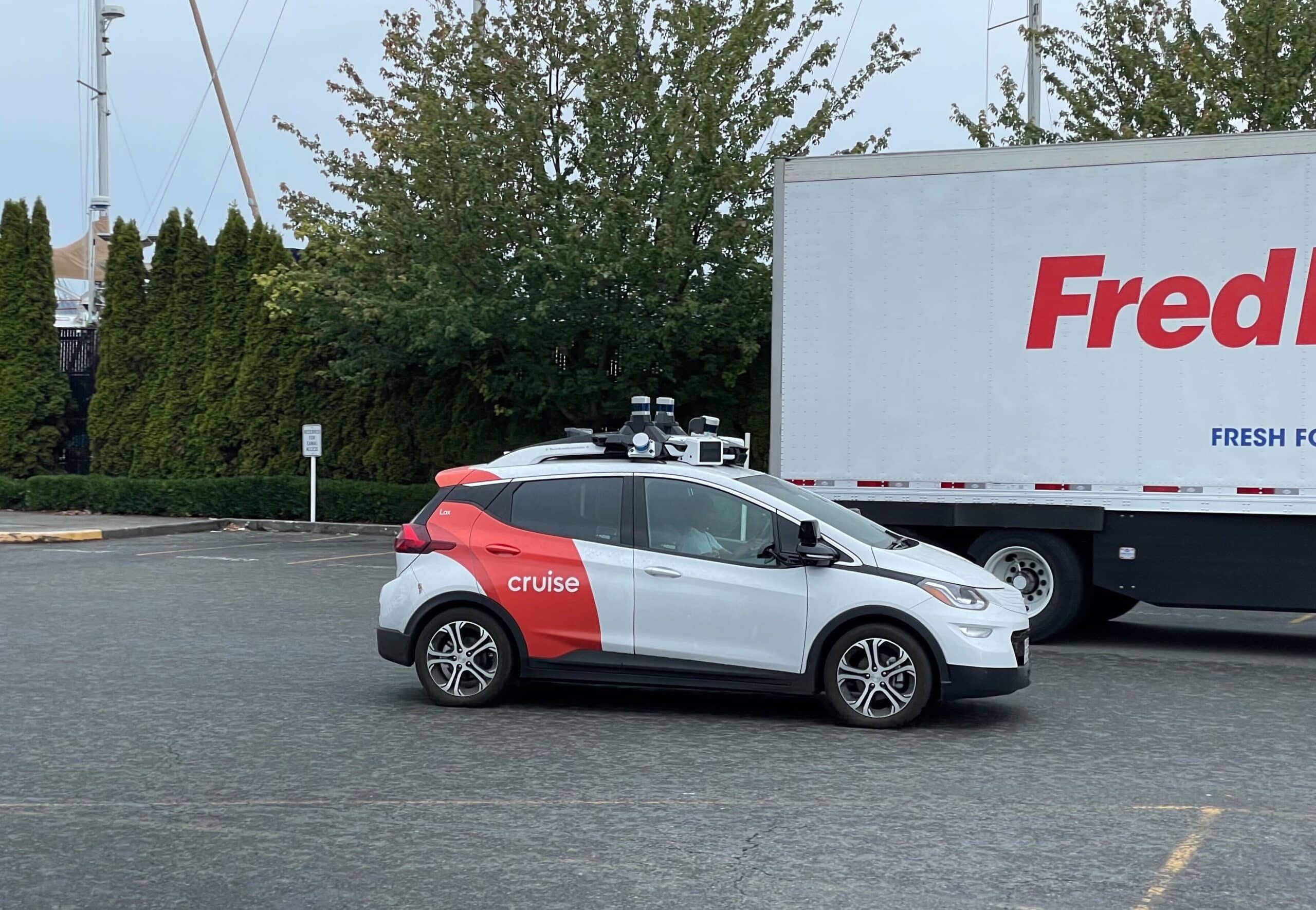
A Cruise vehicle at the Fred Meyer store in Seattle’s Ballard neighborhood after using an EV charging station at the grocery store. (GeekWire Photo / Curt Milton)
Self-driving technology company Cruise is laying off 67 employees at its Bellevue, Wash., engineering center, part of widespread cuts at the GM-backed firm.
Cruise on Monday submitted a WARN notification to Washington’s Employment Security Department (ESD), stating that 67 people were laid off at the Bellevue office, which opened in 2019. The company has around 300 employees in the Seattle area, according to LinkedIn.
Cruise is laying off 24% of its workforce, or about 900 employees, across the company, as it deals with the fallout of an incident in October in which a pedestrian was run over by one of its self-driving cars. The California DMV suspended the company’s self-driving permits after the incident.
Since then, the company’s CEO and co-founder Kyle Vogt resigned, and other executives were dismissed by the board following a safety review.
The company was already dealing with safety issues before the Oct. 2 incident, including two collisions with other vehicles in San Francisco, where it had permission to operate cars without human drivers.
Cruise began testing its cars in Seattle — with human drivers — in August, joining other self-driving vehicle companies currently testing in Seattle, including Zoox and NVIDIA, both of which received permits from the Seattle Department of Transportation under its Autonomous Vehicle Testing Permit program. SDOT’s permit requires a human driver in the vehicle who is monitoring and ready to take control if the need arises.
Cruise was founded in 2013 and has raised a total of $10 billion. Microsoft was part of a $2 billion investment in Cruise in 2019, joining GM and Honda and other key investors, including Walmart, and T. Rowe Price.
Update: Cruise plans to shut down the Bellevue office, at 3180 139th Ave SE, on Dec. 22. The closure was a previously planned decision independent from the broader layoffs announced last week, and was made due to low office usage, the company confirmed to GeekWire.
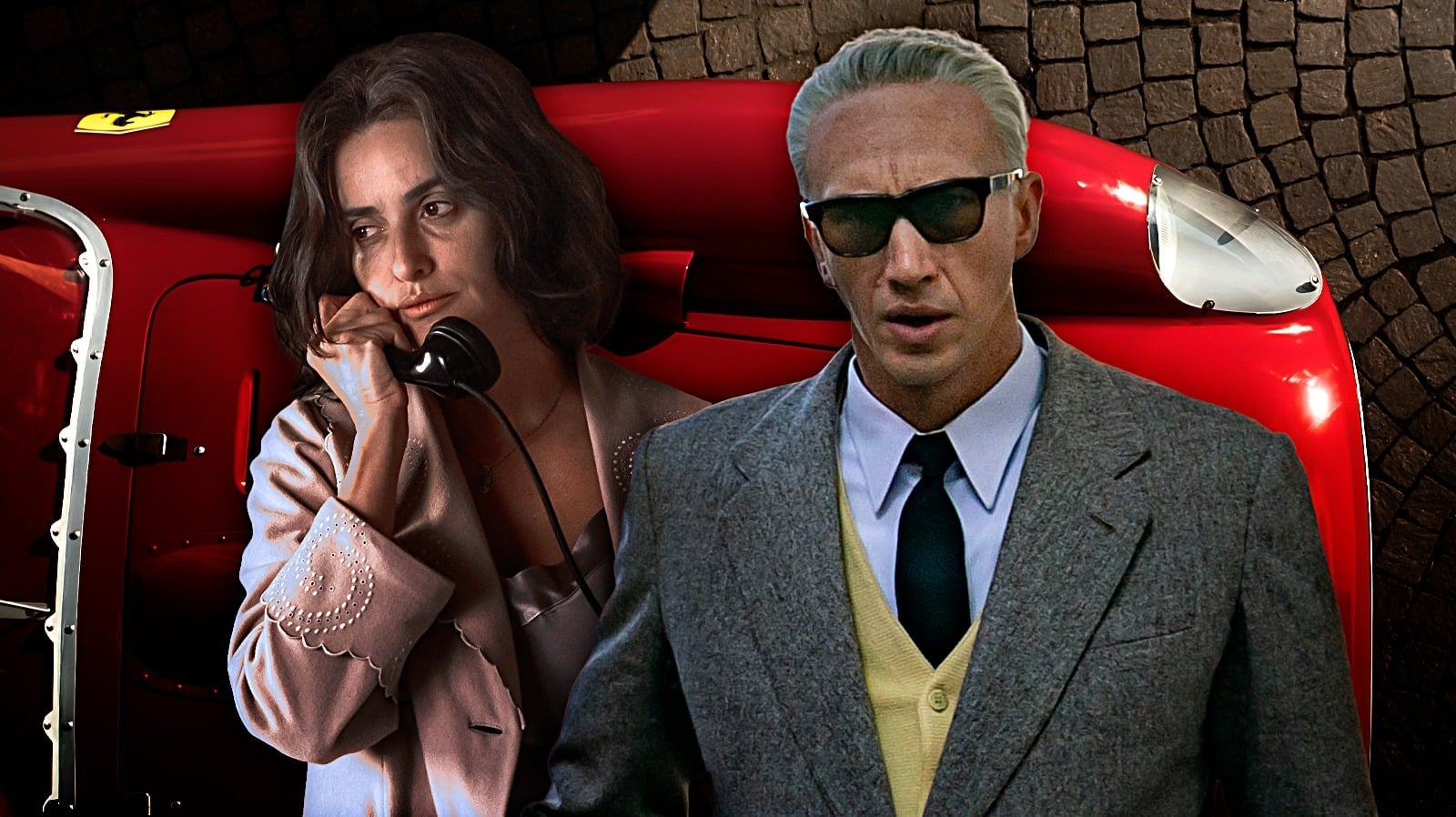
Before we look at the film’s ending, let’s recap some important moments that influence the finale. While Ferrari is still seen as an iconic and beloved brand in Italian culture, its founder Enzo Ferrari is fearful of the company’s decline. Not only has their team been unsuccessful on the track lately, but they’re starting to go broke to the point where Enzo is being advised to find an investor who will buy into the company. At home, things aren’t much better. The loss of their son and fluctuations in the business have caused major rifts between Enzo and Laura, and now Enzo’s secret relationship with Lina is on the verge of being discovered. Lina has grown tired of Enzo not acknowledging their son Piero as his own, as a Ferrari. However, Enzo is focused solely on an upcoming race — the treacherous 1000 miles of Mille Miglia — and building a team that’ll lead Ferrari to victory.
While his first driver dies from a horrifying crash during a time trial, he’s able to pull together a team that includes a young aspiring driver named Alfonso De Portago (Gabriel Leone). Through Enzo’s dedication to creating the perfect car for the race and some swift business dealings, Ferrari has a chance to reclaim their position as number one. What Enzo doesn’t realize, though, is that Lauren has found out about Lina and Piero, and she forces Enzo into a corner to make a deal to buy out her shares.
During his interview with Fortress of Solitude, Alan Ritchson also gave his opinion on who was tougher between Jack Reacher and Batman, noting that his character of few means could stand tough against the billionaire with everything at his disposal. «Reacher would be harder to go down in a fight,» Ritchson said. «Just him and his toothbrush, and [Batman would] be like, ‘Damn, he’s holding on. It’s been 30 minutes.’ So, it would be fun.»
If Ritchson, who previously played Aquaman on «Smallville» and Hawk on «Titans,» is actually considered to play Batman in James Gunn’s and Peter Safran’s DCU, he certainly has the height to pull off the role. Former Batman Ben Affleck is 6-foot-2 1/4, while Ritchson stands at 6-foot-3. Oddly enough, Ritchson almost didn’t play Reacher over one minor (but important) detail. In author Lee Child’s Jack Reacher book series, the character is 6-foot-5. The production, fortunately, let the height differential between Ritchson and the fictional character slide.
By the way, Ritchson isn’t kidding about Reacher only having a toothbrush, as it’s one of the few possessions the former Army Military Police veteran has in «Reacher» Season 2. Based on «Bad Luck and Trouble» — Child’s 11th Jack Reacher book — Reacher begins a new probe after the murder of former soldiers who were a part of his 110th Special Investigations Unit.
If the snap isn’t your schtick, there are plenty of other movie options out there. Here are a few top ones to consider:
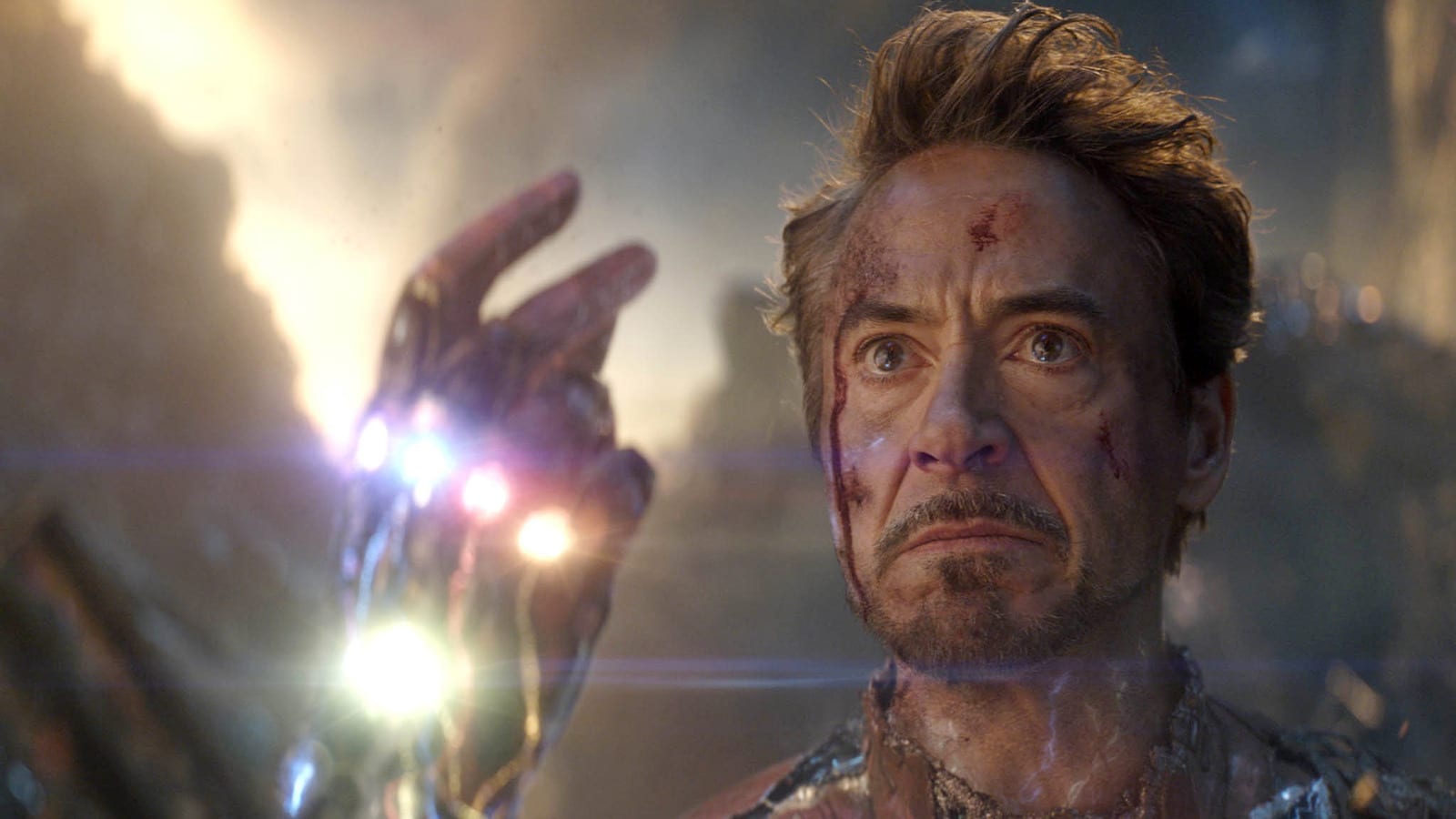
Within the MCU, there are many other great points that make for perfect New Year’s celebrations. Starting «Endgame» at 9:41:34 p.m. will give you Captain America’s (Chris Evans) «Avengers, assemble!» line at the stroke of 12. Starting «The Avengers» at 10:07:51 p.m. will bring you to the first actual circle of assembled Avengers at midnight. And if you want to be literal — and work on a much shorter timeline — you can start «Iron Man 3» at 11:55:50 p.m. and end up celebrating the New Year at the same moment that it begins in the movie.
If you’re interested in branching out from Marvel’s cinematic universe, the options quite literally become endless. A couple of the best to keep in mind? You can start «Star Wars: A New Hope» at 10:02:42 p.m. to watch the biggest firework of them all — the Death Star — explode at 12. And if epic fantasy is your preference, fire up the theatrical version of «The Lord of the Rings: The Two Towers» at 9:46:22 p.m. to start the New Year with Théoden’s (Bernard Hill) legendary line, «So it begins.» As an added bonus, if watching the extended editions is your jam, start the movie at 9:09:37 p.m.
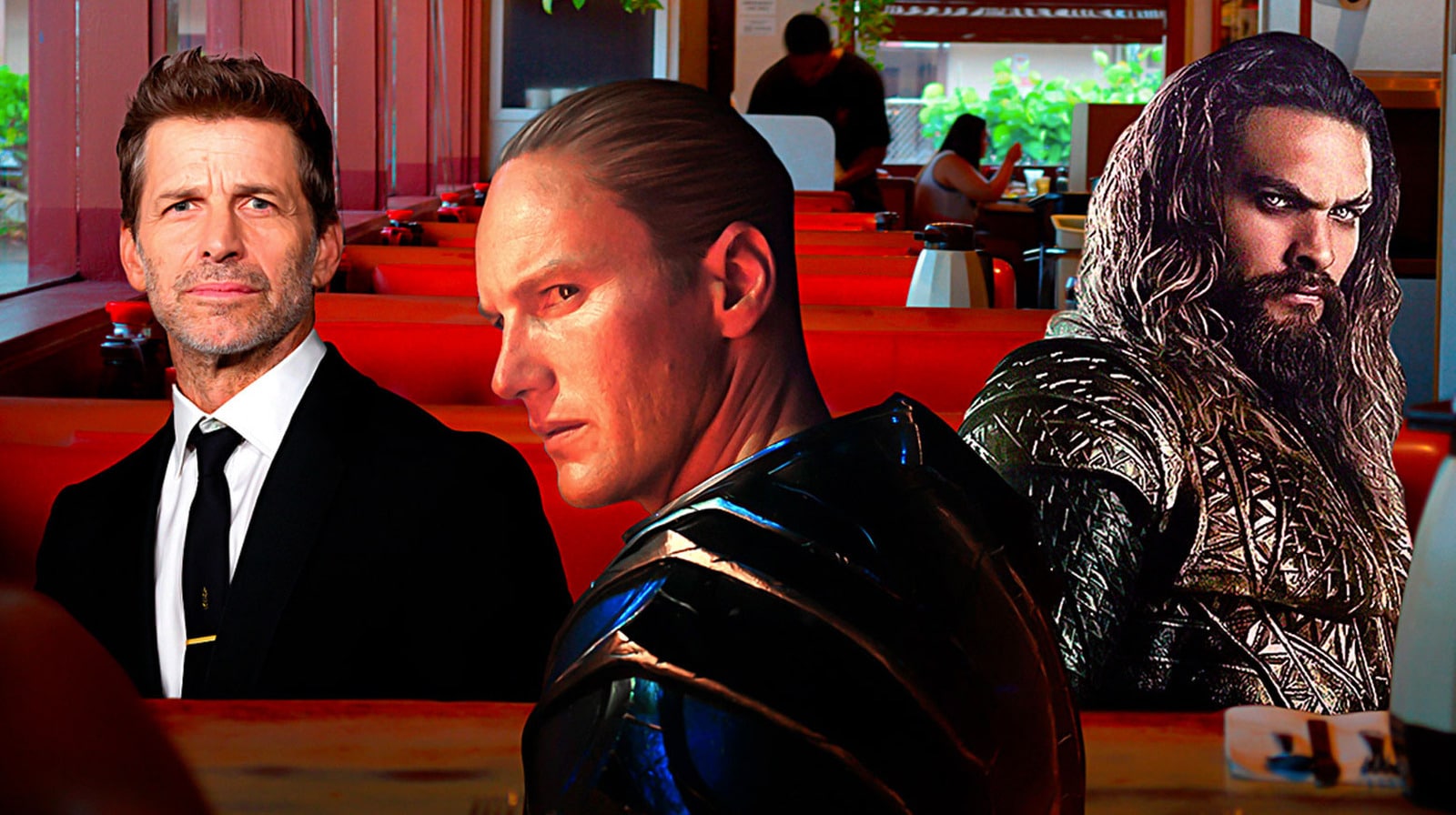
While fans might be upset to see the last entry of the Snyderverse/DCEU roll out with a laugh, it feels like that was the safest route in the grand scheme of things. This franchise has been stripped for parts, with even its biggest stars no longer involved. To even include the silhouetted stand-in cameos as in «Peacemaker» or heroes missing a head like Superman in «Shazam» would highlight precisely where the DCEU faltered. Perhaps we could have gotten a tease of Arthur’s future adventures, but why? No one is going to see them.
Instead, the only thing to do now is keep our fingers crossed that James Gunn’s new DC Universe will be a stronger and more cohesive collection of stories than the ones we got. While it might seem a shame that this is the last time we’ll see Jason Momoa in this world as one of its only remaining successful heroes, there’s a chance that, if rumors are to be believed, he’ll be turning up in the new DCU anyway. The talk of him landing the role of Lobo has been rocking around the rumor mill for some time, so it would be nice to see him play hero again, albeit a foul-mouthed one with murderous tendencies. For now, though, we’ll always have Aquaman and a drum-playing octopus to look back on.
Bruce Campbell’s fake «Deadpool 3» leak may be little more than a lighthearted joke, but some are no doubt wondering what the odds are that the actor would actually pop up in the movie when all is said and done. It’s certainly not out of the question, though it probably wouldn’t have Campbell as his Ash Williams persona. However, the circumstances of a possible Campbell cameo could be even more wild than that.
To date, Campbell has shown up in four Marvel movies — the Tobey Maguire «Spider-Man» trilogy and «Doctor Strange in the Multiverse of Madness,» all of which were directed by his frequent collaborator Sam Raimi. While some consider Campbell’s repeated appearances to be little more than fun little nods, one interesting MCU theory suggests that he’s secretly the Marvel multiverse’s most powerful god. With «Deadpool 3» likely retaining the series’ irreverent meta quality, an appearance from yet another multiverse variant of Campbell could be a surprisingly fitting part of the movie.
For what it’s worth, Campbell has already worked closely with Ryan Reynolds. In 2023, the actor became the host of the series «Discontinued,» which exclusively aired on Reynolds’ Fubo channel, Maximum Effort. «Honestly, it’s great to work with a guy like Ryan Reynolds because the guy has a plan,» Campbell said of his fellow actor in an interview with TV Insider. Perhaps a Marvel-themed collaboration could be in the duo’s future after all.
Insignia of the U.S. Treasury Department’s Financial Crimes Enforcement Network (FinCEN).
Startup and small business owners take note: if your company has 20 or fewer full-time employees and gross annual sales of less than $5 million, there’s a new federal filing requirement that you need to know about.
Next year a key component of the Corporate Transparency Act comes into effect, requiring companies to report to the U.S. Treasury Department the names of their “beneficial owners.” The primary goal of the rules is to bring transparency to anonymous shell companies used to hide money laundering, finance terrorism and engage in other illegal activities.
Congress passed the legislation in 2021 and the reporting requirements are estimated to apply to some 30 million entities. The data will reside in a confidential database kept by Treasury’s Financial Crimes Enforcement Network, or FinCEN. Law enforcement will have access to the information in the pursuit of criminals.
The U.S., it appears, is overdue for shining some light into shady business dealings. Last year the nation was ranked “the most secretive financial jurisdiction in the world,” according to the 2022 Financial Secrecy Index.
The new rules could be a start to improving that standing.
“A lot of people either forget or don’t realize that the U.K. and other countries already have similar types of information gathering, so the U.S. is just catching up,” said Gary Kocher, an attorney with Seattle’s K&L Gates.
Reporting companies include most entities that register with a state, such as limited liability companies (LLCs), limited partnerships and corporations. There are 23 categories of exemptions, including larger businesses, nonprofits, banks and credit unions; many of these are excluded because their ownership information is captured through other means.
At a high level, the reporting requirements are simple, but for some individuals and organizations it gets tricky. Here’s a summary of how the rules work:
Companies that form in 2024 will have 90 days to report essential information on their beneficial owners. Existing companies will have until Jan. 1, 2025 to report. (Update: Eighty members of the House and Senate sent a letter this week to Secretary of the Treasury Janet Yellen and FinCEN Director Andrea Gackirequesting they delay by one year the implementation of the rules.)
Companies must report their beneficial owners, which includes individuals in leadership who have “substantial control” over a company or individuals who own or control at least 25% of the company.
For each beneficial owner, the companies must provide their name, birth date, current residential address, and a unique identifying number from a document such as a driver’s license or passport, plus a copy of that document.
When that information changes — someone moves, is hired or fired, etc. — the company has 30 days to file an update.
Non-compliance can trigger penalties of $500 per day up to a maximum of $10,000, and criminal penalties of up to two years’ imprisonment. However, enforcement is focused on “willful violations,” as opposed to unintended filing errors and those making an effort to comply.
Supporters tout the Corporate Transparency Act as important to safeguarding national security.
Sen. Sherrod Brown of Ohio hailed its passage, saying in a statement that it “will provide new tools to crack down on opioid and human traffickers, terrorists, weapons dealers, and others who use anonymous shell companies to launder the proceeds of their crimes, and on big banks that enable criminals or have lax anti-money laundering compliance programs.”
Critics are less sure of its likely impact.
“I think mostly it’s going to catch people who have small businesses who didn’t know about filing obligations or forgot about them or couldn’t afford lawyers to get advice on how to comply,” said Joseph Wallin, an attorney with Seattle’s Carney Badley Spellman.
“I think it’s far more likely to catch those people than oligarchs and money launderers,” he added. “But we’ll see.”
Seattle startup SingleFile has a banner on its homepage alerting companies to the upcoming Corporate Transparency Act, or CTA, requirements.
The rules could get challenging for people involved with multiple entities, who perhaps own property through LLCs or have significant investments in multiple companies. It could also be unclear in some circumstances as to who qualifies as a beneficial owner.
But the issue that seems to draw the biggest worries is the requirement for filing updates within 30 days of a change.
Most reporting requirements occur on an annual basis, said Aaron Finn, CEO of SingleFile, a Seattle startup that automates the process of managing and submitting corporate filings. But under these requirements, he said, if a beneficial owner moves, if their driver’s license or passport expires, or if a businesses’ revenue goes above or below $5 million, that triggers a filing.
The Corporate Transparency Act, Finn said, “is unique in the fact that [filing] doesn’t just happen on a regular basis, that it happens at any change. And so what we believe is technology is really going to have to be the one that solves this monitoring.”
SingleFile is preparing a compliance tool that aims to automatically monitor a customer’s administrative and other information to detect changes in addresses and leadership positions and trigger a prompt for an update. The Treasury Department has yet to finalize some important pieces on its end, so SingleFile and others are not yet able to complete their products.
And there will likely be tweaks and clarifications by regulators in how the reporting rules work.
“It’s going to be a learning process,” said Wallin. “People are probably going to miss some things, people are going to forget… There’s obviously going to be things that happen during the rollout of this that take people by surprise.”
The New Shepard rocket ship is readied for launch from Launch Site One in West Texas. (Blue Origin Photo)
Jeff Bezos’ Blue Origin space venture is heading back to the launch pad again early Tuesday to send its New Shepard rocket ship on an uncrewed space mission for the first time in 15 months.
Monday’s first launch attempt ended with a postponement, due to a ground system issue that needed troubleshooting at Blue Origin’s Launch Site One in West Texas.
The second attempt is scheduled for no earlier than 10:37 a.m. CT (8:37 a.m. PT), depending on weather and technical readiness. Blue Origin will provide streaming video coverage of the countdown, launch and landing via its website starting at T-minus-20 minutes.
This mission, known as NS24, will send 33 science payloads to the edge of space and back, providing a few minutes of zero gravity for research purposes. It’s essentially a do-over for a flight in September 2022 that ended prematurely due to a malfunction of the New Shepard booster’s hydrogen-fueled rocket engine.
No people were on the spacecraft for that NS23 mission, no injuries were reported on the ground, and New Shepard’s escape system worked as designed to push the capsule away from the booster for a safe, parachute-aided landing. Nevertheless, the anomaly led to the suspension of Blue Origin launches and a yearlong investigation overseen by the Federal Aviation Administration.
This September, the FAA closed the investigation and required Blue Origin to take 21 corrective actions — including a redesign of the booster’s engine and nozzle as well as changes in procedures. Blue Origin began making the fixes even before the FAA issued the investigation’s findings, setting the stage for NS24.
More than half of the science payloads for NS24 have been developed with support from NASA. Others have been built by schools, universities and other education-oriented organizations. Among the payloads to be reflown is an experiment from Honeybee Robotics, a subsidiary of Blue Origin, which will study the strength of planetary soils under different gravity conditions.
The New Shepard capsule is also carrying 38,000 postcards that have been submitted — on paper and online — by students through a program organized by the Club for the Future, Blue Origin’s educational nonprofit group.
If NS24 goes well, that’s expected to smooth the way for Blue Origin to resume crewed New Shepard flights in the months ahead. Since mid-2021, 31 people — including notables such as Star Trek actor William Shatner and Jeff Bezos himself — have taken suborbital space trips without incident. Bezos’ fiancée, Lauren Sanchez, has said that she hopes to lead an all-woman space mission early next year.
New Shepard’s return to flight comes amid an organizational handoff at Blue Origin, with veteran aerospace executive Bob Smith passing the CEO reins to former Amazon executive Dave Limp.
During an interview with podcast host Lex Fridman, Bezos said he wants Blue Origin to speed up progress on projects such as its orbital-class New Glenn rocket and its Blue Moon lunar lander. “Blue Origin needs to be much faster,” Bezos said. “It’s one of the reasons that I left my role as the CEO of Amazon a couple of years ago. Blue Origin needs me right now. … We are going to become the world’s most decisive company, across any industry.”
Bezos told Fridman that Limp would help him get the job done. “He’s amazing,” Bezos said. “So we’re super lucky to have Dave, and you’re going to see us move faster there.”
This is an updated version of a report first published at 5:59 a.m. PT today.
2001’s «Spirited Away» is saturated with colorful characters. That’s to be expected in a film that takes place in an interdimensional bathhouse for spirits, the denizens of which include miserly frogs, anthropomorphized radishes, and hard-working soot sprites. For the story’s protagonist, Chihiro, the world of «Spirited Away» is as much a spa as it is purgatory. When her parents greedily nosh on food meant for spirits, they turn into pigs, and young Chihiro must find a way to save her porcine parents and return to the human world while working at a bathhouse populated by otherworldly characters.
A novice employee, Chihiro invites the enigmatic No-Face inside, assuming he is a customer. As his name suggests, No-Face is a blank slate. He is mild-mannered, silent (save his cooing «ah» sounds), and, above all, lonely. In the spa, however, he becomes a manifestation of the establishment’s worst qualities, and his loneliness is a vacuum. No-Face is consumed by the insatiable greed that runs rampant in the bathhouse. Soon he begins gobbling up gold, material possessions, and even other customers.
No-Face’s greatest power — and the source of his undoing — is that he is a mirror to his environment’s greatest ills. He may not be outwardly evil like some Miyazaki inventions, but he represents a very human capacity for greed and, in some instances, terror. As Miyazaki pointedly said, «No-Face is inside all of us» (via Otaku USA Magazine). No-Face only relents when he achieves what he wanted all along: companionship.
In the wake of Jonathan Majors’ firing, it seems that Marvel Studios is reassessing the relevance of Kang and his variants in the MCU’s future. The most telling move the studio has made is the removal of the «Avengers: The Kang Dynasty» title from the next «Avengers» movie. At the time of this writing, it is being referred to simply as «Avengers 5,» which indicates that Kang may not continue to be built up as the main threat of the Multiverse Saga. If this is the case, the odds of seeing a comic-accurate Iron Lad aren’t too great.
Worsening the odds of seeing a print-accurate origin for Iron Lad is the Season 2 finale of «Loki.» In the closing moments of the episode, titled «Glorious Purpose,» Loki (Tom Hiddleston) ascends to become the God of Stories. In doing so, he becomes the guardian and overseer of the entire Multiverse, ensuring multiple timelines can coexist without leading to the collapse of all existence. It’s implied that he outsmarts He Who Remains (Majors), preventing a Multiversal war between the Kangs and ensuring all timelines are free to branch. Kang variants may retaliate, but if not, this seems like a fine point to send all versions of the character off into the sunset.
For now, it’s an uncertain time for Kang at the movies, so uncertain that Iron Lad — a character who could’ve easily received a comic-accurate origin not long ago — may be up for some major revisions. That is, if his ties to Kang don’t prevent him from reaching MCU in the first place.
Interested parties may now purchase a three-CD collection called «Hook – The Ultimate Edition» through La-La Land Records because record producer Mike Matessino made it his mission to round up and remaster every single John Williams score. The collection includes the standard score of «Hook» alongside everything else recorded and subsequently discarded. The only notable track missing from the collection is a demo of «Childhood,» a ballad planned for Granny Wendy (Maggie Smith) performed by Julie Andrews. There is a demo of «Childhood» present on the third CD; it just isn’t the version performed by Andrews. Other available songs include «Stick With Me,» a villainous tune planned for Captain Hook (Dustin Hoffman), and «Below – Pirate Sequence,» the aforementioned fully choreographed pirate number.
In a conversation with NPR, Matessino noted how attentive listeners may catch remnants of the musical in the final score, saying, «Even without the songs being sung, the score has a ‘lyrical’ quality. You don’t really get themes in a film score that have what we call bridges in a song, sort of a center section. And that’s a clue right there that a lot of these themes began life with the intention of having lyrics set to them.»
It’s no secret that «Hook» received as much criticism as it received love, so these additional tunes are unlikely to find purchase with the general public. But for those who still shout «bangarang» whenever the opportunity arises, «Hook – The Ultimate Edition» is better than a thimble.
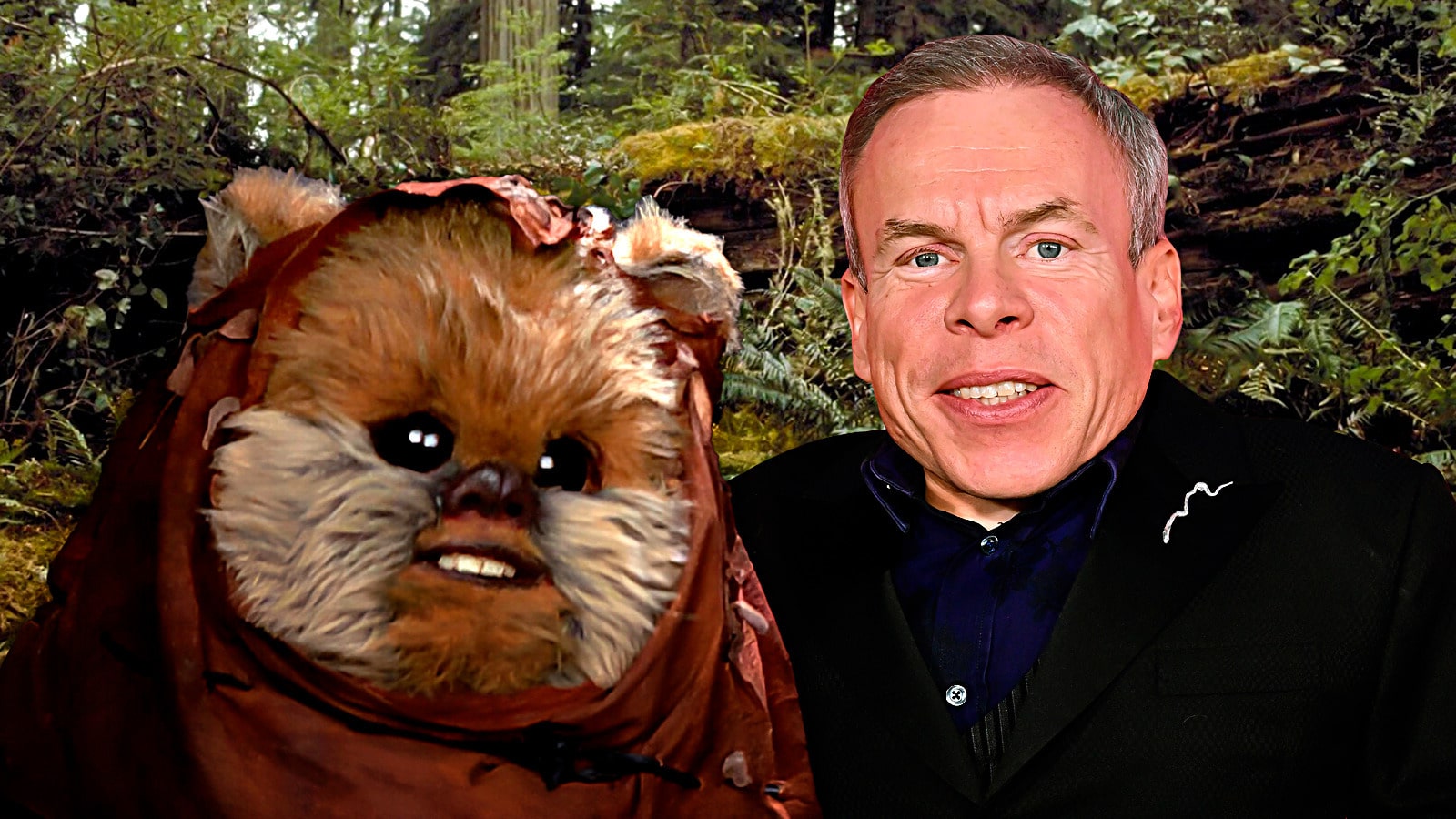
Continuing in his TheForce.net interview, Warwick Davis said, «Even if the look did not make it through to the finished film, [director George Lucas’] concept of primitive creatures bringing down the technologically advanced Empire certainly did, and it works great.» In this statement alone, the actor touched on why the Ewoks are so important to «Star Wars» and the messaging behind it. Sure, they may look like teddy bears created to sell toys to kids, but at the end of the day, they’re a fighting force willing to risk it all if it means taking down the Empire.
Behind all of the lightsaber duels, alien creatures, and engaging space battles, «Star Wars» is largely a story about the oppressed working against their oppressors. The Rebels fight back against the Empire, the Resistance battles back against the First Order, and the Jedi combat the Sith. These tales are designed to inspire hope, reminding audiences that cruelty, abuse, and hate are no match for courage, bravery, and community. How better to exemplify that than through a faction of seemingly defenseless little bears fighting their hearts out to ensure the end of a high-tech fascist regime?
At the end of the day, there are valid reasons to dislike Ewoks and their presence in «Return of the Jedi.» However, to say they don’t fit in «Star Wars» couldn’t be further from accurate.
Washington state Attorney General Bob Ferguson speaks at the GeekWire Summit in 2017. (GeekWire File Photo / Dan DeLong)
Attorney General Bob Ferguson is proposing legislation to create a bipartisan Artificial Intelligence Task Force in Washington state that would recommend principles for AI use, identify potential high-risk uses of AI, and raise other policy issues for state legislators to consider.
Explaining the need for the task force, the related bills cite the risk that AI will “further perpetuate bias and harm to historically excluded groups,” and note that the “federal government has not yet enacted meaningful regulations or oversight into generative artificial intelligence,” leaving the industry to largely regulate itself.
As shown in the past, on issues including data privacy, the presence of Microsoft, Amazon, and other major tech players in the Seattle region can position the state’s leaders to have abroader impact on national law and policy.
However, in a phone interview Monday afternoon, Ferguson downplayed that notion as a motivation for the task force, saying the primary goal is to “get our arms around this from a policymaker’s perspective” for Washington state.
“If it has some additional benefit, has a broader reach, that’s great,” he said. “But that certainly was not the focus.”
We’ve contacted the office of Gov. Jay Inslee for comment on the proposed legislation. Ferguson, a Democrat, is running for governor in 2024 with Inslee’s endorsement.
As proposed, the 42-member AI task force would include representatives from the legislature, state agencies, tribes, technology experts, civil liberties organizations, education, consumer advocates, businesses, and many others.
Under the proposal, the attorney general would appoint the majority of the task force, including representatives of specific tech trade groups, including the Washington Technology Industry Association and TechNet.
Also appointed by the AG would be representatives of advocacy groups for people who are “disproportionately vulnerable to being harmed by algorithmic bias,” the proposed legislation reads. It cites, as examples, “African American, Hispanic American, Native American, Asian American, Native Hawaiian and Pacific Islander communities, religious minorities, people with disabilities, and other vulnerable communities.”
Ferguson is working with Sen. Joe Nguyen, D-White Center, and Rep. Travis Couture, R-Allyn, to introduce the bills as part of the 2024 legislative session. The relevant bills have been pre-filed as HB 1934 and SB 5838.
The task force would meet at least twice a year, holding its first meeting by Dec. 31, 2024, according to the text of the bills. The task force’s preliminary report would be due to the governor and state legislature by Dec. 1, 2025, with final findings and recommendations due by June 1, 2027.
“I think virtually every Washingtonian understands that this new technology brings opportunities, but also some potential challenges,” Ferguson said in the phone interview. “It’s important for policymakers and leaders in the state to get guidance from experts on how best to channel the positives, and minimize the negatives.”
This proposal is part of a slate of “Attorney General Request” bills that Ferguson introduces in every legislative session. The majority of these bills pass with bipartisan support.
Outlining the plan to establish the task force, the Attorney General’s office listed these examples of the findings and recommendations expected to be produced by the group.
A recommended set of guiding principles for generative artificial intelligence use.
Identification of high-risk uses of artificial intelligence, including those that may negatively affect safety or fundamental rights.
Opportunities to support and protect the innovation of generative artificial intelligence technologies.
Recommendations as to how the state should educate to the public on the development and use of generative artificial intelligence.
A review of public policy issues, including benefits and risks to the public broadly, historically excluded communities, racial equity considerations, workforce impacts and ethical concerns.
According to the AG’s office, at least 25 states have introduced AI-related legislation and four other states (Colorado, Illinois, Vermont and Virginia) have created their own AI-related tasks forces or commissions.