[ad_1]

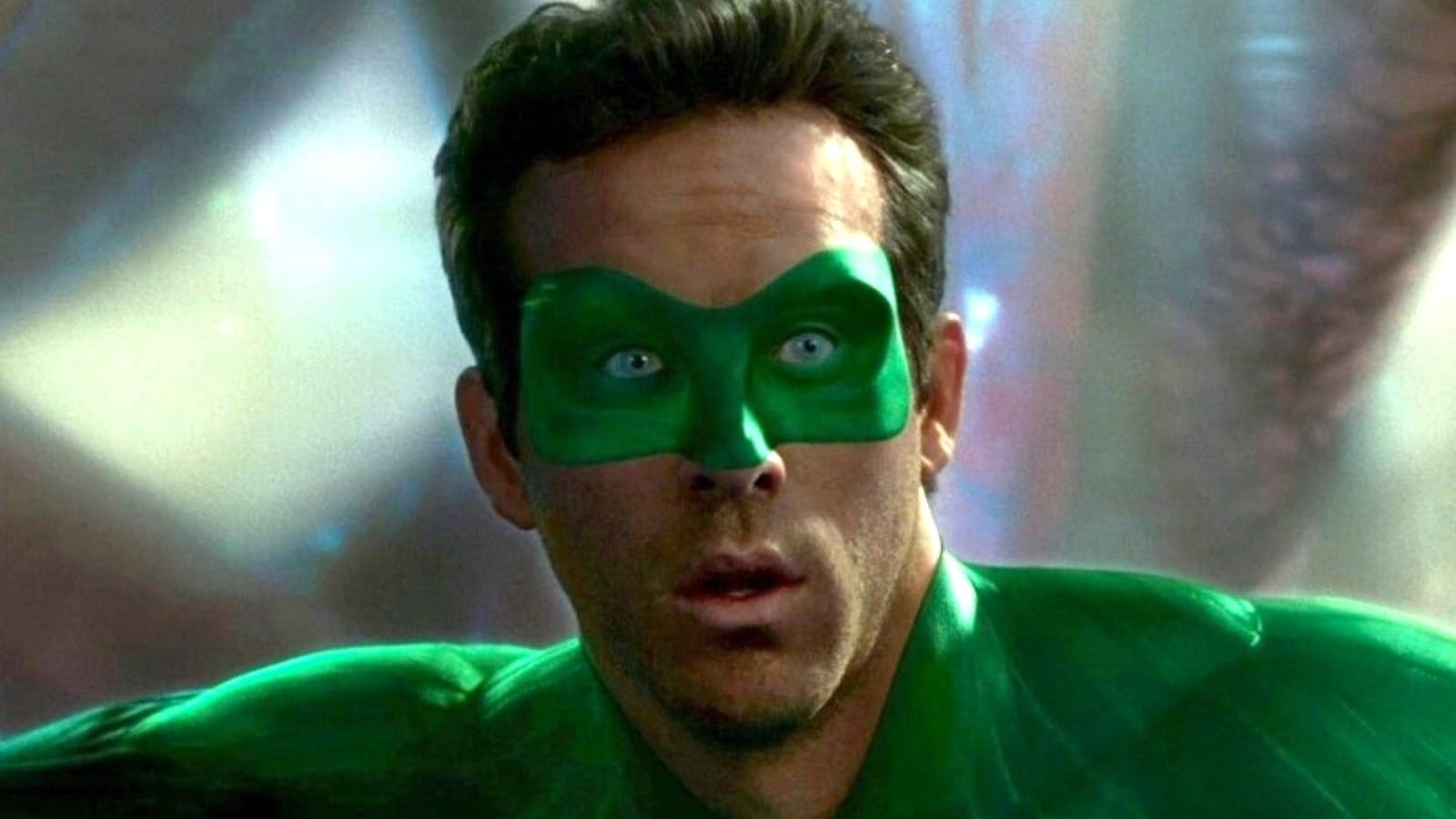
The whole cinematic universe thing has worked wonders for Marvel, but you could argue that the studio is too concerned with the interconnectivity of its projects at times, placing too much importance on setting up future movies when the focus should be the movie at hand. Including nods to other projects is perhaps expected when you’re 30-plus films into your cinematic universe, but «Green Lantern» is (or was intended to be, at least) the first entry in a DC movie universe. As such, all the set-ups feel somewhat forced.
Instead of just focusing on Hal Jordan and his epic origin story, the movie spends valuable time trying to put pieces in place for sequels and a wider cinematic universe. In the first «Iron Man,» Nick Fury and SHIELD are part of a minor subplot that doesn’t come to fruition until after the end credits have rolled. In «Green Lantern,» there’s a similar story involving Amanda Waller (Angela Bassett), the director of a shadowy government agency. It’s not uninteresting, but it eats up way too much of the film and takes you out of Hal’s story.
Of course, Waller’s presence does relate to the story of the villain, Hector Hammond. However, it’s largely unnecessary and seems to only exist to lay the groundwork for spin-offs and team-ups down the road. The subplot involving Sinestro (a devious Green Lantern that fans already know will one day become a villain) is also superfluous. The film should have concentrated on the hero’s journey throughout, but the studio was too busy getting ahead of itself. In the end, this worked against Warner Bros. and DC, because it made «Green Lantern» weaker and helped kill off any notion of a sequel.
[ad_2]
Deja una respuesta