Etiqueta: Featured

  • Ackerley brothers, fresh off Leeds United stake, launch new investment arm for sports and tech – GeekWire

    Ackerley brothers, fresh off Leeds United stake, launch new investment arm for sports and tech – GeekWire

    Ted and Chris Ackerley at Climate Pledge Arena. The Seattle-based brothers are part-owners of the Seattle Kraken and recently launched a new sports and media investment arm. (Photo courtesy of Ted and Chris Ackerley)

    Ted and Chris Ackerley are on the hunt for companies at the forefront of sports and media innovation.

    The Seattle business leaders recently announced the Ackerley Sports Group (ASG), a new arm of their longtime investment firm Ackerley Partners.

    ASG plans to invest in teams, leagues, and growth stage companies.

    The Ackerley brothers are part-owners of Seattle’s NHL franchise, the Seattle Kraken, which debuted two years ago. And this year they became owners and partners of Leeds United Football Club, a top English soccer franchise that recently shifted majority ownership to 49ers Enterprises, which owns the NFL’s San Francisco 49ers.

    The Leeds investment is the first out of ASG, the firm told GeekWire.

    We’ve documented the crossover between technology and sports over the years here at GeekWire, and the intersection continues to evolve with the proliferation of AI, more tech giants getting into live streaming, advancement of analytics, and much more.

    Sports runs deep in the Ackerley family. Ted and Chris are the sons of the late Barry Ackerley, a Seattle businessman and founder of The Ackerley Group media company, which owned the NBA’s Seattle Supersonics for 18 years. Barry and Ginger Ackerley, his wife, founded the WNBA’s Seattle Storm in 2000.

    The Ackerley brothers are also involved in a special purpose acquisition company, or SPAC, called ESH Acquisition Corp. that is targeting an enterprise in the entertainment, sports, and hospitality sectors. It closed an IPO in June, raising $115 million.

    Ackerley Partners formed after The Ackerley Group sold to Clear Channel Communications in 2002 for more than $800 million. The firm, now led by Ted and Chris, has backed various Seattle tech startups in addition to other investments.

  • Glowforge lays off 30 employees as maker of 3D laser engravers gets ‘ready for what’s next’ – GeekWire

    Glowforge lays off 30 employees as maker of 3D laser engravers gets ‘ready for what’s next’ – GeekWire

    Glowforge co-founder and CEO Dan Shapiro with the company’s latest laser engraver at the startup’s offices in Seattle’s SoDo neighborhood last summer. (GeekWire File Photo / Kurt Schlosser)

    Glowforge, the Seattle-based maker of 3D laser engravers, has laid off 30 employees, co-founder and CEO Dan Shapiro confirmed to GeekWire on Friday.

    “We’ve had to make some tough calls about parting ways with amazing people,” Shapiro said in an emailed statement. “They’ve helped us accomplish incredible things. And as we prepare for the opportunities ahead, we realized we had to make these changes to get ready for what’s next.”

    Shapiro declined to get into specific reasons for the cuts or provide an updated headcount number. The startup employed 145 people as of July, when GeekWire got a preview of its latest product, a lower-priced machine called Aura, designed to bring home crafting to a wider audience of consumers.

    Shapiro said he’s “grateful and indebted” to the people who got Glowforge to where it is, as the company looks toward “big plans” in 2024.

    “As the CEO, I’m responsible for the impacts this has on our departing colleagues, and we are doing everything we can to help,” he said. “We’ve made sure the people affected have outplacement support, severance, visa assistance, and 12 months of paid medical coverage to support them.”

    Glowforge is also compiling an opt-in list of people affected and encouraging other employers to email [email protected] for an introduction.

    Shapiro founded Glowforge in 2015 with fellow startup veterans Mark Gosselin, the current CTO, and Tony Wright, who left the company in 2017. Shapiro previously sold the startup Sparkbuy to Google, and he created Robot Turtles, a coding board game for kids that was one of the most successful campaigns ever on Kickstarter.

    The company raised $20 million as part of an extended Series E funding round in May, and has raised $135 million to date.

  • Aquaman 2 Confirms Whether Willem Dafoe’s Vulko Is Dead

    Aquaman 2 Confirms Whether Willem Dafoe’s Vulko Is Dead

    [ad_1]

    Several months before «Aquaman and the Lost Kingdom» came out, director James Wan confirmed Willem Dafoe wouldn’t be in the movie. Instead of recasting the part of Vulko, the creative team merely decided to write him out. The cause of Dafoe’s exclusion is an old standby in Hollywood — scheduling conflicts. 

    It makes sense when looking at Dafoe’s filmography that he’d be too busy for «Aquaman 2.» In 2023 alone, the actor appeared in «Inside,» «Asteroid City,» «Poor Things,» «Finally Dawn,» «Pet Shop Days,» and «Gonzo Girl.» He even had a voiceover role in Studio Ghibli’s «The Boy and the Heron.» Dafoe is an actor who likes to keep busy, maneuvering between high-profile fare and more independent projects. Given the hectic filming schedule of «Aquaman 2,» which included three rounds of reshoots in one year, it’s understandable why Dafoe would bow out of appearing in the final DCEU movie. 

    Instead, Atlanna (Nicole Kidman) takes on much of the role of a mentor toward her son, Arthur. It would be a bit redundant to have two mentors for the same guy in a movie, so his presence likely isn’t missed too much. And Dafoe may be thankful he chose the likes of «Poor Things» and «Asteroid City» over «Aquaman and the Lost Kingdom,» as it currently holds a negative score on Rotten Tomatoes. 

    [ad_2]

  • Seattle real estate startup Flyhomes conducts more layoffs amid ‘worsening industry headwinds’ – GeekWire

    Seattle real estate startup Flyhomes conducts more layoffs amid ‘worsening industry headwinds’ – GeekWire

    Flyhomes CEO Tushar Garg. (Flyhomes Photo)

    Seattle real estate startup Flyhomes has conducted another round of layoffs as the company faces what it calls “persistent and worsening industry headwinds.”

    Flyhomes shared the news in a post on LinkedIn on Thursday. The company did not specify how many employees were impacted, only writing that “many beloved teammates” had been let go. And a company spokesperson declined to share the company’s current headcount with GeekWire.

    The startup, which helps home-buyers secure purchases with all-cash offers, laid off an undisclosed number of employees in June. It cut 20% of its workforce in July 2022 and again reduced headcount in November 2022.

    More cuts appear to have taken place this fall, as Kyle Munson, a former VP of growth marketing at Flyhomes, posted on LinkedIn in November that he was “laid off a few weeks ago.”

    “This decision comes in the face of persistent and worsening industry headwinds which have prompted us to restructure our business to best meet the needs of our customers in a rapidly evolving real estate market,” the company’s post on LinkedIn said this week. “Each step we took these past few years was done with thoughtfulness and careful consideration to minimize these types of measures. Ultimately though, they simply were not enough, and for that we are sorry.”

    Real estate startups have been hit hard by higher mortgage interest rates and broader macroeconomic headwinds, and layoffs have been felt across the industry at companies including Redfin, Opendoor, Compass and others.

    Founded in 2016, Flyhomes is led by CEO and co-founder Tushar Garg. It has raised more than $200 million to date, including a $150 million Series C round raised in June 2021.

    The company offers a suite of mortgage and home-buying services. It provides a Buy Before You Sell program that helps sellers buy and move into their next home before selling their current property.

    In September, Flyhomes vacated office space near the Seattle waterfront to move to a 4,000 square-foot office at 500 Union St. Suite 325 in downtown. A company spokesperson said the downsizing of space was a result of shifting to a remote-first work policy, and an updated headcount was not provided.

    Flyhomes acquired the host-to-own startup Loftium in February. The company also acquired assets from Home Sale Assured, a Chicago-area company that helps homeowners move into a new home without needing to sell their current home.

    Flyhomes investors include Norwest Venture Partners, Battery Ventures, Fifth Wall, Camber Creek, Balyasny Asset Management, Andreessen Horowitz, Canvas Partners, and former Zillow Group CEO Spencer Rascoff.

  • Actors Who Tragically Passed Away From Overdoses

    Actors Who Tragically Passed Away From Overdoses

    [ad_1]

    Drug and alcohol abuse are rife in Hollywood. Here are some huge, beloved celebrities like River Phoenix, Chris Farley, and Matthew Perry who died of overdoses.

    [ad_2]

  • The Ending Of Aquaman And The Lost Kingdom Explained

    The Ending Of Aquaman And The Lost Kingdom Explained

    [ad_1]

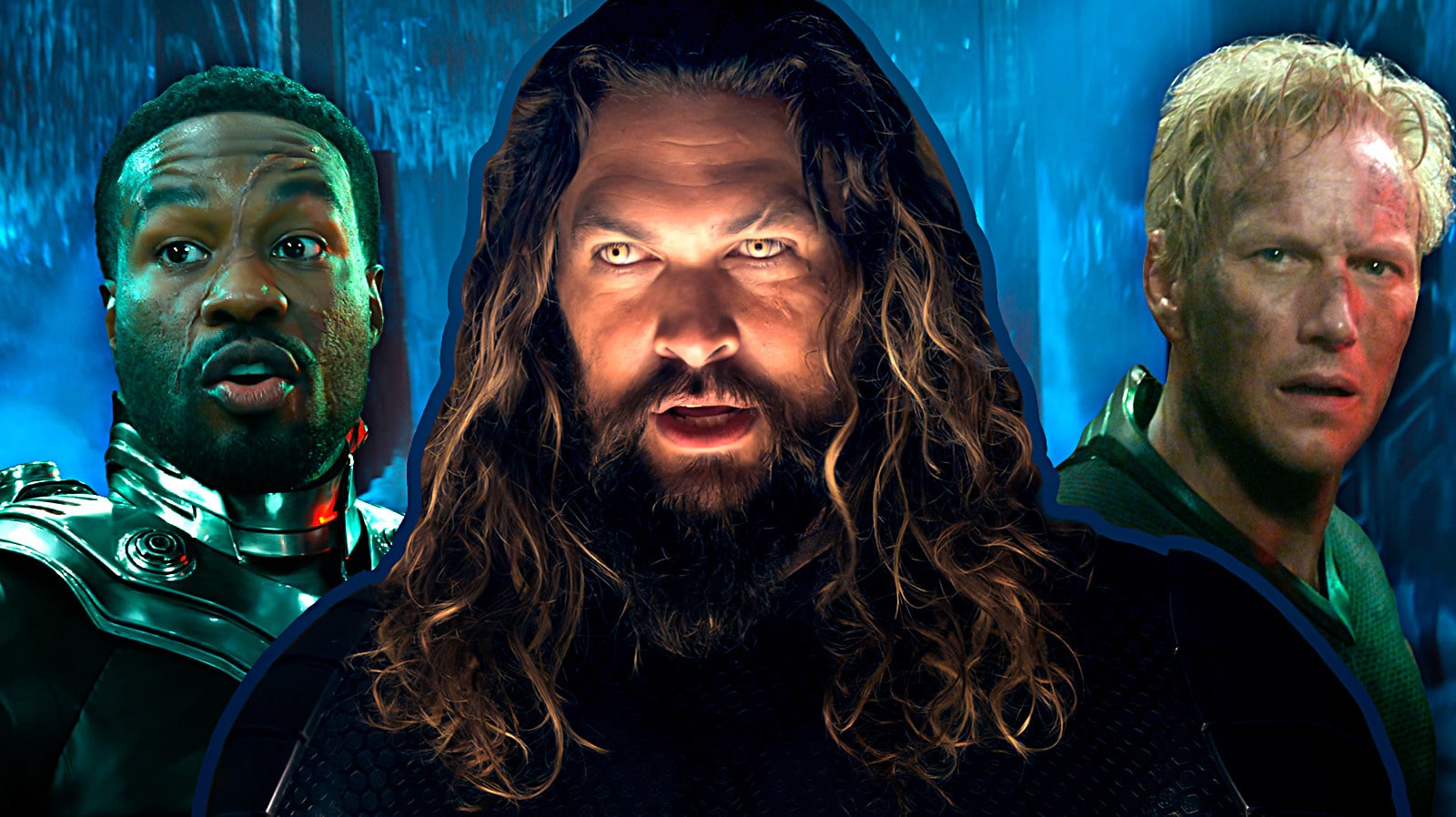
    Following his defeat at the hands of Aquaman (Jason Momoa) in the first film, David Kane (Yahya Abdul-Mateen II) is hellbent on repairing his Black Manta armor so that he may exact his revenge on the King of Atlantis. Fortunately — and with the help of marine biologist Dr. Stephen Shin (Randall Park) — he uncovers the Lost Kingdom of Necrus, frozen for eternity in the Arctic by King Atlan (Vincent Regan). Imbued with superhuman physical abilities by a cursed black trident belonging to Necrus’ wicked ruler and Atlan’s brother, King Kordax (Pilou Asbæk), Kane sets out to free the forces of the Lost Kingdom and earn the power to kill Arthur Curry and his entire family.

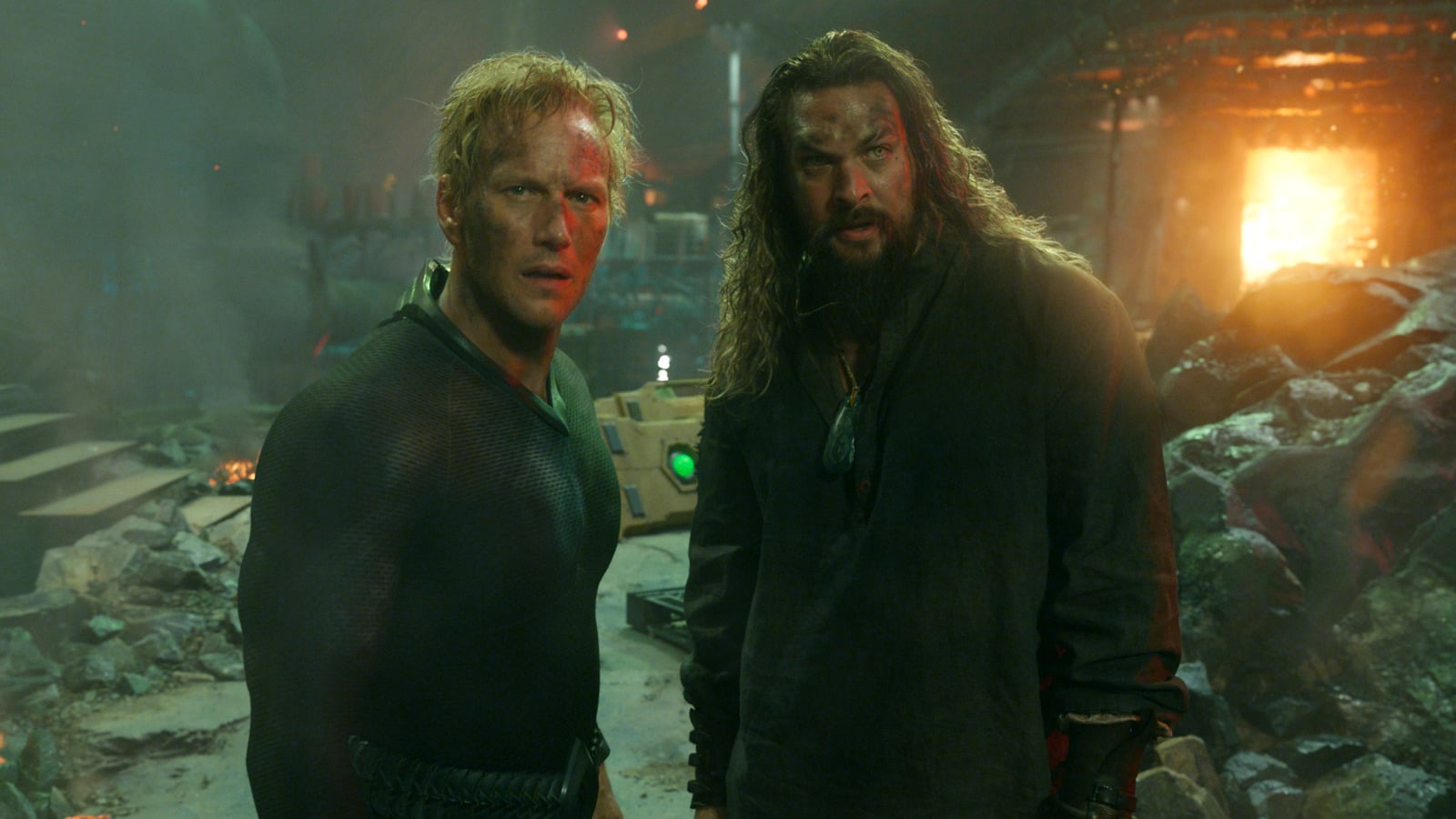
    He begins his quest by stealing and then burning an ancient, environmentally destructive power source known as Orichalcum, emitting unparalleled amounts of greenhouse gasses that expedite climate change and melting the Lost Kingdom of Necrus out of its Arctic prison. Arthur — who has sired a son with his wife, Queen Mera (Amber Heard), since «Aquaman» — becomes aware of Kane’s plan after he attacks Atlantis, and breaks disgraced former Ocean Master Orm Marius (Patrick Wilson) out of a desert prison to help track down and stop Black Manta. By the time they’re able to break into his facility and learn of his full plans, it’s too late — Manta has destroyed Arthur’s home, critically wounded his human father (Temuera Morrison), and stolen his infant son.

    [ad_2]

  • Timothée Chalamet ‘Spoils’ Return Of Dead Character In Dune 3 (If It Ever Happens)

    Timothée Chalamet ‘Spoils’ Return Of Dead Character In Dune 3 (If It Ever Happens)

    [ad_1]

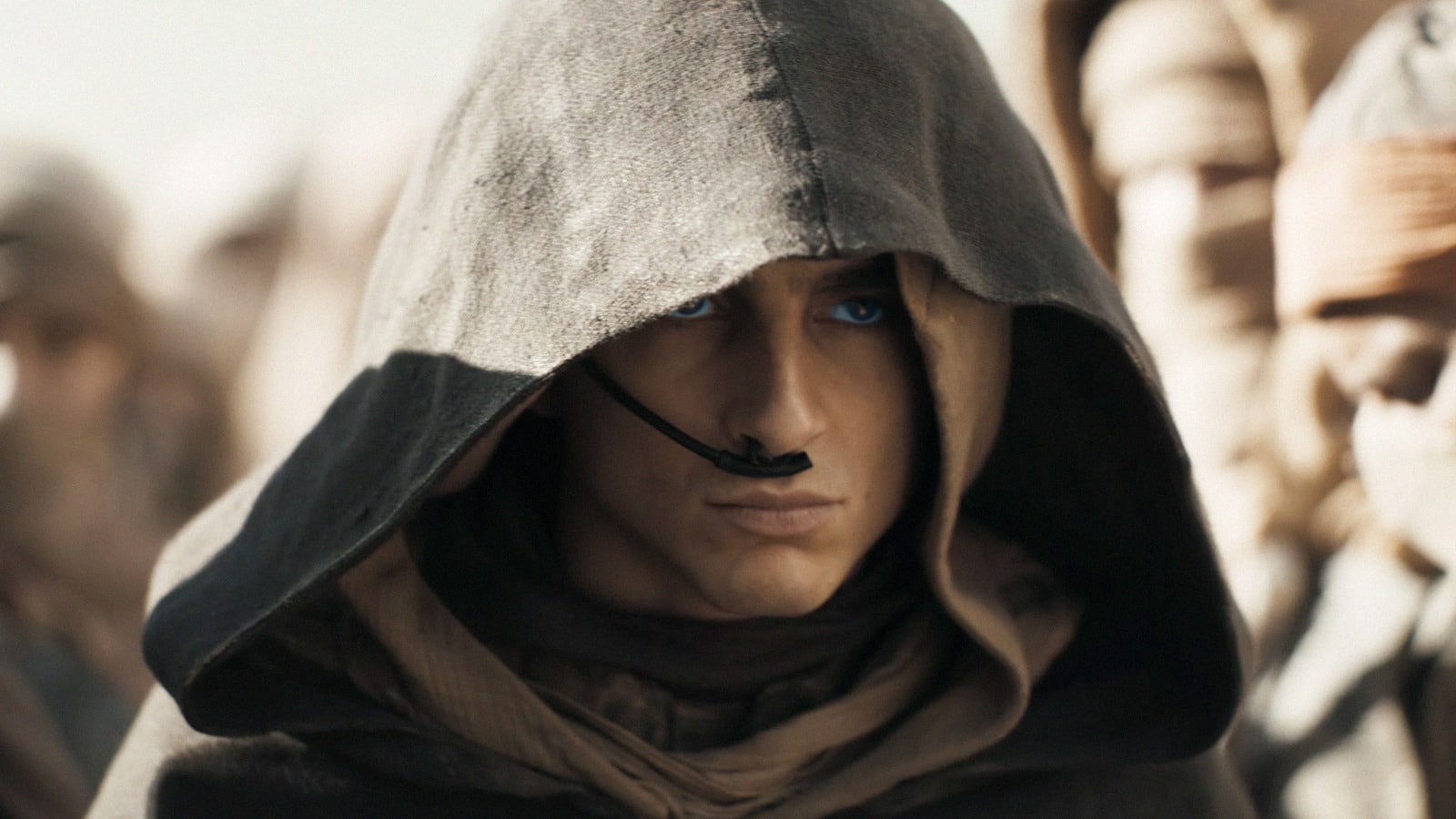
    A third Dune movie is not yet a sure thing and may well depend on «Dune: Part Two» amassing a sizable enough profit to convince Warner Bros. that the franchise should continue. But a recent report indicates that this may not be the case; according to author Jeff Sneider’s newsletter, The InSneider, Warner Bros. has quietly greenlit a third Dune film and tentatively scheduled its release for 2027.

    This information tracks with the fact that, in early December, Denis Villeneuve addressed his plans for a threequel during a press conference in South Korea. During the event, available publicly on Youtube, the director shared that he’s not just working on a screenplay for the project he’ll be working on after «Dune,» but that the script for a third chapter in the franchise script is nearly complete.

    Presumably, Villeneuve would not have spent the amount of time it takes to practically finish a feature film screenplay if he wasn’t at least somewhat confident Warner Bros. was interested in more «Dune.» Fans of Jason Momoa’s Duncan Idaho, then, can rest assured that the prospect of his return at this point seems fairly likely.

    [ad_2]

  • Seattle marketing company Banzai goes public, rings opening bell at Nasdaq following SPAC deal – GeekWire

    Seattle marketing company Banzai goes public, rings opening bell at Nasdaq following SPAC deal – GeekWire

    Banzai employees rang the opening bell at Nasdaq today in New York City. (Banzai Photo)

    Marketing tech company Banzai rang the opening bell at Nasdaq on Friday as the Seattle firm officially became a public company.

    Founded in 2016, Banzai announced a year ago that it planned to go public by merging with a SPAC group led by 7GC Holdings, a partnership between San Francisco-based tech investment firm 7GC and SPAC sponsor Hennessy Capital.

    Banzai provides marketing tools to help companies run webinars, virtual events, and more.

    Founded by former Avalara employees in 2016, Banzai originally started as an on-demand inside sales and marketing platform. It shifted to help companies drive registrations to events. Then it pivoted again as the pandemic hit, focusing on virtual events.

    “Banzai started off with simple awareness of a growing problem in marketing tech and a simple vision that we could make things better,” Banzai CEO and founder Joe Davy said Friday at Nasdaq, surrounded by employees and partners in Times Square.

    Filings from the SPAC process show that Banzai posted annual recurring revenue of $22.1 million for the 12 months ended Sept. 30, 2022, and a net loss of $8.5 million.

    Banzai’s customers include Square, Hewlett Packard Enterprise, Thermo Fisher Scientific, Thinkific, Doodle and ActiveCampaign.

    Shares of Banzai, trading under the ticker BNZI, fell more than 40% in morning trading Friday.

    As part of the SPAC deal, Banzai previously planned to acquire Hyros, a digital marketing and sales company, for approximately $110 million. But that acquisition was called off earlier this year.

    Also known as blank check companies, SPACs form with the intent of acquiring a private company in order to take it public. SPACs re-emerged during the pandemic in a big way, as capital flowed freely and entrepreneurs used the financial instruments to more quickly enter the public markets.

    But the performance of post-merger SPACs steadily dropped throughout 2022 amid the larger market slowdown and a record number of deals were spiked. There were 613 SPAC deals in 2021; just 30 have been completed this year, according to SPAC Insider. 

    Editor’s note: This story was updated to reflect that Banzai is not acquiring Hyros.

  • Inside Out’s Deleted Characters Were Too Dark For Kids

    Inside Out’s Deleted Characters Were Too Dark For Kids

    [ad_1]

    ×

    Cookies help us deliver our Services. By using our Services, you agree to our use of cookies. Learn More.

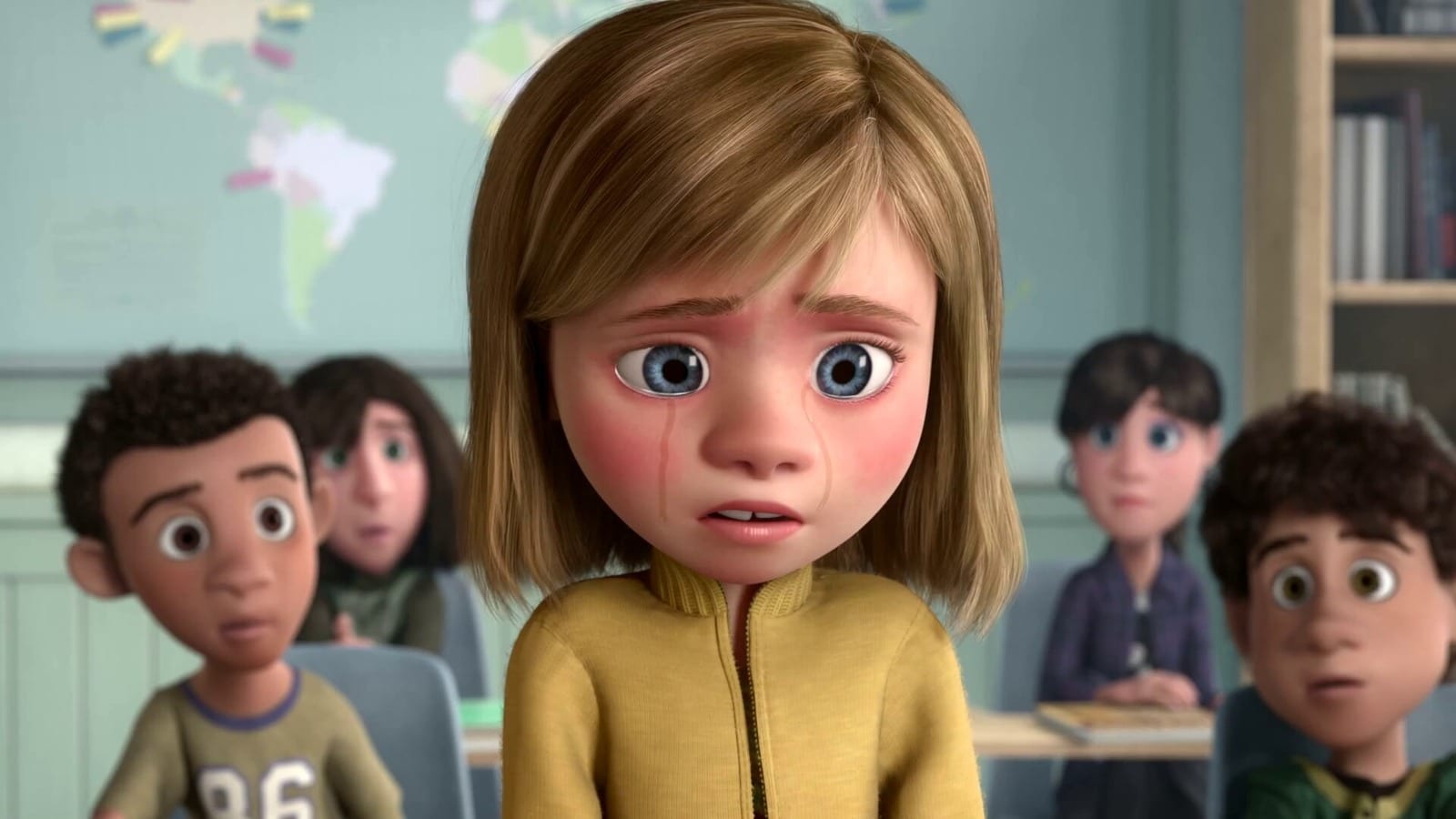
    Pixar’s «Inside Out» offers an insightful window into the complicated emotions of childhood. Of course, those inner complexities are boiled down to a specific selection of feelings, including Fear, Anger, Disgust, Sadness, and Joy. While a good way to tell the story, it’s no secret that real life involves a lot more than this quintet of feelings. It’s a fact that the creatives at Pixar are well aware of, which is why they considered a smorgasbord of additional members to Riley’s in-head team before giving them the axe — often because they were too dark or complex for the lighter, family-friendly tone of the film.

    According to the film’s director, Pete Docter (via USA Today), some of the candidates that were nixed during development included Despair, Depression, Envy, Pride, and Irritation. Greed and Gloom were also contenders who didn’t make the cut. Alongside Joy, Love was also considered, as well as Hope. In fact, Hope and Pride were the longest-running candidates who didn’t make the final list.

    Some of the emotions got really deep (and dark), too. Schadenfreude, the feeling of enjoying the experience of watching others suffer, was one of these. Ennui, the emotional reaction of dissatisfaction or listlessness, was also involved for a bit.

    How many emotions are there, anyway?

    One question that Docter and his team had from the get-go was how many emotions there are in the first place. The answer was surprisingly elusive, with Docter explaining that the supposedly scientific concept is anything but nailed down. Some scientists that they consulted with explained that there were 17 official emotions. Others kept the number closer to the film’s five, while still others claimed the entire concept of emotions isn’t real.

    The lack of a single answer was a blessing in disguise. It freed up the Pixar storytelling team to make up their own mind, which led to the lengthy list already discussed. In fact, 26 different emotional elements were ultimately considered for the film. In the end, though, Docter made the tough call to dramatically reduce that number to the final five. This kept the story streamlined and simpler to tell. Many of the more nuanced feelings also overlapped with one another, making it easier to incorporate them into the remaining characters.

    Inside Out 2 looks set to rectify the absence of so many emotions

    Five emotions was a good starting point to establish a childlike and trustful 11-year-old narrative for «Inside Out.» It left the room to explore the concept and properly introduce and develop Riley and her parents, too. Now that the foundation is laid, the film’s highly anticipated sequel, which takes place when Riley is 13 years old, is set to expand the emotional headcount right in time for puberty.

    The film’s trailer already introduced Anxiety (voiced by «Stranger Things’» Maya Hawke). The new character ends the clip with the foreboding line, «We wanted to make such a good first impression.» The line indicates that there are a lot more emotionally charged individuals coming down the pike. The final seconds of the trailer include the line «the feel good movie of 2024» where the word «good» flips through a menagerie of other feeling-focused words, including «embarrassed,» «envy,» and the surprising re-addition of «ennui.» 

    After the trailer dropped, Pixar came right out and confirmed that Embarrassment, Envy, Anxiety, and Ennui will be officially joining the lineup for the new film. While it’s a restrained number of additions considering the range of options available, it’s interesting that all of these — and Ennui, in particular — were chosen. Apparently, Pixar has decided that some of the bleaker emotions aren’t too dark for family-friendly viewing, after all.

    [ad_2]

  • The Ending Of The Iron Claw Explained

    The Ending Of The Iron Claw Explained

    [ad_1]

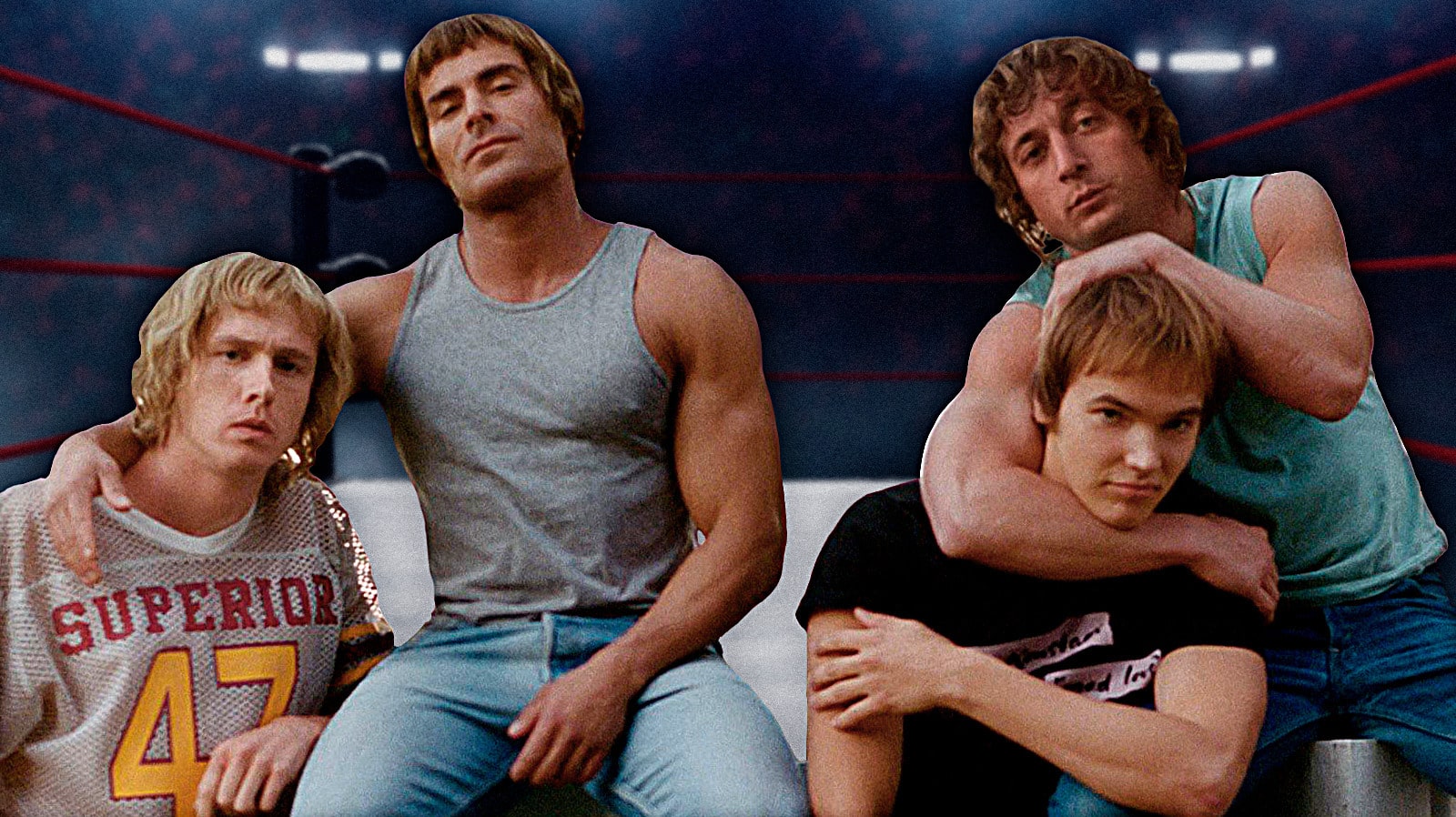
    Director Sean Durkin has spoken at length about the themes that inspired him to write «The Iron Claw.» As he told The Hollywood Reporter, he «wanted to tackle the sort of trappings of masculinity and the very toxic ideas about toughness and being a man and what they are and how to break those.» This fight to break — or even just survive — the perverse and fatally toxic influence of traditional masculinity is quite evident in Durkin’s portrayal of the Von Erichs, whose real-life story serves as a similar cautionary tale of emotional repression and abuse.

    For star Zac Efron, it was incredibly important that his portrayal be as truthful to the Von Erich’s experience as possible, his most important critic being the real Kevin Von Erich. «Over the course of filming this movie, [his opinion] was pretty much all I could think about,» he told THR. Though Efron’s performance perfectly supports Durkin’s interrogation of traditional masculinity, his perspective as an actor is more personal and psychological. «There’s a huge element of the movie that’s, of course, about wrestling and the showmanship aspect,» he told Entertainment Weekly. «But really, at its core, this movie’s an incredible story about family, love, loss, and ultimately the triumph of a man who tries to break the cycle of this crazy curse.»

    [ad_2]

  • Startup that helps law firms and VCs review deals wins new First Row Partners competition – GeekWire

    Startup that helps law firms and VCs review deals wins new First Row Partners competition – GeekWire

    Julie Saltman, CEO of Standd. (Standd Photo)

    Standd, a Washington D.C. startup that builds software to help lawyers and investors review deals, won the top investment prize at a new competition created by Seattle firm First Row Partners.

    The inaugural Ensemble Fund launched earlier this year, aiming to help educate startup investors while providing capital and advice to early stage startups.

    First Row spent six weeks reviewing 125 applications and ultimately handed the winning investment award to Standd, a Techstars Seattle grad founded last year that uses AI-fueled technology to streamline the deal review process.

    “I think First Row has really set the bar for helping folks bridge the gap between angel and VC investing,” said Jen Haller, chief of staff at Ascend, who participated as an individual investor.

    Minda Brusse, founding partner at First Row, said she was surprised and delighted at the momentum coming out of the new program, which included 17 investors, half of which were women. Most were high net worth individuals or representatives of small family offices.

    “So many of them are asking us to run it again because of the relationship building, organized and facilitated learning experience, and curated investor group,” Brusse said.

    Yoko Okano, left, and Minda Brusse. (First Row Partners Photo)

    Standd will receive more than $160,000 as part of the winning investment prize. The company is led by CEO Julie Saltman, a former lawyer and adjunct professor at Georgetown University Law Center. She co-founded Standd with Joell Stocchero and Stephen Solka.

    “Their team put a lot of thought into making this process transparent and helpful for founders – and that thoughtfulness paid off,” Saltman said of First Row. “Especially as a company working in the diligence space, we gained quite a few insights from working closely with our diligence team.”

    Founded in 2019 by Brusse and Yoko Okano, First Row Partners invests in pre-seed tech companies primarily in data and software. Brusse told GeekWire that the connections and relationships coming out of the Ensemble program will have “long-term impacts.”

    Ensemble is also designed to fill a gap in the Seattle startup ecosystem as other angel groups consolidate, and at a time when venture capital dollars are harder to find.

    “Seattle’s ecosystem was the nexus for building new connections across the U.S. for various investment groups, founders and investors,” Brusse said of the program in a post on LinkedIn.

    The program is also providing funding to three other finalists: Chicago-based Zenblen, San Francisco-based Nowadays, and Seattle-area startup ZILA BioWorks.

  • Sam Altman’s venture fund invests $3M in startup using humans and AI to keep people on task – GeekWire

    Sam Altman’s venture fund invests $3M in startup using humans and AI to keep people on task – GeekWire

    Shelpful co-founders, from left, Lydia Swift, Sharon Pope and Chris Morse. (Shelpful Photo)

    Shelpful, a Portland, Ore.-based startup that combines artificial intelligence and human empathy to help people stay on task and get stuff done, has checked a major item off its to-do list: the company has raised $3 million from Apollo Projects, the venture fund run by OpenAI CEO Sam Altman and his brothers.

    Shelpful — as in super + helpful — is designed to nudge members and provide reminders for any number of things, from taking medication, to getting some exercise, to knocking out simple projects, and more. Those nudges via text message are generated by both human accountability coaches — Shelpers — or an AI productivity assistant — HabitGPT. Or, both, in a three-way chat.

    The startup launched in 2021, when co-founder and CEO Sharon Pope was feeling a bit overwhelmed in the midst of the pandemic. A marketing vet who has worked at Y Combinator, Poppy and elsewhere, Pope was working at a startup and just had her second child. She felt like she was getting everything done for everyone else and nothing done for herself.

    “I was having that familiar feeling of just being last on my list,” Pope told GeekWire. “I needed a support system, like a little helper sitting on my shoulder reminding me to take care of me.”

    The service, which operates mainly over WhatsApp, starts working after members sign up and initially share what they’re working on and interested in. Shelpful’s tech generates core reminders based on those preferences and its AI or human helpers are proactive about reaching out each day.

    Pope said she was perfectly happy working at startups and never had a specific desire to start her own, but “it just felt to me like this didn’t exist and it needed to,” she said.

    Calling herself a non-engineering “hacky person” proficient in no-code product development, Pope joined forces with co-founders Lydia Swift, a college friend who was handling Microsoft PR at WE Communications, and CTO Chris Morse, who previously worked on Amazon’s Alexa.

    OpenAI CEO Sam Altman worked with Shelpful’s CEO Sharon Pope at the startup accelerator Y Combinator. (GeekWire Photo / Todd Bishop)

    After talking to friends in her network and posting about Shelpful on social media, word of what Pope was working on reached Altman — the two previously worked together at Loopt and startup accelerator Y Combinator, where Altman was CEO. She received a text — from one of the most powerful figures in tech and AI — in which Altman said he’d heard about her new startup and wanted to catch up.

    “We talked and he loved the idea,” Pope said. “He specifically said the element of having humans involved felt important to figure out. In the very beginning we were planning on including AI, and obviously there’s no way I could have known how soon that would be, and how great generative AI would be in that next short while.”

    The $3 million from Apollo Projects is Shelpful’s only funding thus far.

    “I’m very, very aware that my fundraising story is the exact opposite of every woman who has ever stepped foot in Silicon Valley,” Pope said. “And I’m exceedingly grateful for that.”

    Shelpful now offers three tiers of chat help: HabitGPT (AI) by itself for $35 a month; HabitGPT plus a human assistant for $65 a month; and HabitGPT plus Zoom coaching for $165 a month, in which users get the immediacy of AI, plus quality time with a coach who can talk through issues.

    HabitGPT is built on OpenAI’s GPT-4, so members can ask for suggestions and recommendations for such things as recipes or podcasts right in their chat. Members also can vent to the bot at any time and Pope said it’s responses are “surprisingly warm and comforting.”

    Shelpful’s HabitGPT chat bot sends reminders and suggestions to users via text message. (Shelpful Photos)

    Shelpful has been especially helpful for Pope, as she heard from users who said the product was a perfect tool to help with their ADHD. It led to Pope’s own late-age diagnosis of the neurodivergent condition. She also relied heavily on the tool to help her in April after she had a stroke in her eye and needed more support, including reminders on medication, to-dos, meal prep and more.

    After the three co-founders, the startup counts a software designer as its lone employee, along with about 20 contracted Shelpers.

    There are other companies, services and apps focused on helping people manage daily life in different ways, including Motion, a smart calendaring system; Inflow, which helps people manage ADHD; and Focusmate, a virtual body doubling service.

    “And there are accountability coaches who will be happy to charge you $300 a month to keep you on track,” Pope said.

    Shelpful is in the process of enhancing its AI capabilities to provide smarter, faster, and more intuitive services. Upcoming features include advanced habit and task completion reporting, as well as the exploration of AI-hosted Accountability Groups. Calendar integration is another possible addition. And Pope said an app may end up being built.

    Shelpful is not therapy, but it is therapeutic, and Pope believes there’s a lot of benefit from feeling heard and feeling like you have a support system, even if it is a bot.

    And while she’s continually surprised by what the AI side is able to do, Shelpful will continue to have a human component.

    “I think you’ll never beat the speed and efficiency of AI. It’s so powerful,” Pope said. “As the world gets more efficient with AI, I think that there will be an even more stark and apparent place for human touch. Humans will always need humans.”

  • Zack Snyder Reveals Whether He Would Direct A Live-Action Fortnite Movie

    Zack Snyder Reveals Whether He Would Direct A Live-Action Fortnite Movie

    [ad_1]

    When it comes to video games that deserve movie or TV adaptations, «Fortnite» probably isn’t at the top of many people’s lists. While there is a story mode and a certain amount of lore within «Fortnite,» a lot of people seem to utilize its «Battle Royale» mode primarily, where 100 players are dropped onto a map. They must scavenge for resources and weapons while eliminating other players. A movie could definitely incorporate some of the story elements, but it seems like much of the plot would center around a «Hunger Games»-esque competition with a last-man-standing conclusion. 

    Despite Zack Snyder’s comments, gamers probably shouldn’t expect a live-action «Fortnite» movie or TV show any time soon. Epic Games CCO Donald Mustard gave Collider his thoughts about adapting «Fortnite,» saying, «I wanna do stuff that always just feels authentic and is a great story. And so, it’s not something we’re actively working on right now. I’m not gonna say it would never happen … I know exactly the story I’d want to [do], but it’s not the focus right now. I don’t have time.»

    If or when a «Fortnite» movie emerges, there’s also the question of whether Snyder could feasibly direct it. He’s an in-demand filmmaker who’s launching a new franchise at Netflix with «Rebel Moon,» which already has spinoffs in the works. Given Snyder’s love of the game, however, perhaps he’d find the time if Epic Games came calling. 

    [ad_2]

  • el mejor portátil de Apple también es el mejor preparado para la IA – HoyEnTEC

    el mejor portátil de Apple también es el mejor preparado para la IA – HoyEnTEC

    Hay quien piensa que las nuevas tecnologías deben convertirse en otra cosa para ser innovación. Que deben cambiar para salirse de su espacio tradicional, que olvidemos lo que eran para ser irreconocibles de su forma original. La innovación no sólo consiste en que los dispositivos cambien, sino en cómo pueden cambiarnos a nosotros.

    Apple no cree en las metamorfosis que convertirían cualquier producto en cualquier otro sólo por dar apariencia de modernidad. Si hubieran pensado de esa forma, el iPhone hoy en día sería un iPod con teclado para hacer llamadas. Sin embargo, el reproductor musical tuvo su ciclo de vida, hasta que fue sustituido de forma natural por otro. Precisamente, un revolucionario nuevo teléfono de Apple.

    Cuando miramos a los Mac muchos miran qué se debe añadir a su receta para cambiarlos, para convertirlos en otra cosa. Sin embargo, en Cupertino piensan que las cantidades son correctas, y se dedican en mejorar – y mucho – los ingredientes. No añaden nada radicalmente nuevo al menos en apariencia pero consiguen que lo que hacen, sea mucho mejor – consiguen llegar más lejos. Este MacBook Pro M3 Max es la perfecta definición de esa realidad.

    La apariencia física de este nuevo MacBook Pro continúa con el diseño que comenzó, tal como vimos, en Febrero de 2022 con el MacBook Pro M1 Pro. Las diferencias con aquel modelo son mínimas, pero bastante notorias.

    Analisis Macbook Pro M3 Max Applesfera 032

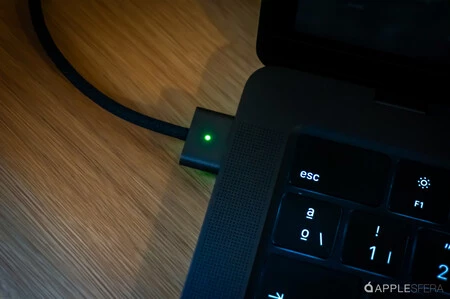
    Estos MacBook Pro son un reflejo de lo que los usuarios llevaban años pidiendo a la compañía: más puertos, más conectividad, incluso el regreso de un MagSafe de tercera generación que muchos ya dábamos por perdido. Una ranura para tarjetas SDXC utilísima para quien no quiere llevar “dongles” e incluso un oportuno puerto HDMI.

    Analisis Macbook Pro M3 Max Applesfera 041

    Con un color algo más oscuro que el gris espacial, pero tampoco definitivamente en negro radical, la apariencia tiene ese definido equilibrio entre Pro y ordenador del día a día. Los materiales de construcción, como ya comentamos en modelos anteriores, son imbatibles en el mundillo de portátiles.

    Este modelo además lleva un tratamiento antihuellas que evita las marcas de los dedos al usar el portátil, aunque esto no incluye el teclado. Después de un mes de pruebas he notado muchas menos marcas del día a día al tocar el “cuerpo” principal del portátil, y aunque no las elimina completamente, es notable el cambio sobre todo en un color oscuro como este nuevo negro espacial.

    Creo que pasaremos muchas generaciones con este diseño porque es un acierto con pocos puntos débiles: ranuras de ventilación laterales pero situadas en la base, una bisagra generosa – marca de la casa – para la pantalla, y un espectacular diseño unibody que juega otra liga con respecto a la competencia.

    Pantalla, sonido, batería: ases en la manga

    El resto de aspectos de diseño se mantienen desde la generación M2, pero aún así quiero destacar la importancia de mantenerlos en este nuevo modelo. Sin ninguna duda, la pantalla es la más espectacular que podemos encontrar hoy en día en portátiles. No hay más que abrir la tapa y mostrar alguno de los más de 160 salvapantallas aéreos de la pantalla de acceso, en movimiento.

    La calidad de imagen sigue siendo uno de los puntos clave para decidirnos por uno de estos MacBook Pro, sobre todo si nos dedicamos a un trabajo que necesite fidelidad de color o pensamos pasar mucho tiempo delante de la pantalla. Por supuesto, el uso inteligente de ProMotion (los 120hz en el mundo Apple) gracias al sistema operativo mejoran aún más la experiencia sin que impacte en la batería.

    El consumo energético es algo que en estos modelos M3 se ha tenido muy en cuenta. Se equilibran, por ejemplo, los núcleos de eficiencia y rendimiento (6 y 6), mientras que en los modelos anteriores se contaban con 4 y 8. En global, ambas generaciones parten desde 12 núcleos. Pero este cambio, en el día a día, no sólo es más eficiente – también nos aporta la potencia necesaria de forma más optimizada, ya que los núcleos de eficiencia son los que se usan por defecto. Por tanto, al contar con más de ellos, las tareas cotidianas o que no necesiten más esfuerzo tendrán más músculo.

    La batería continúa siendo un punto fuerte de estos modelos, llegando perfectamente desde las 8:00 a las 22:00 con más de un 15% de batería después de un uso completo en tareas de ofimática, música, vídeo y navegación – incluso forzándolo a mantener activa la pantalla encendida (con el brillo al 50%) durante todas esas horas. Estos números se mantienen entre generaciones, pero siempre conviene recordar que en realidad los mejoran año tras año, debido al consumo cada vez mayor de los nuevos procesadores que la contención energética de software y hardware continúa manteniéndolos a raya.

    El sonido también es – de nuevo – digno de mención en este modelo. No cambia con respecto a la generación anterior pero la calidad de los tonos tanto en música como en videoconferencias es espectacular. Perfectamente puede llenar una habitación mediana a todo volumen, manteniendo la claridad tanto en agudos como potenciando los graves. Sin duda el trabajo en este diseño viene de los aprendizajes del mundo de los AirPods y HomePod.

    Las pruebas después de un mes de uso

    Analisis Macbook Pro M3 Max Applesfera 035

    La mejor forma de explorar este nuevo portátil y sobre todo, el nuevo procesador M3 Max es probarlo en todos los ámbitos. Las primeras pruebas básicas con alguno de los benchmarks sintéticos más populares ya las vimos en el artículo de primeras impresiones que publicamos hace un mes. Durante todos estos días, lo he probado en más facetas que vamos a ver a continuación.

    Verificamos también la temperatura en la zona más caliente de la carcasa, para comprobar si en algún punto es incómodo en contacto con el usuario. Esta zona es la parte superior de las teclas de función del teclado – y con el ordenador funcionando en modo reposo y una temperatura ambiente de 23 grados, esta zona la encontramos a 36,6 grados – una temperatura normal en números y en tacto.

    Analisis Macbook Pro M3 Max Applesfera 026

    Empezamos con GFXBench, un proceso de pruebas similares a videojuegos para probar las capacidades de las nuevas APIs gráficas del sistema. Los nuevos chips M3 de Apple contienen mejoras gráficas importantes, como el acelerado mediante trazado de rayos por hardware y un almacenamiento en caché dinámico para optimizar la memoria y mejorar el uso de la nueva GPU.

    Analisis Macbook Pro M3 Max Applesfera 001

    En las pruebas con este benchmark, que se mantiene con pruebas clásicas y nuevas pruebas para la generación actual, se consiguen entre 120fps y 186fps si se utiliza la API gráfica más moderna. Unos números muy buenos que nos ponen en contexto de la potencia gráfica del nuevo Mac – más en sintonía con los juegos que nunca.

    Si revisamos la estadística donde nos sitúa nuestra prueba entre la media de las pruebas del resto de usuarios, vemos que el M3 Max se sitúa como uno de los mejores entre el 11% de todas las pruebas – lo cual es la mejor cifra para un Mac portátil que hemos visto hasta ahora.

    Analisis Macbook Pro M3 Max Applesfera 002

    Veamos con Twinmotion, un software de diseño arquitectural en 3D muy potente, como es el uso en tiempo real de escenas muy complejas. Para la prueba, utilizo una de las plantillas más complicadas y navego por ella durante varios minutos, utilizando también el modo “presentación” del software para saltar entre distintas escenas.

    El movimiento en Twinmotion con M3 Max es suave, de media consigue unos cómodos 70 fps en los momentos con más polígonos simultáneos en pantalla (en el momento de la captura, habían más de seis millones en tiempo real). También aplica a los efectos de partículas que se mueven e interactúan con el resto de elementos sin ralentizaciones o saltos.

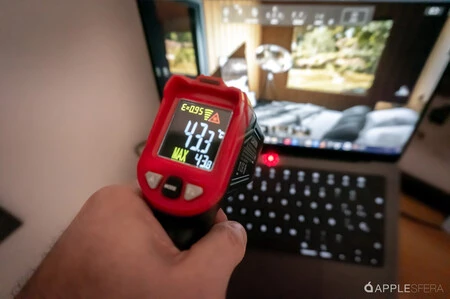
    Precisamente con esta prueba noto como los ventiladores se activan, lo que significa que está aumentando la temperatura al necesitar más capacidad de proceso. Para ello, vuelvo a comprobar la temperatura en la zona exterior viendo que llega hasta los 44 grados aproximadamente (no nos afecta de ninguna forma para el uso).

    Analisis Macbook Pro M3 Max Applesfera 027

    El Mac en el día a día es tremendamente silencioso, los ventiladores sólo se activan en situaciones muy extremas y dependiendo obviamente de la temperatura ambiente. Con las pruebas de Twinmotion, mido el pico de sonoridad de los ventiladores de cara al usuario, el cual llega hasta los 56.2 decibelios, muy poco molesto ya que la medida de una habitación en silencio es de aproximadamente 40 decibelios.

    Analisis Macbook Pro M3 Max Applesfera 028

    Cambiamos de ámbito y pasamos a Logic Pro – para probar no sólo la GPU, también la potencia al completo de los 40 núcleos de CPU de este modelo. Para hacer el test, utilizo un proyecto con más de 302 instrumentos reproduciéndose simultáneamente en tiempo real – una cifra a la que nunca había llegado en una review.

    Analisis Macbook Pro M3 Max Applesfera 005

    Si además os interesa el mundo del desarrollo en este mismo modelo, las pruebas en este M3 Max también son muy buenas: utilizando XcodeBenchmark, un test que mide el tiempo de compilación de un proyecto extremadamente complejo, llegamos a los 79 segundos. Un muy buen tiempo teniendo en cuenta que incluye más de 76 librerías y sus dependencias – además, en la versión probada está preparada para la última versión Xcode 15.

    Analisis Macbook Pro M3 Max Applesfera 006

    Apple apuesta con los nuevos M3 y su aceleración gráfica en el gaming para Mac. La marca quiere que los juegos vuelvan a la plataforma y para ello está dando pasos firmes, como la creación de una herramienta en Sonoma para que los desarrolladores puedan traer sus juegos de Windows de forma sencilla al Mac. También en lanzamiento de juegos “triple AAA” que llegan a la plataforma, como Resident Evil Village (que ya probamos en las primeras impresiones con este Mac).

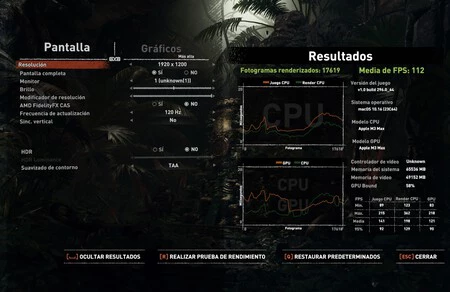
    Para tener otros resultados, he probado con Shadow of the Tomb Raider – así podemos comprobar la evolución respecto a otros Macs de la gama utilizando su capacidad de pruebas nativa. En esta ocasión, situando los gráficos en su configuración “Más alta”, se alcanzan fácilmente de media los 112 trames por segundo.

    Analisis Macbook Pro M3 Max Applesfera 007

    Hablamos de que este año Apple quiere apostar con los Mac para el gaming, y resulta que el denominado juego del año 2023 es Baldur’s Gate III – el cual está disponible y optimizado para Apple Silicon. Para probarlo, he utilizado el Metal 3 Performance HUD – que como veis en pantalla muestra el rendimiento en tiempo real de los gráficos en pantalla.

    MacBook Pro M3 Max: una nueva cima para la gama alta

    Analisis Macbook Pro M3 Max Applesfera 021

    La llegada de los nuevos M3 tiene como gran novedad las nuevas capacidades gráficas, siendo un procesador que evoluciona la gama anterior M2. El M3 Max es el chip que más se aleja de su predecesor en cuanto a rendimiento, tal como nos indican las pruebas, pero está indicado para los profesionales que necesiten rendimiento y potencia en movilidad, partiendo desde los 4.049€.

    El modelo de entrada M3 es el más flojo de la gama. Un MacBook Pro – aunque sea de entrada ($2.099) no debería comenzar con una RAM de 8GB (aún utilizando la arquitectura unificada). Si optáis por este modelo, es imprescindible ampliar la memoria a mínimo 16GB ($250) para aumentar la vida útil del sistema con aplicaciones más exigentes.

  • Illumination Reportedly Wants Avengers-Style Project After Mario

    Illumination Reportedly Wants Avengers-Style Project After Mario

    [ad_1]

    As viewers who watched «The Super Mario Bros. Movie» will recall, the film begins with the prospect of multiple interconnected universes. This is how Mario (Chris Pratt) and Luigi (Charlie Day) end up traveling from New York City to the Mushroom Kingdom in the first place. This isn’t the only way that the film has opened the door for the possibility.

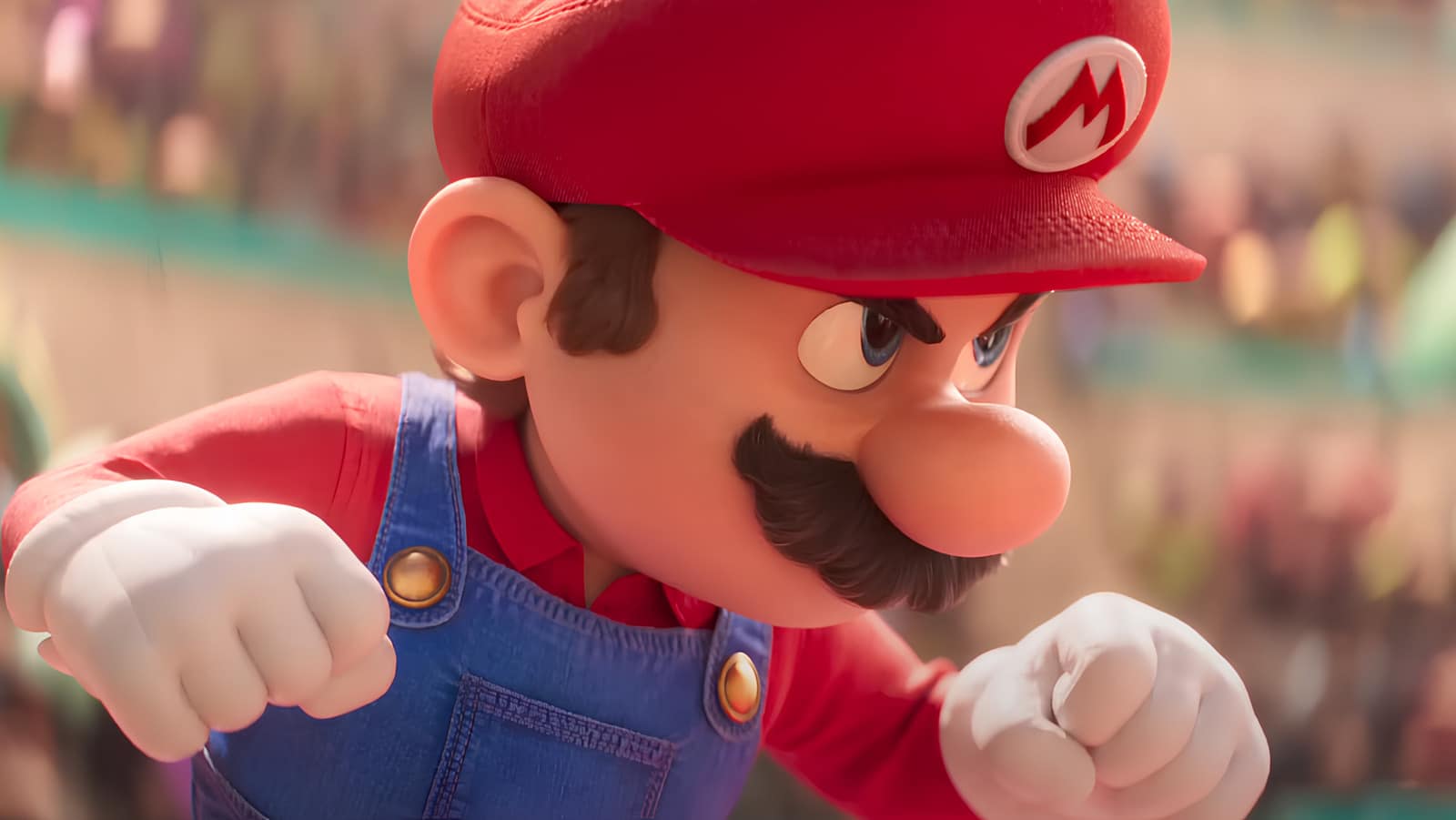
    «The Super Mario Bros Movie» also features a fight between Mario and Donkey Kong (Seth Rogen) that could serve two purposes for this potential plan. First, it shows a brawl between two well-known Nintendo characters. Second, it shows how different characters from other games can be pulled into a story where they relate to one another.
    Granted, Mario and Donkey Kong debuted in the same video game, but they are far more recognizable today for their franchises, «Super Mario Bros.» and «Donkey Kong Country.» With this in mind, the prospect of a «Super Smash Bros.» movie does seem like a real possibility.

    Whether the film would be framed as the heroes vs. the villains or with all of its roster members uniting against Master Hand is still up in the air, assuming the pitch bears out. Either way, it’s never been a more exciting time for gamers who want to see high-quality takes on their favorite franchises.

    [ad_2]

  • Is The Final DCEU Movie Fresh Or Rotten?

    Is The Final DCEU Movie Fresh Or Rotten?

    [ad_1]

    As a franchise, the DCEU has never been a critical darling. The series’ first entry, «Man of Steel,» famously received a lukewarm response from critics when it was released in 2013, still holding only a 56% Tomatometer score. In the following years, «Batman v Superman: Dawn of Justice» (29%), ‘Suicide Squad» (26%), «Justice League» (39%), «Wonder Woman 1984» (58%), «Black Adam» (38%), and «Shazam! Fury of the Gods» (49%) all went on to earn similarly rotten Tomatometer scores.

    «Aquaman and the Lost Kingdom» isn’t, in other words, the first DCEU film that has been received poorly by critics. The fact that the film has been sold as the final DCEU entry does make its 38% Tomatometer score a bit more noteworthy, as does the reception that its predecessor received five years ago. 2018’s «Aquaman» not only raked in over $1 billion at the worldwide box office, but it also received mostly positive reviews when it was released. It currently holds a 66% Tomatometer score, which isn’t high but is considerably better than its sequel.

    It remains to be seen whether or not «Aquaman and the Lost Kingdom» will be able to financially overcome its disappointing critical reception. Early projections have suggested that the «Aquaman» sequel’s box office opening is shaping up to be another superhero disaster this year. That’s disappointing for a number of reasons, not the least of which being that «Aquaman and the Lost Kingdom» will likely be the last DCEU adventure that fans ever see.

    [ad_2]

  • How Arthur Curry’s DCEU Storyline Ends

    How Arthur Curry’s DCEU Storyline Ends

    [ad_1]

    Looper’s review of «Aquaman And The Lost Kingdom» is largely critical, reflecting an predominately negative sentiment from professional reviewers overall. Since the DCEU is ending regardless of the critical response to the film, this reception has little bearing on the future of DC movies on the whole. But Jason Momoa himself may well end up losing out on his Aquaman role after «Aquaman 2.»

    James Gunn, notably, answered the DC Universe’s biggest question when he confirmed that some DCEU actors will reprise their characters even if their prior film work isn’t exactly canon. Gunn specifically listed Xolo Maridueña, who stars in «Blue Beetle,» as someone who will maintain his role in the new DCU. Momoa, however, seems to think his return is unlikely. «The truth of it is, I mean, if the audience loves it, then there’s a possibility,» he told Entertainment Tonight about a week before the «Lost Kingdom» premiere. «But right now, I’m like, ‘It’s not looking too good.’»

    If a positive reception is what it would take for Momoa to return in a future DCU film, then the emerging critical sentiment toward «Aquaman 2» may well spell doom for Momoa’s DC movie future, killing off his take on Aquaman despite the character surviving the events of «The Lost Kingdom.»

    [ad_2]

  • Pacific NW National Lab opens AI center to concentrate on science, security, energy – GeekWire

    Pacific NW National Lab opens AI center to concentrate on science, security, energy – GeekWire

    The Center for AI @PNNL aims to boost the lab’s use of AI for research. (PNNL Illustration / Chris DeGraaf)

    The Department of Energy’s Pacific Northwest National Laboratory is shining a brighter spotlight on artificial intelligence by creating the Center for AI @PNNL, but don’t expect the lab’s researchers to build a better chatbot.

    Instead, the center is meant to advance AI applications that boost PNNL’s capabilities in its traditional focus areas, including scientific discovery, national security and energy resilience.

    “The creation of the Center for AI @PNNL will leverage and amplify these capabilities for even greater impact in service of our nation,” PNNL Director Steven Ashby said today in a news release.

    Today’s announcement coincides with the annual Conference on Neural Information Processing Systems, or NeurIPS, which is taking place this week in New Orleans. The center’s creation serves as further evidence that AI tools are rapidly transforming a wide range of scientific and technical fields.

    “The time is right for PNNL to focus its AI-related efforts,” said Court Corley, PNNL’s chief scientist for AI and director of the new center. “The field is moving at light speed, and we need to move quickly to keep PNNL at the frontier.”

    Researchers at PNNL in Richland, Wash., are already taking advantage of AI to anticipate the course of hurricanes and wildfires, design new types of antiviral drugs, improve the operation of the nation’s electrical grid, build the next generation of batteries and protect against nuclear proliferation.

    Four years ago, PNNL joined forces with other institutions in a collaboration to develop core technologies for AI applications — and that work is continuing.

    The newly created center’s mission calls for fostering the development of an AI-ready workforce, deploying AI for daily operations at PNNL and exploring how humans and AI programs can best work together.

    Scientists at the Center for AI @PNNL will also work closely with the Department of Energy’s Office of Critical and Emerging Technology for the development of a national AI capability to develop safe, secure and trustworthy AI.

    “AI is such an integral part of the landscape at PNNL that it’s difficult to find an area that AI hasn’t touched,” Corley said. “With so much happening, it’s crucial to make collaboration easier and for people to come together to develop a lab-wide strategy to optimize everyone’s efforts.”

  • Does Aquaman 2 Set Up A Sequel

    Does Aquaman 2 Set Up A Sequel

    [ad_1]

    Appearing recently on «The Tonight Show Starring Jimmy Fallon,» Jason Momoa confirmed what the comic-book-movie-loving world had been expecting already. «This is kind of like the end of this DCEU universe, unless, you know, I mean, things have happened before,» the actor said. «There will always be a place for me at DC…They like me.» Whatever that place might be is unknown, but the popular thought is that Momoa could be taking on the role of Lobo in James Gunn’s new continuity. While it might seem like any further installments are an absolute no-go for the dramatically divisive DCEU, one director hopes his past contribution to the franchise will still see the light of day.

    Speaking to Total Film in December 2023, original «Suicide Squad» director David Ayer discussed how — much like Zack Snyder’s long-awaited director’s cut of «Justice League» — he has an unreleased version of his own ensemble movie. «It’s coming. Something’s going to happen,» Ayer said. «Something’s going to be revealed. The truth always comes out. It always comes out.» We can wait to see if it ever does, but for now, the cinematic universe it’s a part of has stopped turning, and a brand new one is just about to warm up.

    [ad_2]