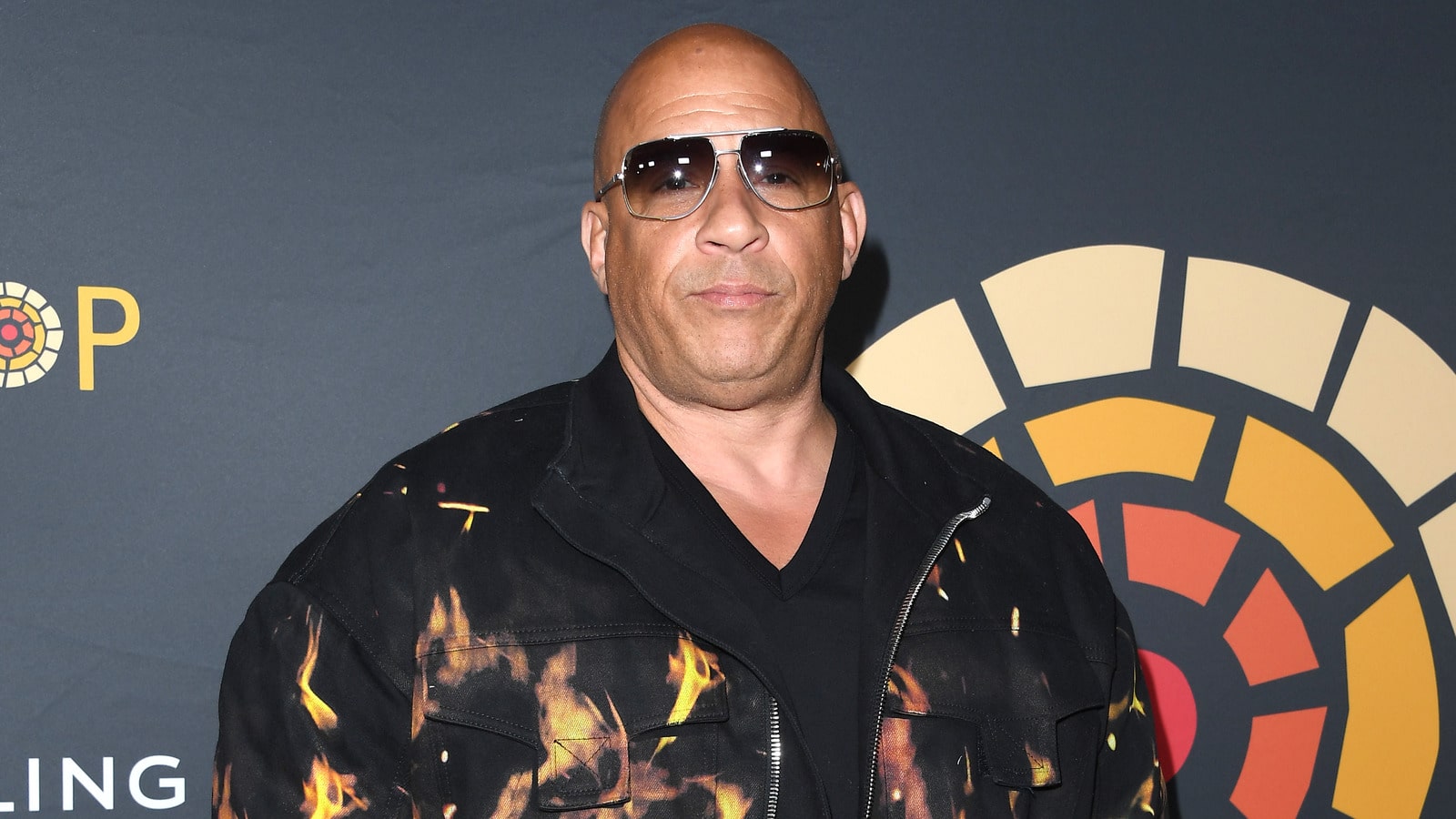
The lawsuit against Vin Diesel details his alleged assault of Asta Jonasson. According to the claim, Diesel was cavorting with hostesses working at the Havana Club in Atlanta and returned to his hotel room at the city’s St. Regis. After the women departed, Jonasson had to speak to the actor alone in his hotel room. When she tried to get Diesel to answer one of many phone calls placed by hotel security, she alleges that he grabbed her wrists and essentially wrestled her onto the bed. Jonasson claims that she was able to get away from that situation because Diesel was extremely intoxicated, but he continued to follow her throughout the hotel suite. «Vin Diesel was her supervisor, was physically larger and stronger than Ms. Jonasson, and Ms. Jonasson was afraid for her personal safety and job security if she were to anger him,» the lawsuit reads.
«Vin Diesel proceeded to grope Ms. Jonasson’s body, including her breasts, and forcibly kissed Ms. Jonasson, who continually pleaded with him to stop,» according to the suit. «Vin Diesel ignored her pleas and started to kiss Ms. Jonasson’s chest and collarbone.» After more extremely inappropriate alleged behavior, Diesel exited the suite. The next day, Jonasson says she received a phone call from Samantha Vincent and was fired from her position as Diesel’s assistant.
«The message was clear,» the suit reads. «Ms. Jonasson was fired for courageously resisting Vin Diesel’s sexual assault, Vin Diesel would be protected, and his sexual assault covered up.»
As of this writing, Diesel’s representatives have not provided a comment to Rolling Stone.
If you or anyone you know has been a victim of sexual assault, help is available. Visit theRape, Abuse & Incest National Network websiteor contact RAINN’s National Helpline at 1-800-656-HOPE (4673).
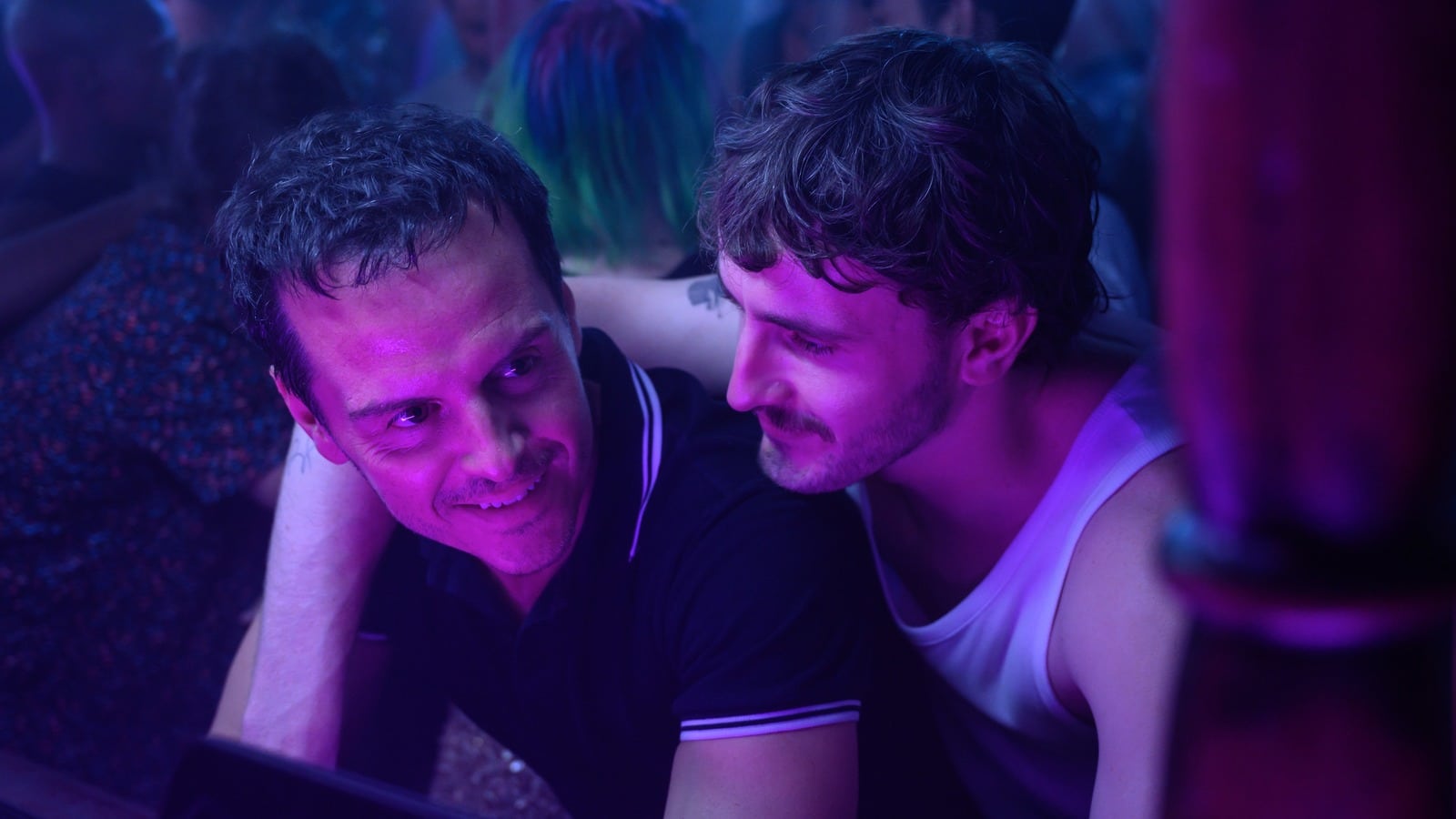
Andrew Haigh's "All of Us Strangers" grapples with grief, loss, and loneliness in a profound way, tackling its themes while avoiding trite narrative devices.
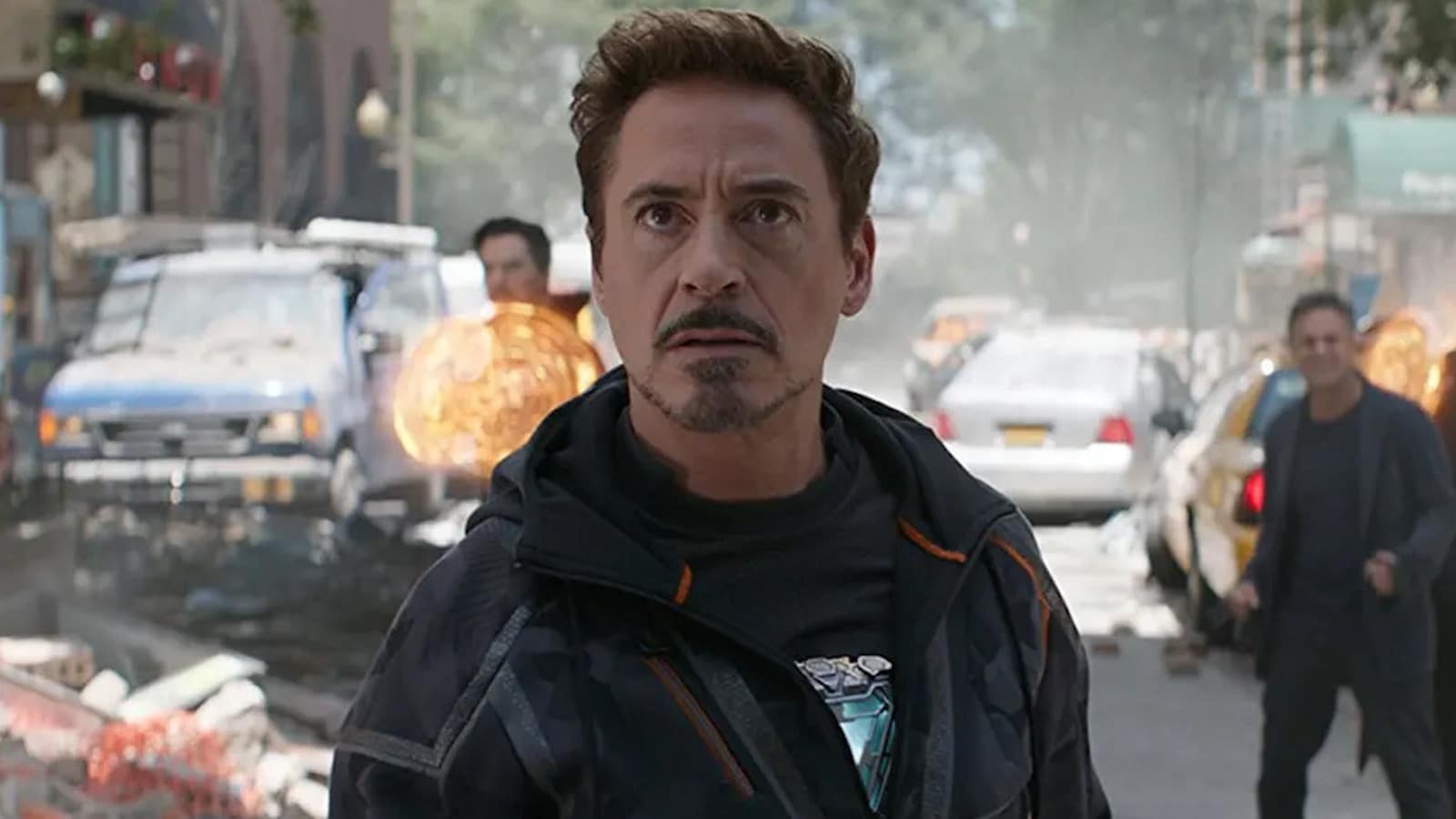
In the end, the conversation erupting around the slight alteration of Tony Stark’s facial hair actually serves to emphasize how well Anthony and Joe Russo executed the first half of the massive Marvel Cinematic Universe project that is the final showdown with Thanos. «Infinity War» faithfully and effectively delivers on the multiyear buildup that leads to Thanos’ arrival, pitting a crowd of vigilante good guys against a stop-at-nothing zealot and leaving viewers gutted by one of the most dramatic closing sequences in cinematic history.
As u/Motor-Anteater-8965 conceded in a follow-up comment, chances are, the mustache error in question is a result of having reshot the scene weeks or even months apart, with other users pointing out that Peter Parker’s (Tom Holland) hair changes on Ebony Maw’s (Tom Vaughan-Lawlor) ship too.
Redditor u/DefNotAShark concluded, «Doesn’t really take me out of the movie (especially this movie) but it’s fun to spot.» It’s a fair observation. These kinds of minor changes only reinforce how well certain films pull viewers into the suspension of disbelief — a state of mind that is shattered when that extra mustache hair becomes impossible to ignore. For now, we’re just going to go with u/BattlingMink28’s in-story explanation: «He was just stressed.»
La autonomía de nuestro móvil Android ha mejorado en relación a hace unos años. El avance del software, unido a un hardware más eficiente y optimizado lo han permitido. Sin embargo, si exigimos algo más de la cuenta a nuestro smartphone, seguramente veamos un consumo excesivo y no lleguemos al final del día.
Los culpables pueden ser la pantalla, las altas temperaturas, e incluso podría ser esa aplicación que no usas. Pero lo cierto es que aparte de señalar a uno, hay cuatro elementos que conforman lo que llamamos «el cuarteto de la muerte». Te contamos cuáles son y cómo puedes ahorrar batería realizando una correcta configuración.
Aplicaciones en segundo plano y mal optimizadas
Es natural que acumulemos decenas de aplicaciones instaladas en nuestro móvil, a todos nos pasa y no debemos desesperarnos si en tal caso, notamos que hay un consumo de batería anómalo. El motivo, como seguramente estés pensando, son esas aplicaciones.
Cuando abrimos una aplicación, esta puede ejecutar procesos en segundo plano necesarios para su funcionamiento. Ya sean procesos para que lleguen las notificaciones push, o bien para refrescarse, es habitual que algunas apps lo hagan incluso después de que las cerremos. Quizá no lo notemos en un móvil recién estrenado, pues suele estar más limpio que meses después, pero a la larga será un aspecto determinante.
Aplicaciones como Facebook o Instagram (sí, a Meta le gusta devorar nuestra batería) terminan consumiendo batería por este motivo, y aunque es complicado recomendar su desinstalación, siempre podemos optar por alternativas. En caso de que no nos quede más remedio, podemos usar estos servicios desde la web, a través de nuestro navegador de cabecera.
De igual manera, una app que se comporta de manera ‘normal’ puede convertirse en una auténtica devoradora de energía. ¿Por qué? Pues porque tras una actualización hayan tocado algo que no debieran, o haya un proceso que se haya quedado pillado. Nos percataremos de ello yendo a los ajustes de batería, los cuales nos informan sobre las apps que más han consumido. Cabe mencionar que nuestro sistema favorito permite limitar las aplicaciones de Android.
En este caso, la solución podría ser volver a una versión anterior. Algo que es posible hacer desde Ajustes > Aplicaciones, a expensas de esperar una actualización que arregle la app. También es importante echarle un vistazo a nuestra app de música favorita: no sería la primera vez que dejo audio en reproducción con el volumen al mínimo. Spoiler: sí, en unas horas habrá supuesto un consumo abultado.
Vigila las conexiones y aplica estos cambios el WiFi
Esta recomendación es tan vieja como el mismo planeta, o quizá no tanto, pero sigue siendo bastante recurrente y sobre todo, útil. Toda conexión que llevemos habilitada, como el WiFi, los datos móviles e incluso el Bluetooth crean un consumo energético necesario para alimentar los componentes de nuestro móvil que lo posibilitan.
En circunstancias normales, es conveniente mantener únicamente la conexión que estemos usando: en casa el WiFi, en la calle el Bluetooth para conectarnos a nuestro smartwatch, durante una ruta en coche el GPS… y ya. No es para nada mala costumbre bajar los ajustes rápidos cada vez que terminamos de usar el móvil, para así no olvidar conexiones activas.
En relación con la popular conectividad WiFi, hay dos opciones que pasan desapercibidas y pueden acarrear problemas de batería. Algo similar sucede con el Bluetooth, que tenemos motivos de sobra para apagarlo cuando no lo estemos usando.
Revisar lo que sincronizamos puede ayudar
La sincronización es un elemento casi imprescindible: nos permite mantenernos al día sin necesidad de ir actualizando todo. De hecho, es el motivo por el que tu bandeja de Gmail recibe nuevos correos, y también por el que tus contactos siempre están guardados aunque inicies sesión en otro teléfono.
No obstante, la sincronización en Android levanta procesos en segundo plano que además se conectan a Internet para obtener la información. No sólo ocurre con las aplicaciones mencionadas anteriormente, sino que otras como WhatsApp, Telegram e incluso Twitter X la tienen. Todo servicio que permita almacenar información del usuario, suele tener la opción de sincronización.
Personalizarla se antoja ideal, para así dejar únicamente la sincronización activa en aquellas aplicaciones que resultan básicas. Es más, si no somos despistados y no necesitamos refrescar constantemente nuestros datos, podemos desactivarla por completo. Así, cuando haya algo nuevo e importante, acudiremos a Ajustes > Contraseñas y cuentas, y forzaremos la sincronización manual.
El brillo automático puede jugarte una mala pasada
Aunque utilizar el brillo automático nos evita muchos toques en pantalla a lo largo del día, el sensor que se ocupa de calcular la luz ambiental puede fallar. No sólo eso, sino que el software también puede mostrar problemas para nivelar el brillo en ciertas circunstancias. Esto dependerá en gran medida de tu móvil Android, pero a pesar de ser lo más cómodo, también es lo más derrochador.
Por ello, con problemas aparentes de batería y siempre que veamos un consumo excesivo de ‘Pantalla’ en los ajustes de Android, se hace una alternativa bastante viable. Lo malo de perder el brillo automático es que deberemos ajustarlo manualmente, pero cuando te acostumbras es casi mejor. De paso, evito deslumbrarme antes de ir a dormir, y cuando estoy en la calle no subo el brillo más de lo necesario.
En relación con la pantalla hay otro aspecto bastante determinante. Nos referimos al encendido de pantalla con cada notificación. Si tu móvil no recibe muchas cada jornada, lo mismo es algo que no debemos tocar, en caso contrario será crucial. Para encontrar esta opción, debemos bucear en los ajustes de Android y dependerá, como cualquier otro aspecto, de la capa de personalización. Puedes ayudarte de la barra de búsqueda que aparece al inicio de la configuración.
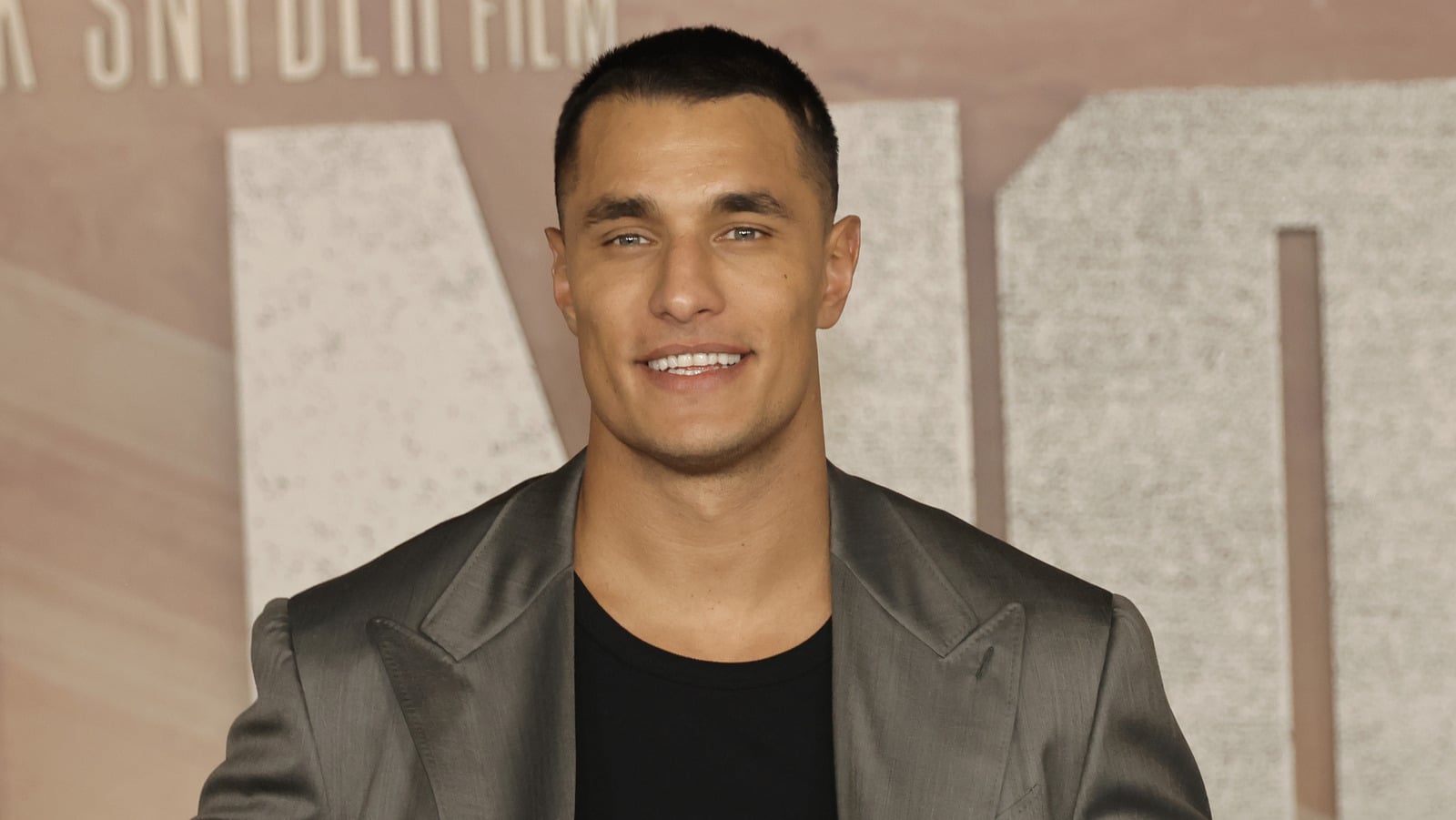
Tarak is introduced in «Rebel Moon» when Kora and her fellow rebels travel to the planet of Neu Wodi to recruit the warrior. Tarak agrees that forming a resistance against the Motherworld is a cause worth fighting for. «When you meet him in Neu Wodi, he’s, at his own volition, enslaved or entrenched in a debt. He could leave at any point. No one could stop him,» Nair explained to Looper. «He chooses, as a man of conduct and a man of noble stature, at least mentally, to do what he believes is right and at least hold himself to some level of compass — moral compass — despite his circumstances.»
Another interesting thing about Tarak’s physical appearance in «Rebel Moon» is that there’s a story behind his physical being that is yet to be come in April 2024’s «Rebel Moon: Part Two – The Scargiver.»
«When we find him topless, when he left his planet, and I can’t say too much because that’s ‘Part Two’ and stuff for you to find out, but he [at one time] was a clothed man,» Nair revealed. «Over the years, these little remnants, these pieces — these fragments of clothes, especially across the front — are fragments of his life, the fragments of his childhood, the fragments of the world he came from are from the world he lost. The top of business is also still rooted in a beautiful backstory of a man who is not willing to let go of the only things he can call home.»
Also starring Charlie Hunnam, Michiel Huisman, Djimon Hounsou, and Doona Bae, «Rebel Moon: Part One – A Child of Fire» is streaming exclusively on Netflix.
It shouldn’t come as much of a surprise that Catherine O’Hara earned the role of Sally in «The Nightmare Before Christmas.» Not only did she previously star in another Tim Burton vehicle with 1988’s «Beetlejuice,» but she was also featured prominently in another holiday hit with 1990’s «Home Alone.»
The film sees O’Hara star as Kate McCallister, the doting mother of the film’s young protagonist Kevin. When she and their large family unit travel to Paris and accidentally leave Kevin behind, she makes the long and arduous trek home to reunite with her son, coming across other quirky personalities along the way. O’Hara reprised the beloved role in the film’s 1992 sequel «Home Alone 2: Lost in New York.» Interestingly enough, both «The Nightmare Before Christmas» and «Home Alone» were officially inducted into the National Film Registry in 2023.
Following «Nightmare,» O’Hara’s resume became stacked with various voice acting roles in films such as «Chicken Little,» «Monster House,» «Over the Hedge,» «When Marnie Was There,» and most recently Pixar’s «Elemental.» In 2012, she reunited with Burton on the stop-motion horror comedy «Frankenweenie.»
Ray, you had the great benefit of working with Zack Snyder on the brilliant Snyder Cut of «Justice League,» the proper cut. How thrilling was it to get a call from Zack again, for «Rebel Moon»?
Ray Fisher: I was ecstatic. I told him, «Sign me up!» Zack and I have a really awesome shorthand and I’ve admired his work. Even prior to getting to work with him, I’ve admired his work for years, and being able to jump into the saddle with him in this brand-new IP, this brand-new world, the brand-new universe — not even a world — a universe that he’s bringing to life, it’s amazing.
E. and Cleopatra, did Ray share the excitement of how great it is to work with Zack ahead of time?
Cleopatra Coleman: Yes, he did. Ray and I had coffee early on to get to know each other, because we were going to be playing siblings, and it was really cool to get an insider’s opinion on what it’s like to work with Zack and be on one of his sets.
What about you, E.? Did Zack live up to the expectations that Ray presented to you?
E. Duffy: Yeah, absolutely. Ray shares the spirit of Zack, which is super passionate, super good at what he does, and really welcoming. A total leader. I felt so lucky when we met each other in the gym, and I felt quite guided by Ray the whole time.
Wizards of the Coast was founded in Renton, Wash., in 1990. (GeekWire File Photo / Kurt Schlosser)
A new round of layoffs at Hasbro has impacted its subsidiary Wizards of the Coast, despite Wizards’ strong recent performance and its status as a linchpin for Hasbro’s overall revenue stream. The result could spell trouble for both companies as they head into 2024.
Hasbro announced Monday that it would eliminate an additional 1,100 workers throughout its global operations, as part of what CEO Chris Cocks called a “strategic transformation.” This was on top of previously announced cuts in January.
It was initially unclear as to whether those layoffs would hit Renton, Wash.-based Wizards of the Coast, which seemed like it might’ve been protected given its value to Hasbro’s portfolio.
As has been the case for the last couple of years, Hasbro’s gaming endeavors, led by Wizards of the Coast, have been the only consistently profitable part of the company. In its most recent earnings report, Hasbro wrote that its toy and entertainment segments are both losing money, while its Gaming segment’s revenue grew by 40% in Q3 2023.
Despite that success, reports this week indicate that at least 20 employees of Wizards of the Coast and its own subsidiaries had been laid off.
Those affected, as per a list assembled by ComicBook.com’s Christian Hoffer, include Mike Mearls, Magic: The Gathering director and former Dungeons & Dragons creative director; Amy Dallen, D&D Beyond host and producer; Eytan Bernstein, D&D senior development editor; Larry Frum, senior communications manager; and Bree Heiss, D&D art director. Some employees also opted, according to an internal memo from Cocks, to voluntarily accept early retirement.
At time of writing, it’s unclear why Hasbro’s chosen to lay off employees at the single strongest company in its portfolio. This year, Wizards debuted a critically if not commercially successful major motion picture, earned a Game of the Year trophy at the 2023 Game Awards, and was consistently profitable, but Hasbro’s still sacking its employees. It’s the sort of math that only makes sense if you’ve got shareholders to placate.
Hasbro’s official Q3 report, released Oct. 26, shows rising revenues for Wizards of the Coast at a point in time when its other departments are slowing down. (Hasbro filing)
The dismissals at Wizards play into a disturbing trend across game development and related fields throughout 2023. Over 9,000 developers worldwide have been dismissed over the course of the year, as per independent tracker VideoGameLayoffs. Since there are a couple of studio closures that aren’t yet on VGL’s list, that number could easily break the 10,000 mark by New Year’s Eve.
The traditional impact of these sorts of layoffs on video game studios has been to tank morale and destabilize the business. If overwhelming success can’t protect your company from cuts, then the smart response from workers is to take your talents elsewhere. We’ve seen that happen in the Pacific Northwest with companies like Bungie, 343 Industries, and Amazon.
On the other hand, Wizards of the Coast is in a unique position in its industry. While it does handle a lot of video game development right now — it just debuted the first project from its Texas studio Archetype at this year’s Game Awards — Wizards dominates both collectible card games and tabletop RPGs. It’s got competitors, but most of them have a fraction of the audience and visibility of Wizards’ core franchises. Dissatisfied employees would seem to have nowhere to go but down.
As of this year, however, that may be changing, due to ongoing fallout from a recent controversy at Wizards.
For those who are coming in late: a leaked report in January suggested that Wizards was looking into ways to abolish the Open Gaming License, a public copyright notice that it adopted in 2000 to allow third-party developers to make new material for Dungeons & Dragons. After a couple of weeks of controversy, Wizards reversed course on that decision, but not before it triggered a series of reactions from its competitors in the tabletop gaming space.
Most notably, Redmond, Wash.-based Paizo Publishing announced it was spearheading a coalition of companies that would create a new, independent licensing agreement. The result, the Open RPG Creative License (ORC), was finalized in June and published on the website of Seattle legal firm Azora Law.
Paizo is an independent shop that’s built its own tabletop business around the Pathfinder series, which itself began as a heavily modified version of an earlier version of D&D. While D&D has a massive lead in both player population and brand recognition, Pathfinder is one of several competing products that got a huge boost in visibility after Wizards’ short-lived attempt to revoke the OGL. Paizo’s workforce also unionized in June.
For the last year, Paizo has been going out of its way to make itself look like a preferable alternative to Wizards of the Coast, for both players and professionals. Its audience is growing rapidly, thanks to dissatisfied D&D fans switching systems, and now it’s a union shop in the same state as Wizards.
With Hasbro’s most recent round of layoffs, there’s a real possibility we could see a brain drain from Wizards to Paizo and other independent shops in the Washington area, such as Kobold Press.
Wizards already has a packed schedule for D&D’s 50th anniversary in 2024, with a big rules update and several new projects in the wings. It’s positioned to have a good year. If Hasbro continues to treat Wizards this carelessly, however, it could bring D&Ds (and Magic’s) current boom period to a sudden stop.
All year long, rumors have circled «Aquaman and the Lost Kingdom» as being the final nail in the genre’s coffin; reports of poor test screenings, claims of several rounds of reshoots to both add in and remove more famous DC heroes (none of whom appear in this final cut), and a half-hearted marketing campaign all seemed to confirm the worst. The reality is different. The «Aquaman» sequel isn’t a disaster because it shows any signs of wear and tear — instead, this generic but largely functional tale suffers due to everybody onscreen clearly assuming this is the end of the road, all resigned to failure even as they’re shooting it. James Gunn and Peter Safran may be scrapping the DCEU and starting again from scratch, but it’s strange to see a film that’s already accepted this fate, devoid of any signs of life that would make the powers that be reconsider their decision.
Arthur Curry (Jason Momoa) is now the king of Atlantis — and he absolutely hates it. After taking the throne from his tyrannical brother, Orm (Patrick Wilson), he now struggles to balance a life in the ocean with one on land, but that all changes when Black Manta (Yahya Abdul Mateen II) poses a threat so grave that he has no choice but to step up. It certainly doesn’t help that he’s led human scientists (led by Randall Park) to their hidden world, determined to strip it of energy. You see, the survival of Atlantis requires the destruction of the Black Trident he holds, an object that yields a force so evil that it’s only furthering the catastrophic effects of climate change on the underwater kingdom. Arthur can’t stop this alone, so he sets out to free his brother — who, thanks to convenient screenwriting, he makes nice with almost immediately after they’re reintroduced.
My argument as to why superhero fatigue has taken hold isn’t entirely due to the oversaturation of the genre, but because caped crusader movies seldom seem to care about the fates of those on the planet they’re fighting to save. On paper, «Aquaman and the Lost Kingdom» appears to address this, connecting its far-flung aquatic empire with very real concerns about climate change on the surface. Their threat is the same one we face, and making that a critical plot point should give this DC sequel an urgency shared by no other superhero movie this year. Instead, the fate of humanity remains a mere concept, with the Council of Atlantis’ moral concerns about working with mankind to counter this threat not given any room to breathe.
It’s not like the film takes place entirely underwater, but the «surface world» enclaves that Arthur and Orm travel to are far removed from civilization — the only word about what’s going on over there comes in the form of heavy-handed news broadcasts about endless freak weather incidents. The world our heroes are attempting to save never truly comes into focus, and all the human drama revolves around the control of the underwater kingdom, discussed largely through passionless exposition; it’s easy to check out when there’s nothing tangible to hold onto.
Charlie Hunnam plays a Kai in «Rebel Moon,» a mercenary who joins Kora (Sofia Boutella) and her band of rebels as they fight the tyranny of the Motherworld. In a play for dominance, the Motherworld’s soldiers invade the moon of Veldt, where its sadistic leader, Admiral Noble (Ed Skrein), and his group immediately brutalize members of a peaceful farming settlement. Triggered by a specific attack on a vulnerable resident, Kora employs her lethal set of fighting skills, which raises a red flag to the Motherworld and forces the warrior to reveal her dark past.
«Rebel Moon» has a past of its own, as Zack Snyder originally pitched the story to Lucasfilm as something that could fit into the framework of its «Star Wars» universe. Lucasfilm passed, but the rejection galvanized Snyder to create a sci-fi epic of his own. As such, Hunnam was thrilled for the opportunity to become a part of something original in Hollywood without the baggage from an existing property hanging over his or his fellow actors’ heads.
«Because Zack had been dreaming of this universe for so long and knew it so thoroughly, all of the worrying was outsourced to Zack,» Hunnam said. «Once we showed up, we realized he wasn’t worrying at all — he was having the greatest time of his life, and he was inviting us in — and nobody needed to be precious. Nobody needed to be beholden to the script or any preconceived notion. It was chaos in the best way. I’ve very seldom been on a set that felt so free and so genuinely collaborative and all about the love of whatever we were doing in that moment.»
«Rebel Moon: Part One – A Child of Fire» is streaming exclusively on Netflix.
For those whose impression of French cinema is that it’s all some Parisian blend of sexy and sad, the deliciously fraught and wonderfully queer romantic drama «Passages,» full of knowing glances and long shots of people riding bikes through the streets of Paris, may not change their mind.
Directed by Ira Sachs on a script by Sachs and Mauricio Zacharias, «Passages» follows Tomas (Franz Rogowski) and Martin (Ben Whishaw), a film director and a printmaker, respectively, whose floundering marriage goes from dull to tense when Tomas begins an affair with a young woman named Agathe (Adèle Exarchopoulos). Through various standoffs and sexual encounters, the film explores the messy web that forms between these three, the kind of narcissism that can erupt out of creative spaces, and the ways that queerness changes — and doesn’t change — the way people move through intimate relationships.
Curious parallels to Sachs’ personal life aside, «Passages» doesn’t stray too far from the genre of sad romance that it inhabits, but the performances are so quietly visceral and Josée Deshaies shoots it all so beautifully that viewers won’t even notice. Though it achieved critical acclaim, its wide release was muzzled by an NC-17 rating from the MPA, by which Sachs is disappointed. «It’s really about a form of cultural censorship that is quite dangerous, particularly in a culture [that] is already battling, in such extreme ways, the possibility of LGBT imagery to exist,» he told the Los Angeles Times. Fortunately, this fantastic drama can still be watched on Mubi.
Even without Andy Serkis in the cast, the «Planet of the Apes» saga appears to be in good hands. While it’s unlikely that his motion capture performance as Caesar will ever be matched, a look at the teaser trailer for «Kingdom of the Planet of the Apes» promises an epic experience at least on par with the earlier entries. And according to Serkis himself, that doesn’t even scratch the surface of what the blockbuster has in store.
Speaking with Cinemablend last March, Serkis took a moment to praise the work that director Wes Ball and company had done on «Kingdom» up to that point. «I think Wes Ball is going to do an amazing job with this film,» Serkis shared. «From what I’ve heard and what I’ve seen, there’s some amazing conceptual artwork. And where they’ve chosen to land the story and take off with the next iteration, I think it’s gonna blow people’s minds.» Serkis stayed tight-lipped regarding any character or plot details, but his endorsement alone offers a sign that the series is headed in a positive direction.
Much will be riding on the success of «Kingdom of the Planet of the Apes,» as the film is intended to launch a new trilogy. Time will tell if the movie lives up to such lofty expectations, but it seems that even without Serkis starring, «Kingdom» is shaping up to be quite the event.
Jeff Bezos sat down for an extensive and wide-ranging discussion with Lex Fridman about his life, work, the future of humanity and what’s next for technology on an episode of the computer scientist’s popular podcast, published today.
At more than two hours, there’s a lot to absorb, and different members of the GeekWire team are currently at various stages of listening and reading. But one especially interesting and timely topic comes up closer to the end of the episode, when Fridman asks the Amazon and Blue Origin founder about artificial intelligence.
Bezos’ opening remarks on the subject stand out:
If you’re talking about generative AI, large language models, things like ChatGPT, and its soon successors, these are incredibly powerful technologies. To believe otherwise is to bury your head in the sand, soon to be even more powerful. It’s interesting to me that large language models in their current form are not inventions, they’re discoveries. The telescope was an invention, but looking through it at Jupiter, knowing that it had moons, was a discovery. My God, it has moons. And that’s what Galileo did. And so this is closer on that spectrum of invention. We know exactly what happens with a 787, it’s an engineered object. We designed it. We know how it behaves. We don’t want any surprises. Large language models are much more like discoveries. We’re constantly getting surprised by their capabilities. They’re not really engineered objects.
The comment underscores the fact that there’s much even the engineers of large language models don’t understand about where generative AI is coming up with its answers, or the ultimate limits of the technology.
Bezos says he’s ultimately optimistic about AI and humanity, acknowledging the risks but saying those who are overly concerned “may be missing part of the equation, which is how helpful they could be in making sure we don’t destroy ourselves.”
He’s also optimistic about AI and Amazon, in areas including Amazon Web Services and Alexa, saying the voice assistant is “about to get a lot smarter.”
Listen and watch the full podcast here, or jump directly to the part about AI.
Luckily, Nimoy had a change of heart and stayed with «Star Trek,» and as a result, he continued to create one of the most iconic characters in television history. While Nimoy couldn’t give Spock emotion, he was able to imbue the character with parts of his personal history. Perhaps Nimoy’s greatest contribution to the character was the Vulcan salute on «Star Trek,» which came straight from Nimoy’s childhood.
Nimoy, who was Jewish, told the National Yiddish Book Center in a 2013 interview that the salute was inspired by a visit to an orthodox synagogue in his youth. It’s there where Nimoy witnessed the Kohanim raise their hands in the sign of a letter from the Hebrew alphabet — the «shin» — which he would eventually introduce as the Vulcan «V» sign on «Star Trek.» Combined with his Vulcan greeting, «Live long and prosper,» Spock’s salute and saying forever became part of «Star Trek» lore.
Sadly, Nimoy died of end-stage chronic obstructive pulmonary disease at age 83 on February 27, 2016. Fittingly for his iconic character, Nimoy’s last words on social media would have made «Star Trek’s» Spock proud, as the actor posted on Twitter (before it became X) — «A life is like a garden. Perfect moments can be had, but not preserved, except in memory. LLAP.»
LLAP, of course, is the acronym for «Live long and prosper.»
Oleria, a Seattle startup helping companies manage employee access to applications and data, is raising more cash, according to a new SEC filing.
The filing indicates a fresh $30 million capital infusion. Former Mandiant COO John Watters and information security leader Taher Elgamal are listed on the filing. We’ve reached out to Oleria for details.
The company emerged from stealth mode earlier this year, announcing a $8 million seed round led by Salesforce Ventures, the VC arm of Salesforce.
Oleria is led by Jim Alkove, former chief trust officer at Salesforce and a former advisor for the World Economic Forum’s Global Center for Cybersecurity. Oleria co-founder Jagadeesh Kunda is the former chief product officer at Colorado-based cloud directory platform JumpCloud. Kunda also held engineering leadership roles at Salesforce, Amazon Web Services and Microsoft.
Long before taking on the titular grump of «Halloween Is Grinch Night,» Hans Conried established himself as a regular in bringing Dr. Seuss characters to the screen. Perhaps his most well-known Seuss role is that of the lovable elephant in the 1970 «Horton Hears a Who!» animated TV special. Helmed by «How the Grinch Stole Christmas!» director Chuck Jones, the story retells the beloved story of a kind-hearted pachyderm who does everything in his power to preserve the microscopic world of Whoville that resides on a flower.
For those only familiar with Conried’s villainous roles, his part as Horton, as well as the film’s narrator and Who scientist Dr. Harold Hoovey, offers a refreshing change of pace. Horton’s naive and innocent personality makes him instantly endearing and you root for him all the way through. Conried toned down the usual bombast quite a bit, but his more tender approach remained ever-effective.
In between «Horton Hears a Who» and «Halloween Is Grinch Night,» Conried narrated 1973’s «Dr. Seuss on the Loose,» which presented three animated adaptations of other classic Seuss stories such as «Green Eggs and Ham» and «The Sneetches and Other Stories.» The special saw Conried work alongside another Grinch voice actor, Bob Holt, who voiced the character in 1982’s «The Grinch Grinches the Cat in the Hat.»
Bradley Cooper isn’t the first director to have a supposed «No Chair» policy on his sets. When promoting «Dunkirk,» Mark Rylance mentioned how Christopher Nolan doesn’t like actors having chairs or water bottles on sets. A spokesperson for Nolan later clarified for IndieWire that the filmmaker does allow chairs; he simply chooses not to use his. Perhaps Cooper will provide additional clarification for his «No Chair» rule at a later time, especially with all of the mocking he’s received since the Variety interview came out.
Some people offered jokes, but others chose to voice genuine criticisms about not allowing people to sit when they need to. For instance, X user @glitterbrainz commented, «This is so ableist. The fact that he’s proud of this is sad.» A similar sentiment was shared by @theunquietbard, «The words of a man who is fully unaware everyone around him is an individual human and not inanimate toys to be maneuvered and placed.»
Some came to Cooper’s defense, saying how he’d more than likely allow someone with a medical condition or injury to sit when needed. But the issue goes beyond that. Some production days can go for 12 or 14 hours. Even if someone is perfectly healthy, they still deserve to sit when they have a chance. It’s not just Hollywood where this idea permeates; retail workers have long fought for their right to sit, particularly when it comes to performing cashier duties and other responsibilities where sitting doesn’t hamper their ability to work.
If Cooper doesn’t want to sit, that’s his prerogative. Regardless of what he publicly declares, hopefully, people can sit when they need (or want) to when working on his films.
Brandon Block is a reporter for Crosscut, where this story first appeared.
Mark Vasconi, director of Washington state’s broadband office. (Washington State Dept. of Commerce Photo)
Applying for a job, scheduling a doctor appointment or even ordering a beer now often requires internet access, yet many Americans — somewhere between 14 and 120 million, depending on whom you ask — still cannot connect to the web at home, or live in areas where service just isn’t up to the task.
The 2021 infrastructure bill has provided states with a once-in-a-generation chance to put billions of dollars into wiring up the nation’s most remote corners. That money is poised to fund massive buildouts by telecom companies large and small, as well as ports, public utility districts and public/private partnerships.
Mark Vasconi, the director of Washington’s four-and-a-half year-old State Broadband Office, will retire next month as the office prepares to direct $1.2 billion in federal funding toward network expansion projects that aim to reach some 260,000 unserved households statewide. The office must first finalize major decisions about what entities will be eligible for the funds, how to rank applications and how to ensure the long-term viability of the new networks by a federal deadline of Dec. 27.
Under Washington’s current draft proposal, applications will be scored on a 100-point system, with the strongest consideration given to applicants that can self-finance more than the minimum 25% of the project cost. Affordability will be another significant factor, with preference given to applicants that commit to charging future customers less than $75 a month. Other factors include fair labor practices, construction timelines and commitments from multiple retailers to offer service over new networks.
Largely de-emphasized in the draft rubric are letters of community support and consultation with local and tribal governments. In an email to Crosscut, Vasconi wrote that the office is reviewing public comments and scoring could change, but did not directly address criticisms from some commenters that community support was weighted too low.
Some advocates have argued that connecting hard-to-reach communities will require treating broadband as an essential public good similar to electricity — and empowering port districts and public utility districts to serve households directly. State agencies have responded to these calls in part by reforming a controversial process that disqualified grant applications from public utilities based on objections from large telecommunications companies like Comcast and CenturyLink.
Currently just one public provider, Jefferson County PUD, has announced plans to utilize a 2021 law change to serve consumers over its own network. After winning more than $50 million in grants for a major expansion, it plans to begin connecting households in rural Quilcene, near Olympic National Park, in February.
One of the first major challenges facing Vasconi’s successor will be shoring up the federal government’s spotty connectivity data — a task that will ultimately fall to local governments, nonprofits and tribes. Vasconi said an outreach effort last year identified some 67,000 locations statewide inaccurately listed as already having reliable internet service. That map data, whether it’s correct or not, will largely determine what areas qualify for federal funds and what areas get excluded.
As 2024 nears — the target date lawmakers previously set for connecting every Washington household — Crosscut asked Vasconi about why so many communities remain in the digital dark, the historic opportunity facing us now and how we can avoid repeating past mistakes. This interview has been edited for length and clarity.
Crosscut: Washington is about to receive $1.2 billion through the Broadband Equity Access Deployment (BEAD) program, maybe the most ambitious effort ever by Congress to address the digital divide. What do you think will be the biggest challenges or barriers to expanding broadband access in the next few years?
Vasconi: There’s going to be challenges with respect to supply chain, workforce, and there’s also a big challenge with respect to the amount of funding, as much as it is. So stretching that funding in ways, augmenting that funding with match support from particular applicants is going to be really important. Because without that, even though we are going to have $1.2 billion from the federal government and a state match, it wouldn’t surprise me to see the total cost necessary to provide internet for all in the state to be somewhere in the neighborhood of $2.2 or 2.5 billion. It’s also going to be a challenge because, given the costs that we see for an all-fiber network, we’re going to have to make some choices with respect to which locations are going to get fiber — and hopefully most will — but there are going to be some locations where we are going to have to use alternative technologies.
You’re talking about things like satellite or wireless?
I think principally fixed wireless, but I can certainly see in particular areas of the state where even fixed wireless is going to be cost-prohibitive. It may need to be some sort of lower orbiting satellite service to fill in those hardest-to-reach areas of the state.
As in many states, Washington’s plan relies on broadband service data from the Federal Communications Commission to determine what areas will be eligible to get connected and what areas get shut out. For many years, critics have said the FCC’s maps are inaccurate and that the agency has failed to hold large companies accountable for following through on previous taxpayer-funded buildouts. Do you agree with those criticisms and do you think current federal leadership is doing enough to ensure that BEAD does not succumb to these same flaws?
I agree with the assessment with regard to previous efforts. Clearly, original mapping efforts were wholly deficient. The most recent [mapping] effort that the FCC has gone through has been a big improvement over what we had historically seen. The challenge is, as you can well imagine, you’re trying to identify the service potential of every serviceable location in America. That’s probably somewhere in the neighborhood of, I don’t know, 100 million locations. It’s huge. So it’s always going to be difficult to do that down to a level that doesn’t have controversy. We will be engaging in a further challenge process within the state as required by NTIA [National Telecommunications and Information Administration] to try and make this mapping effort more accurate. We hope at the end of that challenge process we’re going to have a map that is more accurate and probably as accurate as it can be given the timeframe.
You mentioned the role of states in overseeing accountability for those buildouts. I’m curious if there are lessons for officials at the state level as they implement BEAD?
You want an organization that is somewhat close to the ground to make those kinds of auditing decisions, but that would need to be supported by funding and headcount to be able to do that. At a minimum it requires that recipients of funding provide frequent updates. In an ideal world it would be good to have a group of auditors who could go out and actually see, OK you’ve reported X, have you done X? And some of that may necessarily fall in the realm of the federal government because these are federal dollars. So you’ve got some jurisdictional issues that would probably need to be worked out. Would Congress effectively allow NTIA to deputize state broadband offices to conduct audits? I don’t know. That’s not currently written in BEAD. Currently it would be GAO [the federal Government Accountability Office] that would do the audits.
“I think one of the lessons here is that these projects take time, more time than maybe would have otherwise been assumed when you get into this stuff, and the cost of it.”
How do you think the public should measure the success of this massive investment of BEAD money?
Did unserved and underserved citizens, households and businesses in the state receive service due to this funding? And that’s a longer-term evaluation because once awards are granted, you’re looking at a five-year process. That scorecard will be accumulating over time, but you really won’t know until you’re able to look back to see. Certainly timing is important. You would want this to happen as quickly as possible, but it’s going to take a while to build out these systems.
When the State Broadband Office was created in 2019, legislators set a goal of universal broadband internet access by 2024. With the benefit of hindsight, that seems to have been overly optimistic. What do you think legislators have learned in that time?
I think it’s hard to speak for legislators, frankly, because you’re going to have lots of different opinions.
Sure. I guess I’m curious from your perspective as someone who has been steeped in this for a long time; it seems to me that only recently has the state taken a leading role on broadband issues. Is that fair to say?
I think Washington has led in many respects on broadband issues for a while, but that leadership needs to be married up with funding. And I think that the funding has really come in many regards because of the pandemic. The American Rescue Plan Act funding that just our office has distributed is in the neighborhood of about $270 million, but that’s only happened in really the last 18 months. I think one of the lessons here is that these projects take time, more time than maybe would have otherwise been assumed when you get into this stuff, and the cost of it. This is expensive infrastructure to get to those communities that are not served — which is a proper place for that funding to go. It is essential for that funding to go there, but it takes time, and it’s even more money than I think anybody could have imagined.
The Department of Commerce, which houses the State Broadband Office, selected Deputy Director Erika Henry to take over on an interim basis beginning in the new year, according to a recent news release. Gov. Jay Inslee’s office said they have launched a search for a new permanent director.
You can read the draft proposal Washington has submitted to the NTIA here. Volume I concerns the process by which local governments, nonprofits and tribes can challenge the FCC’s broadband service maps. Washington has proposed that challenges will be accepted for a window of 30 days, tentatively set to begin on April 8. Volume II concerns eligibility requirements and a rubric for how the office will score applications.
Visit crosscut.com/donate to support nonprofit, freely distributed, local journalism.
Gary Oldman stands out as one of the most memorable parts of the Harry Potter and Dark Knight films. The franchises wrapped in 2011 and 2012, respectively, allowing the actor to take on different roles, including his Oscar-winning turn as Winston Churchill in «Darkest Hour.» But those blockbuster installments arguably meant more to Oldman, as they helped him maintain a relationship with his children.
In his conversation with Drew Barrymore, Oldman gushed about the flexibility director Christopher Nolan afforded him on the set of 2005’s «Batman Begins.» While Gotham City is in America, Nolan shot most of the happenings in London. For Oldman, this was extremely convenient. «I’d fly in for a day, I’d do a shoot a day,» he explained. «To [Christopher Nolan’s] credit, he stayed on schedule, and I would go home for three days, come back for two, go home for a weekend, come back for one day …» Oldman added that because he was able to fly back and forth so easily, he could raise his kids personally.
Eventually, production for Gotham City in the future Batman movies moved to the United States. As for the Harry Potter films, Oldman’s Sirius Black makes occasional and brief appearances, meaning he likely didn’t have to spend as much time on the U.K.-based set as the rest of the cast.