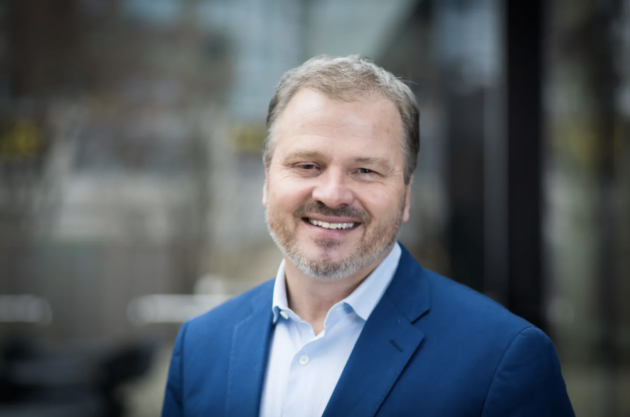
An artist’s conception shows a data center powered by IonQ’s Forte Enterprise servers. (IonQ Illustration)
IonQ has opened up its most advanced quantum computing platform for public availability through Amazon’s cloud-based Braket Direct Program, even as the Maryland-based company gears up to produce even more advanced hardware at a Seattle-area manufacturing facility.
IonQ Forte joins two earlier generations of the company’s processing hardware, Harmony and Aria, as options for Amazon Web Service’s Braket quantum computing service. Forte has been commercially available as a standalone system for months, but offering access via the cloud is expected to widen the platform’s use.
“Braket Direct provides all customers reaching the computational limits of classical computers with access to quantum technologies needed to build expertise, and expand their research and development horizon,” Richard Moulds, general manager of Amazon Braket, said today in a news release. “IonQ Forte’s addition to Braket Direct furthers the collaboration between our two companies, and paves the way for exploring new quantum applications in areas like materials research, computer vision, machine learning, pharmaceuticals, and more.”
Peter Chapman, the former Amazon executive who became IonQ’s CEO in 2019, said access to Forte “is imperative for users looking to optimize algorithms for trapped ions and help expand existing applications to new problem spaces.”
“We’re pleased to continue our work with AWS as we collectively work toward making quantum accessible to all,” Chapman said.
In contrast to classical computing’s binary one-or-zero approach, quantum computing works with different types of bits (“qubits”) that can represent different values simultaneously until the results are read out. Certain types of problems, ranging from network optimization to codebreaking, are thought to be more easily solvable using quantum processors.
IonQ recently announced the upcoming rollout of its Forte Enterprise system — which is expected to deliver 35 algorithmic qubits, as opposed to Forte’s 29 — and an even more advanced Tempo system that could boost IonQ’s top AQ count to 64.
At the start of this year, IonQ announced that it would build quantum computers — including Forte Enterprise and Tempo systems — at a research and manufacturing facility in Bothell, Wash.
In September, Inside Quantum Technology quoted Chapman as saying that a section of the factory would be opened up this fall to start the manufacturing process. “It’s taken a little less than a year, but in the construction world, that’s light speed,” Chapman said.
He was quoted as saying that IonQ and the property lessor, Alexandria Real Estate Equities, spent “millions and millions of dollars” getting the building ready for business. “It’s a mix of funds, but it’s expensive, damn expensive,” Chapman told Inside Quantum Technology.
Today, IonQ said that the Bothell facility is going through setup and build-out, and that the work is on schedule to deliver Forte Enterprise systems next year.
BrainChild Bio will rent space in the Seattle Children’s building Building Cure. The structure opened in downtown Seattle in 2019. The startup will occupy part of the 10th floor, which is also home to Seattle Children’s Therapeutics. (Seattle Children’s Photo)
Seattle Children’s is spinning out BrainChild Bio, a biotech startup tackling cancer in the central nervous system with an initial focus on treatments for children.
The clinical-stage company is launching from Seattle Children’s Therapeutics, an innovation hub within the pediatric hospital. Dr. Michael Jensen is leaving his role as vice president of the hub to become the founder and chief scientific officer of BrainChild Bio. The startup has an exclusive license to use novel CAR T-cell technology developed by Jensen and his team.
“It’s going to really focus on revolutionizing cancer [treatment] in the central nervous system,” Jensen said.
The approach uses chimeric antigen receptor (CAR) T-cell immunotherapy, which genetically reprograms patients’ immune cells to kill cancerous cells. The CAR T-cells act like a “cellular-size scalpel,” Jensen said, to metaphorically cut out the disease.
The startup is initially targeting diffuse intrinsic pontine glioma (DIPG), a rare and incurable cancer that strikes the brain stem. Following a diagnosis, patients typically live 12 to 16 months, and are only able to receive radiation as a palliative therapy. About 600 U.S. kids are diagnosed with DIPG annually and there are an estimated 10,000 cases globally.
Dr. Michael Jensen, founder and chief scientific officer of BrainChild Bio. (Seattle Children’s Photo)
Jensen and his team at Seattle Children’s Therapeutics have conducted four clinical trials using CAR T-cell therapies targeting pediatric central nervous system tumors in about 100 patients. A subset of those are DIPG cases.
Data on the treatment’s effectiveness will be shared at a scientific forum next year, but preliminary results are promising, Jensen said. The therapy is delivered directly into the central nervous system, bypassing the blood-brain barrier that can block other treatments. And patients can be dosed repeatedly, ensuring that CAR T-cells wage a sustained assault on tumors.
The new venture is receiving an undisclosed amount of funding from Seattle Children’s that should provide two years of runway, Jensen said.
“With our clinical trials and our academic programs, we can treat and help dozens or tens of dozens of patients,” Jensen said. “But without a commercial enterprise to make this scalable and sustainable over time, we’re not going to have the impact that is possible by having these these transformative medicines.”
The startup will rent space from the pediatric hospital inside its Building Cure in downtown Seattle. It will occupy the 10th floor of the building — which also houses Seattle Children’s Therapeutics. BrainChild Bio will take with it about 18 people research and development employees from Seattle Children’s Therapeutics, which will continue working on childhood leukemia, lupus and other diseases.
Jensen has worked three decades as a physician-scientist, leading Seattle Children’s Therapeutics’ R&D team for the last 13 years. He is also a co-founder of Seattle’s Umoja Biopharma and Juno Therapeutics, which was bought by Bristol Myers Squibb and is now producing CAR T-cell therapy used commercially to treat lymphoma in adults.
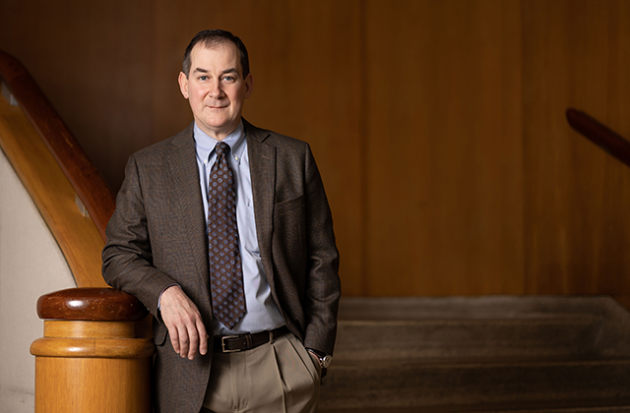
Steven Brugger will join BrainChild Bio as CEO. His experience in pharmaceuticals spans 40 years, most recently as CEO of Affinivax, a vaccine company acquired last year by GSK for $3.3 billion.
Building Cure, a space owned by Seattle Children’s and home to the biotech startup BrainChild Bio. (Seattle Children’s Photo)
In March 2022, Seattle Children’s Therapeutics announced a partnership with Cellevolve Bio, a development and commercialization company in San Francisco, to advance three clinical trials for central nervous system cancers in children. In May of this year, Seattle Children’s launched a fourth study focused on CAR T-cell treatments for pediatric DIPG patients.
When asked about the collaboration, Jensen said, “there is no relationship established between Cellevolve and BrainChild Bio.” On its website, Cellevolve does not list Seattle Children’s as a partner.
Jensen hopes BrainChild Bio can move quickly to commercialization. Brain stem gliomas are rare and BrainChild could request and receive designations for its treatment both as an orphan drug and as a breakthrough therapy. The designations can expedite the U.S. Food and Drug Administration approval process as well as provide financial incentives including tax breaks and a seven-year period of market exclusivity for the drug.
While BrainChild Bio is initially is initially focusing on DIPG, it plans to ultimately expand to other pediatric and adult brain tumors, including glioblastoma and brain metastases.
About 150,000 Americans are diagnosed each year with cancer that has metastasized to the brain, Jensen said, which is typically fatal.
Si estás aquí es porque has pensado en la importancia de elegir bien los materiales al momento de realizar reformas en tu casa, taller u oficina. Y es que el hecho de hacer cambios en lugares tan importantes en nuestro día a día amerita la atención adecuada y por eso es necesario que los realicemos tras un proceso en el que hayamos pensado adecuadamente cuáles son los materiales y procesos que más nos convienen. Hoy en día existen materiales que pueden resultar maravillosos en este rubro, un ejemplo son los falsos techos de aluminio, los cuales proveen una resistencia y durabilidad difíciles de igualar en el mundo y que además dotan de ligereza a cualquier construcción. Tienen diseños sumamente variados, buen aislamiento acústico y térmico su proceso de mantenimiento resulta sumamente fácil y eficiente, por lo que poco tendrás que preocuparte en este aspecto.
De la misma manera que con los falsos techos de aluminio, existen otros materiales que ayudan a facilitar y estilizar las reformas a efectuar. Por mencionar otro ejemplo, las puertas de pvc tienen una relación de precio y calidad que no debemos ignorar. Su composición les permite representar una oferta de costo beneficio más que competitiva y además proporcionan la oportunidad de darle a tu hogar o lugar de trabajo un estilo completamente nuevo. Combinan perfectamente con los cristales ya que ofrecen, también, una amplia variedad de diseños. Y ya que hablamos de cristales, comprar cristal templado en lugar de uno más sencillo y barato es una opción que quizá hoy mismo no contemples, pero que te permitirá lograr una personalización y un acabado maravillosos a la hora de realizar reformas en cualquier lugar que desees.
El mundo de los materiales ha cambiado mucho en pocos años. Hoy en día los productos y servicios ofrecidos por empresas de canalones de aluminio son perfectamente capaces de brindarte los beneficios y terminados que tu obra necesita y que puede convertirla en ese lugar ideal y agradable que tanto estás necesitando.
Vamos a comparar algunos materiales y usos que puedes elegir con sus contrapartes de otro tipo de manufactura:
Los falsos techos de aluminio pueden dar un buen resultado si lo que necesitas es darle un toque moderno a una construcción antigua. Te asombrarás de lo que se puede lograr en este escenario. También son útiles para ocultar cableado y otras imperfecciones presentes en el acabado. Además requerirás poco tiempo para que se instalen y puedas disfrutar de un nuevo panorama.
El PVC, por su parte, ofrece una mejor resistencia térmica que el aluminio, aunque ambos funcionan bien ante las cámaras de aire. Si se utiliza en puertas se puede lograr un resultado más que favorable personalizando el aspecto del lugar y además en varios tipos de puerta.
El cristal templado ofrece una gran resistencia a golpes y accidentes, por lo que utilizarlo en espacios como salas de estar y cocinas puede resultar sumamente adecuado.
En lo que se refiere a canalones, el aluminio es la mejor opción por ser inoxidable y sumamente resistente ante daños y roturas. Será una inversión que no tendrás que estar realizando nuevamente, ya que este material te blindará totalmente y podrá seguirse utilizando por largo tiempo.
Independientemente de cuál sea tu decisión o tus gustos a este respecto, lo importante es hacer todo de manera informada y para ello recurrir a empresas expertas que puedan sacar adelante tu proyecto de manera tal que no exista luego ningún tipo de arrepentimiento.
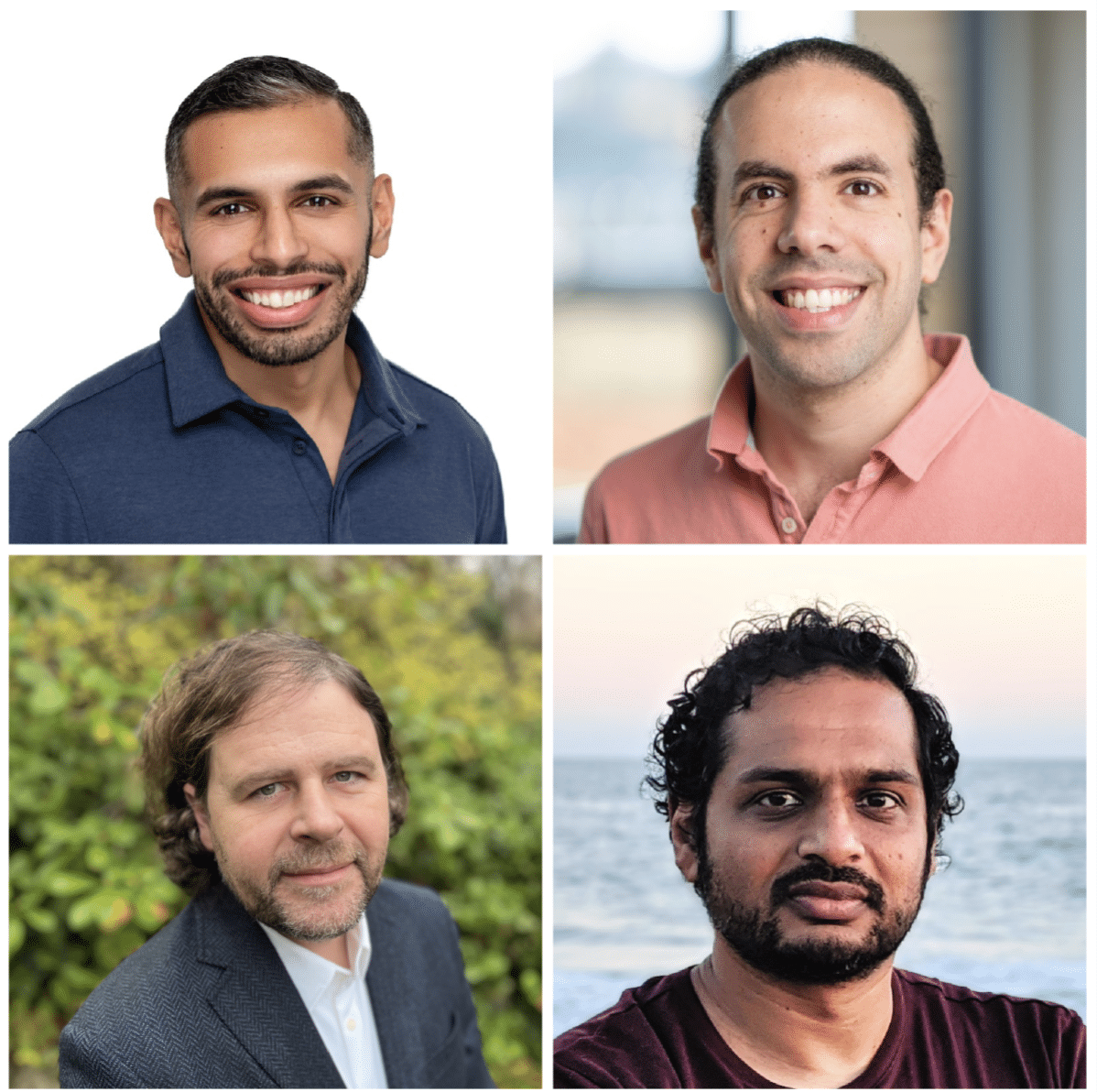
Spiffy co-founders, from top left: CEO Aniket Deosthali; CSO Iz Beltagy; CTO Sameer Singh; and Chief Architect Matthew Peters.
A group of “LLM hipsters” are behind a new AI startup in Seattle emerging from stealth mode and aiming to rethink how retail companies engage with customers.
Spiffy incorporated a year ago and has raised about $6 million from investors including Point72 Ventures (which is growing its Seattle presence), the AI2 Incubator, Ascend, Sorensen Ventures, and J4 Ventures. It spun out of the AI2 Incubator at the Allen Institute for Artificial Intelligence (AI2) in Seattle.
Spiffy CEO Aniket Deosthali previously helped Walmart build its generative AI-powered shopping assistant. The company’s other co-founders include:
Iz Beltagy, CSO, joined AI2 in 2017 and leads research on OLMo, an open generative language model created by AI2.
Matthew Peters, chief architect, joined AI2 in 2016 and leads natural language processing and machine learning research projects. He was previously director of data science at Moz.
Sameer Singh, CTO, joined AI2 in 2021 as an AI fellow, and is an associate professor at UC Irvine.
Spiffy’s core technology traces its roots to research at AI2.
“They had this vision that generic, large language models like ChatGPT just weren’t going to cut it when it came to solving substantive problems for businesses,” Deosthali said of his co-founders.
Spiffy is developing what it describes as “Outcome-Oriented Models,” a version of AI that is hyper-personalized and continuously improves toward a goal.
The idea is to equip retailers and their customer-facing workers with custom AI tools that don’t require extensive budgets to train models and run advanced graphics processing units.
Spiffy sees opportunities to help retailers of all sizes change the way they think about their customer service workforce — and not necessarily by replacing them, but by enhancing their workflow.
“Humans are often looked at as a cost center in organizations,” Deosthali said. “Our belief is that humans with AI can create opportunities to reimagine that fundamental assumption.”
Spiffy already has paying customers and the 4-person company is experimenting with different revenue models.
“Our fundamental approach has been to start with our customers’ dream outcome and work backwards from that,” Deosthali said.
Deosthali wouldn’t divulge much more about the company’s customers or product details.
“In a world with AI, every interaction with humans can be amazing, cheap, and revenue-generating,” he said. “That’s not possible today, but we believe that future is possible.”
Point72 Ventures partner Sri Chandrasekar said investing in Spiffy was a “no-brainer.”
“With the significant changes in the dynamics of consumer interactions with merchants and the way goods are purchased, we believe customer-facing companies need to utilize innovative technological solutions to remain relevant,” he told GeekWire in a statement. “The Spiffy team stands out to us due to their unique blend of industry expertise, inherent technical skill, and a humble understanding of the challenges involved in building a sizable company.”
— Emily Freeman, head of community for Amazon Web Services, is departing.
“It’s been an incredible few years and I’ve learned a ton,” Freeman wrote on X. “I’m excited to take some time to rest (and write!) before considering my next role.”
Freeman joined AWS as head of DevOps Product Marketing in 2021. Previously she was chief of staff for cloud advocacy at Microsoft, and a vice president at Kikbox.
Freeman is the author of “DevOps for Dummies” and “97 Things Every Cloud Engineer Should Know.”
AWS just wrapped up its annual re:Invent conference last week in Las Vegas.
Another AWS leader, Brian Ketelsen, also announced his departure following the event. Ketelsen joined in July 2022 and was a principal developer advocate. He previously worked at Microsoft, XOR Data Exchange, and Clarity Services.
Dr. Timothy Dellit. (UW Photo)
— Dr. Timothy Dellit is taking the role of CEO of UW Medicine, the Paul G. Ramsey Endowed Dean of the University of Washington School of Medicine, and the university’s executive vice president for medical affairs.
Dellit has held the positions on an interim basis since July 2022. He began his career at UW Medicine 22 years ago.
UW Medicine includes 39,000 faculty, staff, trainees and students across eight organizations. The UW School of Medicine educates more than 9,000 students and trainees annually.
William Johnson. (LinkedIn Photo)
— William Johnson stepped down from Vancouver Tech Journal, which he founded in 2018. “The decision to leave wasn’t made lightly, but after five years, I decided it was time to step back, take a break, and explore what other opportunities align with my passion for amplifying entrepreneurs and innovators,” Johnson wrote on LinkedIn.
— Seattle health informatics startup Truveta added Dr. Patrick Caubel to its board of directors. Caubel is chief safety officer at Pfizer, and previously held exec roles at Sanofi-Genzyme, Sanofi-Pasteur, and Johnson & Johnson. Truveta aims to aggregate medical records data from its partner institutions to link treatments with outcomes and underlying health. The company raised $95 million in 2021.
Mika Yamamoto. (LinkedIn Photo)
— Enterprise software company Freshworks hired Mika Yamamoto as chief marketing officer and chief customer officer. Yamamoto previously worked at Adobe, F5, SAP, Microsoft and BlackLine in marketing leadership roles. Freshworks is based in San Mateo, Calif., but is growing its Seattle footprint. The company’s CEO Girish Mathrubootham is based in the Seattle region.
— Seattle cybersecurity startup Zatik Security announced Zack Glick as its third founder and CTO. Glick was previously an engineer at New Relic and Amazon Web Services. Zatik launched in October; its other co-founders are Kymberlee Price and Jon Callas.
— Redfin exec Ariel Dos Santos announced he was promoted to senior vice president, product and design. He was previously vice president of product, growth. Dos Santos landed at Redfin in May 2022 after stints with Amazon and Peloton.
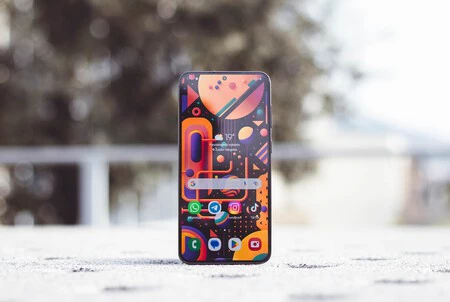
Apple y Samsung. La eterna lucha. Cuando una de las marcas saca un nuevo teléfono es casi imposible no compararlo con el de la otra. Y es que los modelos de la gama alta luchan por entrar en los bolsillos de los mismos usuarios, por lo que ponen toda la carne en el asador.
Los de Cupertino presentaron hace unos meses su nueva familia de terminales. En ella está el iPhone 15 Plus, un dispositivo que destaca por su pantalla y autonomía, sin dejar de lado la potencia o el sistema de cámaras. Y aunque Samsung ya hace casi un año que lanzó al mercado sus dispositivos para 2023, y queda poco para renovarlos, continúan siendo muy buenas opciones.
El Samsung Galaxy S23+ es el teléfono intermedio en la gama alta de la firma surcoreana y rival directo de la propuesta de Apple. También destaca por los mismo puntos que el de la manzana mordida, así que puede ser complicado decantarse por uno u otro.
Es por esto que vamos a analizarlos en profundidad para conocer sus características, diferencias y precios, con el objetivo de que los usuarios confusos puedan salir de dudas.
Características Samsung Galaxy S23+ y iPhone 15 Plus
ESPECIFICACIONES
IPHONE 15 PLUS
SAMSUNG GALAXY S23+
DIMENSIONES Y PESO
160.9 x 77.8 x 7.8 mm y 201 gramos
157,8 x 76,2 x 7,6 mm y 195 gramos
PANTALLA
Super Retina XDR OLED de 6,7 pulgadas con tasa de refresco a 60 Hz, resolución de 1.290 x 2.796 píxeles, compatibilidad con HDR10 y Dolby Vision, brillo máximo de 2.000 nits y protección Ceramic Shield
Dynamic AMOLED 2X de 6,6 pulgadas con tasa de refresco adaptativa de 1 a 120 Hz y resolución Full HD+ (1080 x 2340 píxeles), compatibilidad con HDR10+, función AOD y brillo máximo de 1750 nits (momentos puntuales)
PROCESADOR
Apple A16 Bionic
Qualcomm Snapdragon 8 Gen 2
RAM Y ALMACENAMIENTO
6 GB128, 256 y 512 GB
8 GB256 y 512 GB
CÁMARAS
Trasera: cámara principal de 48 MP (gran angular) y ultra gran angular de 12 MPFrontal: TrueDepth gran angular de 12 MP
Trasera: triple con sensor principal de 50 MP, 10 MP (teleobjetivo) y 12 MP (ultra gran angular)Frontal: 12 MP (gran angular)
CONECTIVIDAD
WiFi 6, Bluetooth 5.3, 5G, GPS, NFC, USB-C 2.0 (DisplayPort)
WiFi 6E, 5G, Bluetooth 5.3, GPS, NFC, USB-C 3.2 OTG
BATERÍA
4.383 mAhHasta 26 horas de reproducción de vídeoCarga MagSafe a 15W, Qi a 7,5W e inversa por cable a 4,5W
4700 mAhCarga rápida USB-C a 45W, inalámbrica Qi a 15W y reversible a 4,5W
SISTEMA OPERATIVO
iOS 17
Android 14 con capa de personalización One UI 6
OTROS
Face ID, certificado IP68, Apple Pay, detección de accidentes, servicio de emergencias vía satélite y Siri
Pantalla: el iPhone 15 Plus tiene una pantalla Super Retina XDR OLED de 6,7 pulgadas con tasa de refresco a 60 Hz que alcanza los 2.000 nits de brillo en exteriores y que es compatible con contenido en alto rango dinámico HDR10 Dolby Vision, además de tener protección Ceramic Shield. El Samsung Galaxy S23+ tiene panel Dynamic AMOLED 2X de 6,6 pulgadas con tasa de refresco adaptativa de 1 a 120 Hz, HDR10+, brillo máximo de 1.750 nits y función AOD.
Procesador: el terminal de Apple tiene el chip A16 Bionic y el de Samsung integra el Qualcomm Snapdragon 8 Gen 2.
RAM y almacenamiento: el smartphone de Samsung viene con 8 GB de RAM y opciones de almacenamiento de 256 o 512 GB. El de Apple dispone de 6 GB de RAM y opciones de almacenamiento de 128, 256 y 512 GB.
Cámaras: Apple apuesta por una nueva cámara principal de 48 MP en el iPhone 15 Plus y mantiene la ultra gran angular de 12 MP, así como la frontal TrueDepth de 12 MP. Samsung, por su parte, pone al S23+ tres cámaras traseras, siendo la principal de 50 MP y otras dos de 10 MP (teleobjetivo) y 12 MP (ultra gran angular). La frontal es de 12 MP gran angular.
Conectividad: el teléfono de Apple tiene WiFi 6, Bluetooth 5.3, 5G, GPS, NFC y USB-C 2.0 (DisplayPort). El de Samsung dispone de WiFi 6E, 5G, Bluetooth 5.3, GPS, NFC y USB-C 3.2 OTG.
Batería: Apple promete hasta 26 horas de reproducción de vídeo con su iPhone 15 Plus. El dispositivo de Samsung tiene batería de 4.700 mAh.
Sistema operativo: iOS 17 en el iPhone y Android 14 con capa de personalización One UI 6 en el Samsung.
Precio: el iPhone 15 Plus parte de los $1098 y el Samsung Galaxy S23+ de los $999, aunque es habitual encontrarlo más rebajado por tener casi un año en el mercado.
iPhone 15 Plus VS Samsung Galaxy S23+, ¿qué teléfono comprar?
Los iPhone 15 Plus y Samsung Galaxy S23+ son dos teléfonos bastante parecidos tanto en prestaciones como en precio. Pero tienen sus pequeñas diferencias. Si después de haber leídos sus características no te has podido decidir por uno u otro, vamos a comentar con más detenimiento sus puntos más fuertes y débiles.
Puntos fuertes y débiles del iPhone 15 Plus
+ Pantalla OLED
+ Brillo de hasta 2.000 nits
+ Buenas cámaras (nueva cámara principal de 48 MP)
+ Chip A16 Bionic
+ USB-C
+ Autonomía de hasta 26 horas de reproducción
+ Face ID
+ iOS 17 (y muchos años de actualizaciones de software)
– Pantalla a 60 Hz cuando debería ser a 120 Hz por su precio
– Velocidades de USB 2.0
– Carga rápida lenta
Puntos fuertes y débiles del Samsung Galaxy S23+
+ Pantalla OLED adaptativa a 120 Hz
+ AOD
+ Brillo de hasta 1.750 nits
+ Chip Qualcomm Snapdragon 8 Gen 2
+ Buenas cámaras
+ WiFi 6E
+ USB-C rápido
+ Batería de 4.700 mAh
+ Android 14
– No tendrá tantas actualizaciones de software como el iPhone 15 Plus
La pantalla
Empezamos con uno de los aspectos más importantes del teléfono: la pantalla. Ambos smartphones tienen buenos paneles al ser OLED y el nivel de brillo es bastante alto. No obstante, hay una característica que puede empañar la experiencia del iPhone 15 Plus: la tasa de refresco.
El iPhone 15 Plus tiene una tasa de refresco a 60 Hz, lo que no es nada habitual en 2023, casi 2024, para un teléfono de gama alta y de su precio. Apple reserva los 120 Hz para los modelos Pro, pero, al menos, debería haberlo dotado de 90 Hz.
El Samsung Galaxy S23+ tiene pantalla con tasa de refresco dinámica que va hasta los 120 Hz, y esto hace que el sistema se note más fluido, así como al usar las aplicaciones.
La autonomía
Uno de los puntos fuertes de los teléfonos de Apple, como el iPhone 15 Plus, está en la autonomía. No suelen tener las baterías de mayor tamaño, pero sí que están muy bien optimizadas para dar lo máximo, y este dispositivo de la compañía promete hasta 26 horas de reproducción de vídeo por carga.
Samsung también ha hecho un muy buen trabajo con el Samsung Galaxy S23+. Los compañeros de Xataka que pudieron analizarlo aseguran que rinde mejor que el Samsung Galaxy S23 Ultra. Consiguieron, en el ciclo más agresivo con más de dos horas de juego, cuatro horas de pantalla y un 35% de batería restante. Es bastante fácil llegar a las ocho horas de pantalla.
Las actualizaciones
Los usuarios que estiran al máximo sus dispositivos deberían tener en cuenta las actualizaciones de software, ya que no sólo añaden nuevas funciones, sino que también proporcionan parches de seguridad, algo que es importante cuando se busca aguantar el mismo dispositivo bastantes años.
Aunque Apple no proporciona una hoja de ruta, se espera que el iPhone 15 Plus reciba alrededor de seis años de actualizaciones, lo que está muy bien y encabeza a la compañía en la cabeza. Este es un aspecto en el que también está mejorando Samsung, que actualizará el S23+ hasta Android 17 y asegura que recibirá actualizaciones de seguridad hasta 2028.
Valant Medical Solutions, a Seattle startup that develops software to help behavioral health practitioners manage billing and electronic medical records at their offices, has been sold to Resurgens Technology Partners, a private equity firm based in Atlanta.
Valant has been backed by Connecticut-based private equity firm Gemspring Capital since 2019. Terms of the deal were not disclosed on Monday.
Valant was founded in 2005 by brothers David Lischner, a psychiatrist who previously ran Evidence Based Treatment Centers of Seattle, and Ben Lischner, a former software developer at AT&T Wirelesss.
The startup has raised $26.3 million according to Crunchbase, including an $11 million round 10 years ago, and has grown to serve more than 22,000 behavioral health professionals across all 50 states.
“Our team is thrilled that we have the support of a leading software investor to drive Valant’s adoption and to provide better outcomes for behavioral health patients and practices alike,” Valant CEO Ram Krishnan said in a news release. “Resurgens Technology Partners has the expertise and vision to support Valant’s plan to deliver value across the behavioral health landscape through its modern, purpose-built cloud platform.”
No queremos pensarlo, pero a este 2023 le quedan pocos días. En nuestras cabezas rondan las celebraciones navideñas que ya tenemos encima, pero en los despachos del Apple Park ya piensan en la agenda del año que viene. 2023 ya está finiquitado, ya se han hecho todos los gestos que había pendientes para estas últimas semanas, lo único que queda es hacer caja.
Y en todos los movimientos que ha hecho Apple en este 2023 hay que pensar en todos los productos que han dejado de venderse y que perderemos para siempre. Si empezamos a contar, la lista no es tan corta como puedes creer.
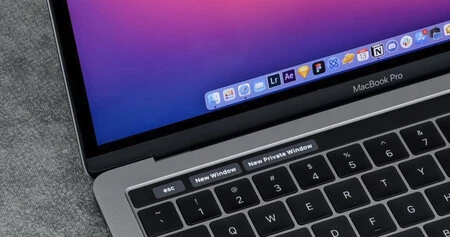
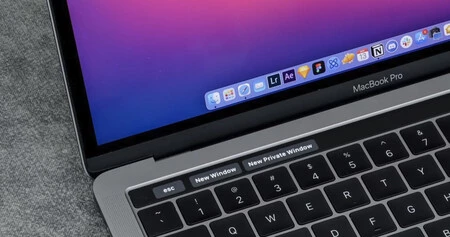
El MacBook Pro con Touch Bar
Estaba bastante cantado tras el rediseño de la gama alta de los MacBook Pro. Apple ha decidido conservar un modelo básico, pero ya abandonando el diseño antiguo de los MacBook Pro salido de la época Intel y llevándose la Touch Bar por delante.
Con esto, la gama portátil de Apple se queda ya con dos diseños únicos: el de los MacBook Air y el de los MacBook Pro. Puede que algunos echen de menos los diseños en forma de lágrima de los MacBook Air antiguos, pero no creo que la Touch Bar sea algo añorado.
Los iPhone «mini»
Este le duele particularmente a muchos que defendían a capa y espada esta gama. La llegada de los iPhone 15 ha supuesto el fin de la venta del iPhone 13 mini, evidenciando que la gente prefiere la pantalla grande y la mayor autonomía antes que algo pequeño y cómodo. Es una lástima.
Aquellos que sigan queriendo un iPhone pequeño tienen como último «superviviente» al iPhone SE 3, pero va a durar poco. Los rumores afirman que el iPhone SE 4 que veremos en pocos meses crecerá de tamaño para asemejarse más al iPhone 14.
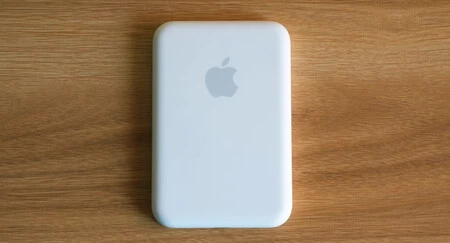
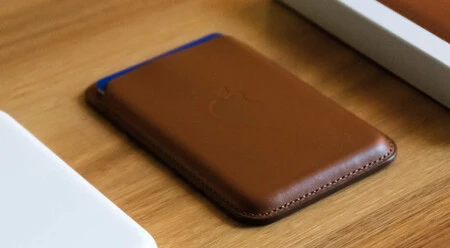
La Batería MagSafe y el cargador MagSafe Duo
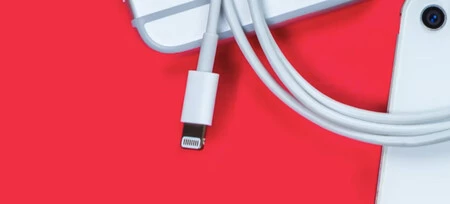
En un movimiento que estaba del todo previsto, Apple ha decidido dejar de vender su propia batería externa y cargador MagSafe Duo con el que se simplificaba la carga de dispositivos. Puede que se trate de unos primeros pasos para deshacerse de todos los accesorios que usen el puerto Lightning, aunque quizás simplemente no se vendían lo suficiente como para seguir sosteniéndolos en las tiendas. Lo sabremos mejor en cuanto la transición al puerto USB-C se complete con la fecha tope de diciembre de 2024.
Los accesorios en piel
Más recortes en accesorios, pero esta vez no por regulaciones europeas si no por conciencia ambiental. Todo lo que incluía piel ha dejado de existir, pasando a destacar la silicona y los materiales de alta calidad alternativos como en el caso de las fundas y las correas FineWoven. Este material no ha recibido demasiadas opiniones positivas, con algunos llegando a decidirse por llevar su iPhone 15 Pro sin funda.
Bonus de muerte anunciada: Lightning
El cable Lightning no ha muerto aún: sigue incluyéndose con los nuevos iMac y es necesario para cargar los Magic Keyboard, Magic Mouse y Magic Trackpad. Pero hay que decir que 2023 es el año en el que quedó totalmente sentenciado. A partir de ahora el cable USB-C es el que toma la prioridad en todo.
Enterraremos oficialmente Lightning a finales de 2024, momento en que Apple deberá utilizar USB-C en todas partes por ley. A partir de ahí, el cable Lightning irá desapareciendo a medida que los consumidores vayamos renovando los iPhone. Lo seguiremos viendo, pero quedará como algo anticuado de lo que todo el mundo se querrá desprender.
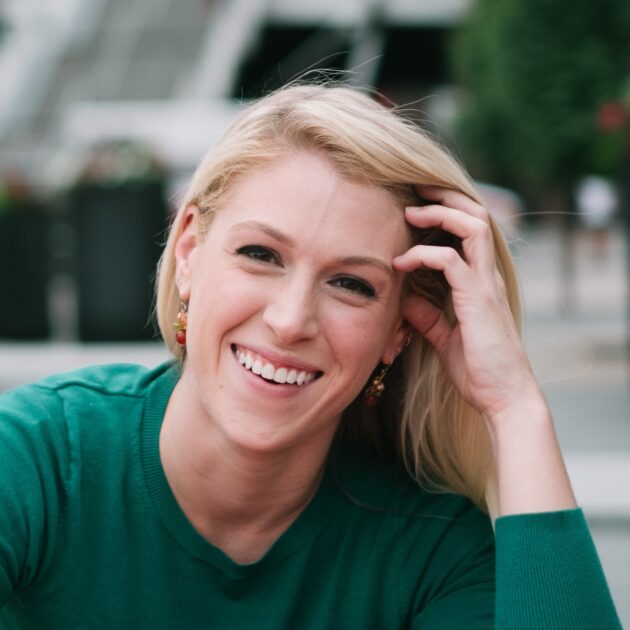
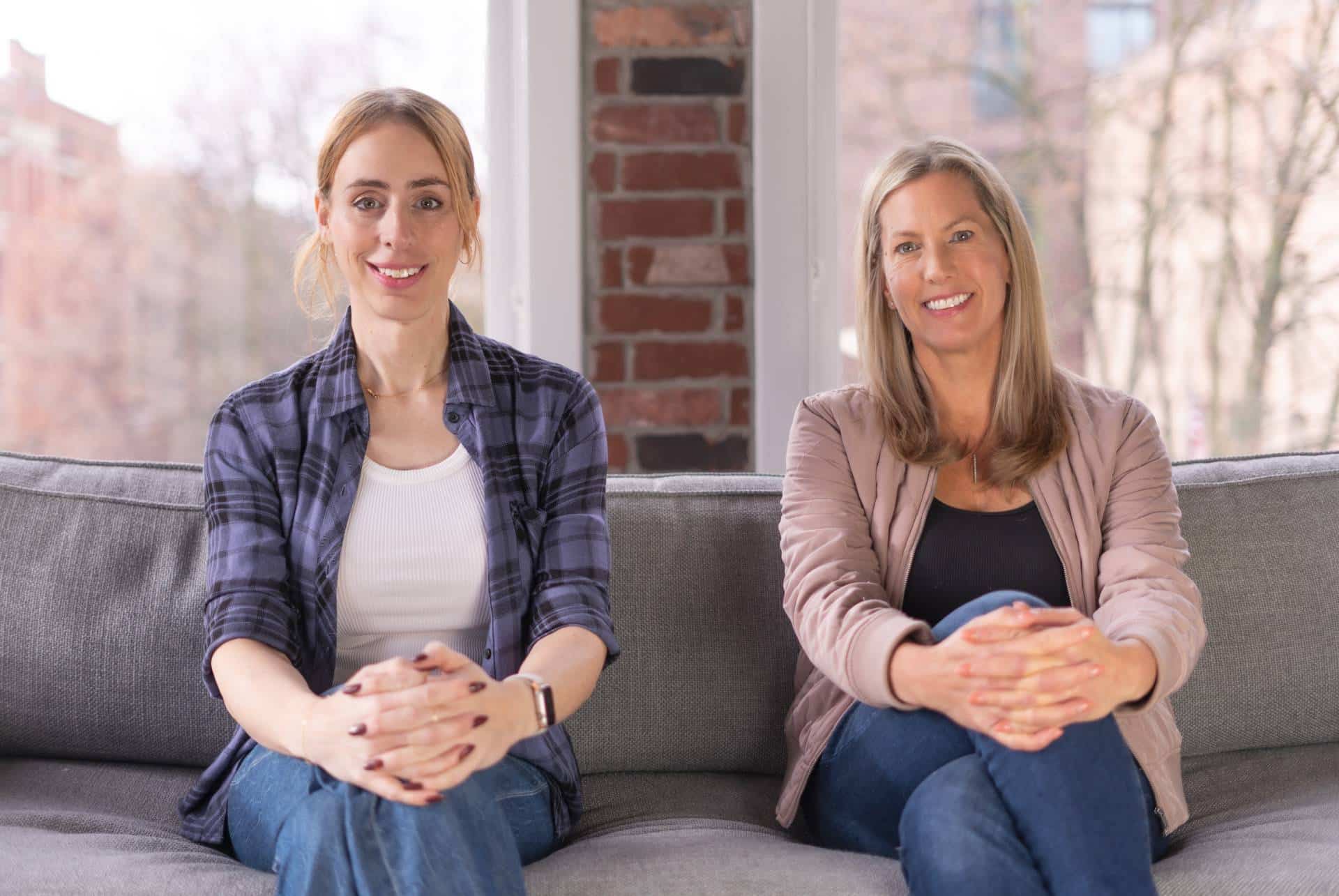
Joon Care CEO Emily Pesce (left) and cofounder and Chief Psychologist Amy Mezulis. (Joon Photo)
Teletherapy startup Joon Care raised $6 million from investors to extend the company’s runway as it grows its mental health software platform.
The Seattle startup serves patients 13- to 24-years old who need help with anxiety, depression, disordered eating, sexual and gender identity, academic problems, and other challenges.
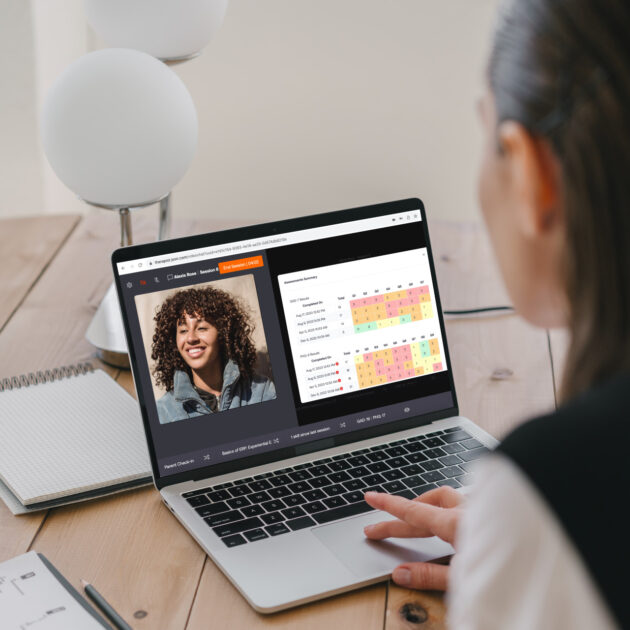
Joon delivers therapy sessions online and provides digital mental health tools and resources to teens and young adults. It supports therapists with evidence-based care strategies and patient assessments to track progress.
“What’s great about our product is once kids get into it and they start to feel agency in a life where they’re getting whiplashed around, it feels great,” said CEO Emily Pesce. “They want to come back.”
Joon launched in 2019, spinning out of Seattle’s Pioneer Square Labs (PSL). A year later it raised $3.5 million. The latest round includes funding from past investors PSL Ventures and Route 66 Ventures, as well as Pesce herself and other unnamed sources.
The fresh cash should provide enough funding for two to three years of operations, Pesce said. The company is not profitable.
Example of an online therapy session via Joon Care. (Joon Photo)
Over the past year, Joon has added insurance plans for which it’s an in-network provider, bringing the total to eight insurers. It also launched a partnership with the City of Seattle to provide free care to clients who are referred to the startup through the city’s human services programs. And Joon became a care provider on the Valorant Health platform, a portal to digital healthcare for underserved communities.
Joon has created an approach to care that shows measurable success, according to internal research. While the company will keep working to improve its services, its focus now is on reaching the parents and guardians of the 1.6 million teens and young people that it estimates need mental health care. It’s boosting its marketing and pursuing additional partnerships to connect with clients.
Joon currently treats patients in Washington, Oregon, California, Texas, New York, Pennsylvania and Delaware. It has more than 20 employees and nearly 100 therapists.
Despite the startup’s growth, raising venture capital was difficult amid a tightened investment market, said Pesce, a finalist for Startup CEO of the Year at the 2023 GeekWire Awards. The healthcare sector is particularly tough, she added, given general struggles right now for direct-to-consumer businesses, regulatory issues in medicine, and the lack of a model for acquisitions in teletherapy.
The team is thrilled with the cash infusion, Pesce said, but added that “this is not a victory lap.”
“We’ve got a lot of work to do as a company and we’re nowhere near accomplishing what we desire to accomplish, which is to make this care far more accessible,” she said.
Tal y como avanzan desde Bloomberg, el presidente de Serbia, Aleksandar Vučić, le acaba de entregar la nacionalidad balcánica a Stephan Gary Wozniak, Woz para los amigos, confundador de Apple. «Ahora podemos decir con orgullo que un genio de la informática es un serbio», ha comentado el presidente a los medios en un momento de extrema tensión social, ya que Serbia adelantará sus elecciones parlamentarias tras meses de protestas. De hecho, la primera ministra Ana Brnabic puntualizó que esta acción es una de tantas que el Estado está promoviendo en materia de educación tecnológica.
Steve Wozniak, de ascendencia ucraniana y polaca, confirma así que su estado de salud es mucho mejor y ya se ha recuperado del ictus que sufrió mientras asistía al Foro Mundial de Negocios en Santa Fe, México. En aquel momento, al parecer, su esposa dijo que no se encontraba bien, que estaba «de forma extraña», aunque Wozniak renegó de recibir atención médica. Poco después, fue ella misma, Janet Hill, quién acabó llamando a una ambulancia, tras el desmayo de su esposo. Tras el traslado al hospital Centro Médico ABC Santa Fe se confirmó que había sufrido «un evento vascular cerebral isquémico». Ya está, en cualquier caso, fuera de todo peligro.
Quién es el Steve Wozniak tras el relato que todos conocemos
Wozniak siempre se ha mostrado entre distante y descreído. Pero su aparente cinismo reside en una visión muy noble pero crítica con la industria informática. Es de sobra conocida su perspectiva crítica y analítica sobre las inteligencias artificiales y empresas como Meta, desmitificando el nacimiento de Apple o los logros maravillosos de Steve Jobs, quien se atribuyó más méritos de los que le correspondía.
Para muestra, tres botones: Wozniak, por ejemplo, se encargó del prototipo de Breakout que Atari le encargó a Jobs, tras varias noches sin dormir y sin llevarse ni un dólar de la prima de 5.000 dólares que el fundador de Atari, Nolan Bushnell, le prometió a Jobs en privado. También fue el responsable de hacer realidad la imposibilidad del Apple I y le consiguió trabajo a Jobs en Hewlett-Packard, un enlace fundamental para sus futuros contactos.
Sin embargo, Steve Wozniak ni siquiera quería ser informático. De hecho, lo fue por imposición tácita, porque era lo lógico. Un niño criado en Cupertino, hijo de un prestigioso ingeniero de Lockheed Corporation, no podía ser otra cosa. Una vez se graduó en la Homestead High School en 1968, en la primavera del 70 ya había diseñado la famosa caja azul que le valió el apodo de ‘Berkeley Blue’. Una especie de caja azul que aparece hasta en Los Simpsons y no es otra cosa que una herramienta de pirateo telefónico que hackeaba la línea para llamar gratis.
El amor secreto de Steve Wozniak
Steve Wozniak ama la música por parte de su madre. Él nunca lo quiso reconocer, pero es un guitarrista consumado, solo que nunca se ha prodigado o se ha atrevido a decirlo a las claras. «En la universidad tomé un par de libros de canciones y comencé a aprender guitarra de oído», relató en una entrevista. «Me convertí en un fan de ciertas guitarras sobre otras, pero no estoy tocando bien en este momento. Voy a muchos conciertos, pero no a los grandes espectáculos sobre-producidos. Voy a lugares más pequeños en San Francisco. Mi esposa y yo asistimos a unos 50 conciertos al año y, por lo general, observo cómo están escogiendo la guitarra, cómo obtienen el sonido».
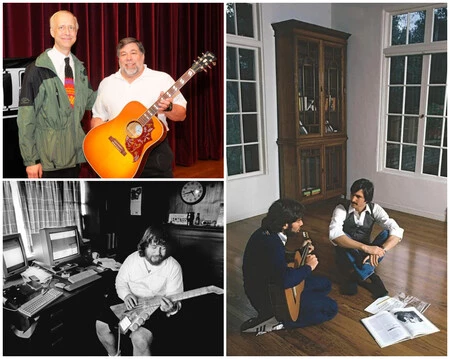
Un freak, también. Uno que diría hace apenas un par de años «La música es una parte enorme de mi vida. Desempeña un papel integral en la creación de la persona completa». De hecho, en su pasión por la guitarra se hizo buen amigo de Steve Capps, el co-diseñador de Macintosh Finder, creador de la Jaminator, una guitarra digital que inventó él mismo y que le permitía tocar mientras trabajaba con el software Newton. Puedes verlo en la siguiente foto:
Así bien, ya solo falta ver a este nuevo Woz serbio como a su nuevo compañero de patria, el guitarrista Goran Bregovic. ¿Quizá colaboren en algún evento cultural? Como fuera, Wozniak ha pasado a formar parte de esa gran plantilla de ilustres del país como pueden ser Novak Djokovic o Nikola Tesla. Y que sea así por muchos años más.
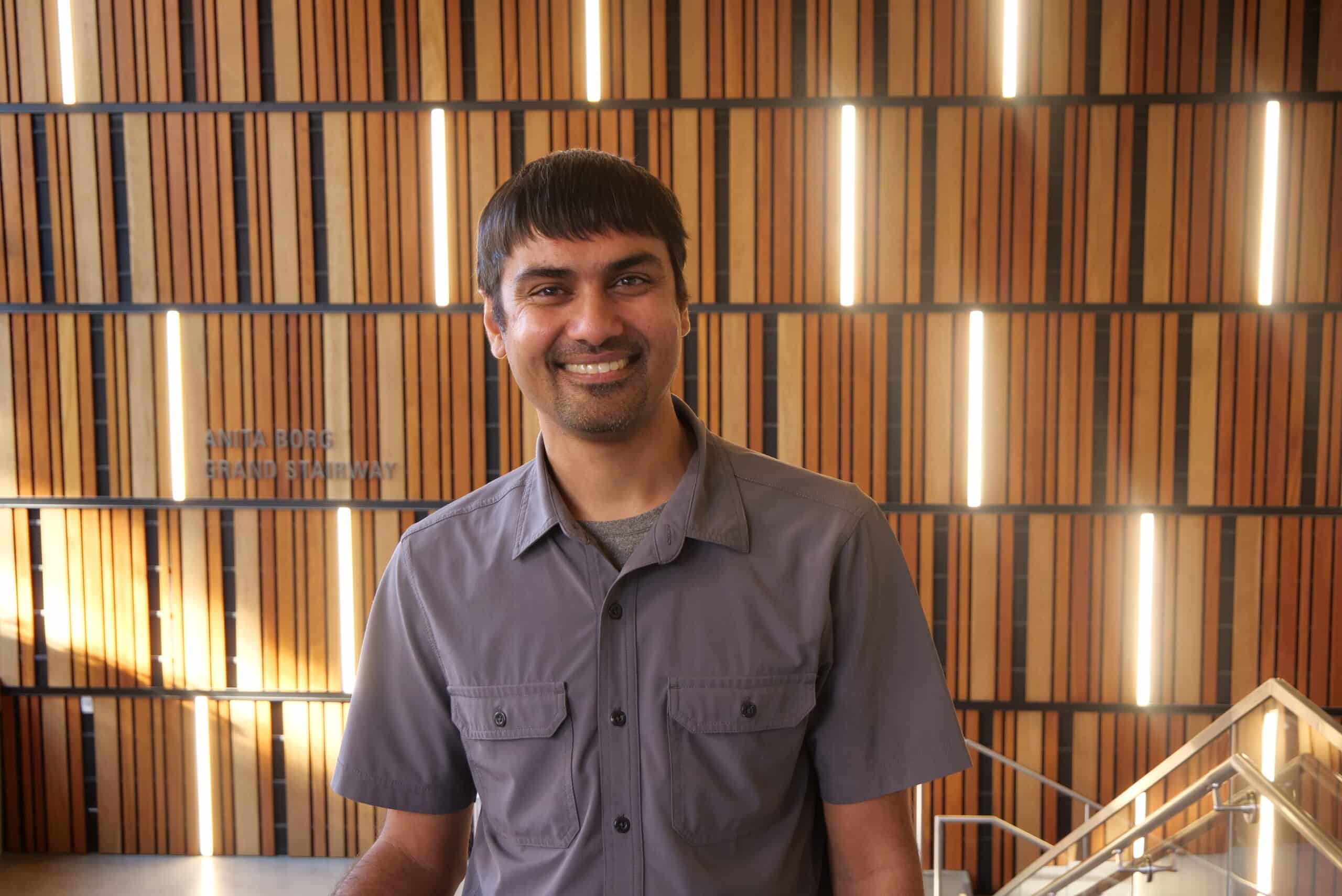
Shwetak Patel landed in Seattle in 2008. Since then, he’s co-founded three startups built on technology he helped invent. Patel currently leads a health tech group at Google and is a professor at the University of Washington. (GeekWire Photo / Todd Bishop)
Editor’s Note: This is part of a series profiling “Uncommon Thinkers”: inventors, scientists, technologists and entrepreneurs transforming industries and driving positive change. All six will be recognized this week at the GeekWire Gala on Dec. 6. Uncommon Thinkers is presented in partnership with Greater Seattle Partners. Read other profiles here.
Shwetak Patel isn’t a medical professional. He isn’t a licensed electrician.
But he is a self-described “naive innovator” — a quality that helps him develop out-of-the-box ideas that turn into successful startups.
“When you think about a problem on its head, you can come up with some really cool ideas,” said Patel, a renowned University of Washington computer science professor and serial tech entrepreneur.
Patel embodies what it means to be an Uncommon Thinker.
“He’s not afraid to pursue things with a weird or different approach,” said Vikram Iyer, a UW computer science professor who collaborates with Patel. “He finds questions that people aren’t asking.”
Those questions have sparked the formation of several entrepreneurial ventures built on Patel’s inventions.
Patel co-founded Zensi, which detected noise on electrical systems to monitor the energy usage of home appliances. The Seattle startup was acquired by Belkin in 2010.
He later co-founded SNUPI, which used existing power sources in homes to notify homeowners of potential hazards such as water leaks. Sears acquired the company’s technology in 2015.
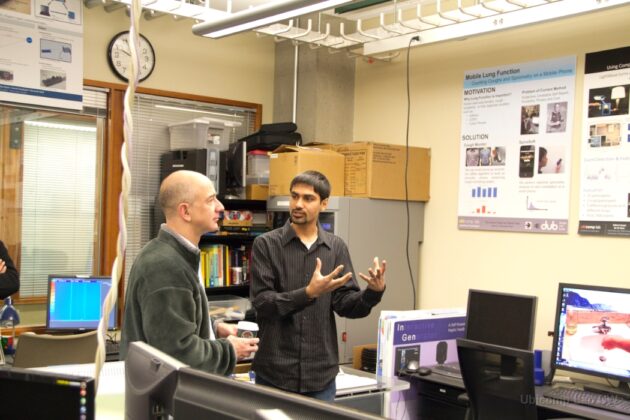
Shwetak Patel shows Amazon founder and former CEO Jeff Bezos his lab at the University of Washington. (Photo courtesy of Patel)
More recently Patel has been immersed in medical technologies, co-founding a health monitoring company called Senosis Health that was acquired by Google in 2017. He currently leads the Health Technologies group at Google as a distinguished scientist, in addition to his work as an endowed professor at the UW and director of the Ubicomp Lab.
“He has a creative brilliance you don’t find often,” said Gregory Abowd, dean of the college of engineering at Northeastern University and Patel’s Ph.D advisor at Georgia Tech.
When Patel arrived in Seattle in 2008, his entrepreneurial ambitions were met with raised eyebrows within the academic community. He didn’t just want to publish research papers. He wanted to get innovations out in the world.
“I knew I had to shepherd this stuff through, or it was going to get stuck on the shelf,” Patel said.
In many ways, Patel was a trendsetter. Now about half the students he works with at the UW express interest in commercializing their research, and many of his fellow professors also spend time inside tech companies.
“That was never a thing that used to come up,” he said. “Students are more excited about the impact their stuff can have broadly, beyond just a paper.”
Patel’s colleagues praise his ability to bridge academia and industry, as well as his skills as a collaborator and leader.
“He’s very supportive of the people he works with,” said Iyer, whose latest project with Patel involves tiny battery-free autonomous robots.
Added Abowd: “He’s not just a geek. He’s a very nice individual.”
Patel (top left) grew up in Alabama, where his parents ran a hotel and the family lived in an adjacent apartment. “My neighbors were Walmart and Taco Bell.” he said. (Photo courtesy of Patel)
Patel, 41, was born in Selma, Ala., where his parents landed after immigrating from India in the 1970s. They were engineers, but ended up managing a hotel. That’s where Patel’s father taught him how to fix broken air conditioning units and jammed vending machines — providing an early foundation for Patel’s electrical and water-sensing inventions.
“I can fix anything because of all the random stuff I did in the motels with my dad,” he said.
His parents didn’t know much about new technology, but they bought Patel a computer. “And then I just figured stuff out,” he said.
Patel graduated high school in Birmingham and headed to Georgia Tech, where he earned bachelor and Ph.D. degrees in engineering.
Abowd, his advisor, had trouble finding projects that were challenging enough for Patel. But he did come up with a way to motivate his student: telling him something couldn’t be done.
“He just loves to defy the odds, and he has the tools to back it up,” Abowd said. “He can also inspire other people to do the same. It’s a rare gift.”
Patel working with K-12 students as part of an outreach program organized by the UW computer science school. (University of Washington Photo)
Between his current jobs at Google and the UW, Patel’s work schedule is packed. But he does find time for hobbies — tinkering with cars and watching sports (Patel is a huge Alabama football fan) — and family. His wife, Julie Kientz, is a professor and chair in the Department of Human Centered Design and Engineering at the UW.
Kientz has had a front-row seat to Patel’s nonstop motor that drives him to keep tinkering and inventing.
“His idea of vacation reading is downloading the car manual for one of his cars,” said Kientz, who met Patel at Georgia Tech.
Part of what makes Patel unique is a constant desire to learn and develop expertise — and then connect the dots.
“He’s able to pick up on all these skills and apply them across to different fields,” Kientz said.
Patel is drawn to topics that could benefit from an unconventional approach. For example, when he helped develop a mobile-based spirometer that measured lung function with a smartphone, some medical experts scoffed at the idea. Now there are several spirometer apps in the market.
“Sometimes when you approach a problem by being a non-expert, you just think about it so differently,” Patel said. He added: “I tell my students that just because an expert says it is not possible, doesn’t mean it’s not possible.”
From left: Patel with his family, wife Julie Kientz and kids Rohan, 8, and Maya, 11. (Photo courtesy of Patel)
Patel, a past winner of the prestigious MacArthur Genius grant and ACM Prize in Computing, said the tech industry is at an inflection point with the rise of AI that he believes is on par with the invention of the smartphone.
Patel is excited about how generative AI and large language models can accelerate the way researchers synthesize literature or develop algorithms.
“The pace of prototyping is much faster,” Patel said. “Engineering has gotten much faster now, too.”
Even AI hallucinations, when AI models produce false or misleading information, can be useful because it presents a new way of thinking, he said.
“It might not be perfectly framed, but it takes you down a path you wouldn’t have gone down,” Patel said, adding that it’s important for researchers to have guardrails and understand limitations of an AI program.
Patel predicts that AI will help software become more personalized and more equitable. And he thinks it will help sensors — cameras, speakers, touchscreens — become more powerful.
Patel said it’s important to identify what types of problems new AI-powered software tools can help solve. And he wants more collaboration between academia and industry, particularly with making sure universities and researchers get access to the computing capacity needed to train AI models.
As for students, Patel advises to stay flexible and not take a normal path. “Thinking differently and not going with the status quo,” he said.
And it’s perfectly fine to try many things out and not specialize too early, he said. “Don’t force yourself to be pigeonholed,” he said. “It’s OK to dabble.”
Get caught up on the latest technology and startup news from the past week. Here are the most popular stories on GeekWire for the week of Nov. 26, 2023.
Sign up to receive these updates every Sunday in your inbox by subscribing to our GeekWire Weekly email newsletter.
Most popular stories on GeekWire
Nobody dropped the tech industry’s tried and true “fail fast” mantra, but during a tour Wednesday of Amazon’s newly opened Sonic office tower in Bellevue, Wash., the theme was definitely about experimenting, learning and evolving. … Read More
Reporting from Las Vegas … Brilliant marketing move or big waste of money? … Read More
At a company famous for turning doors into desks, it only made sense for Amazon’s cloud division to find its first desktop productivity device in one of its consumer division’s existing streaming media products. … Read More
Annapurna Labs co-founder Nafea Bshara knows semiconductors and appreciates a good red wine. … Read More
The Seattle City Council is closing in on new rules requiring roughly 4,100 existing buildings of more than 20,000 square feet to cut their greenhouse gas emissions to zero by 2050. … Read More
Reporting from Las Vegas … Amazon Web Services CEO Adam Selipsky doubled down on the new era of artificial intelligence with a series of product announcements and thinly veiled but repeated criticism of Microsoft and OpenAI. … Read More
Seattle pet-sitting marketplace Rover announced Wednesday that it has agreed to be acquired by asset manager Blackstone in a deal worth approximately $2.3 billion. … Read More
Three months after rolling out a food truck to launch his sustainable, fast-casual, chicken sandwich joint Mt. … Read More
Will artificial intelligence serve humanity — or will it spawn a new species of conscious digital beings with their own agenda? … Read More
Broadcom, the San Jose, Calif.-based semiconductor and software tech multinational, is laying off 158 workers in Bellevue, Wash., according to a new filing with the Washington state Worker Adjustment and Retraining Notification (WARN) system. … Read More
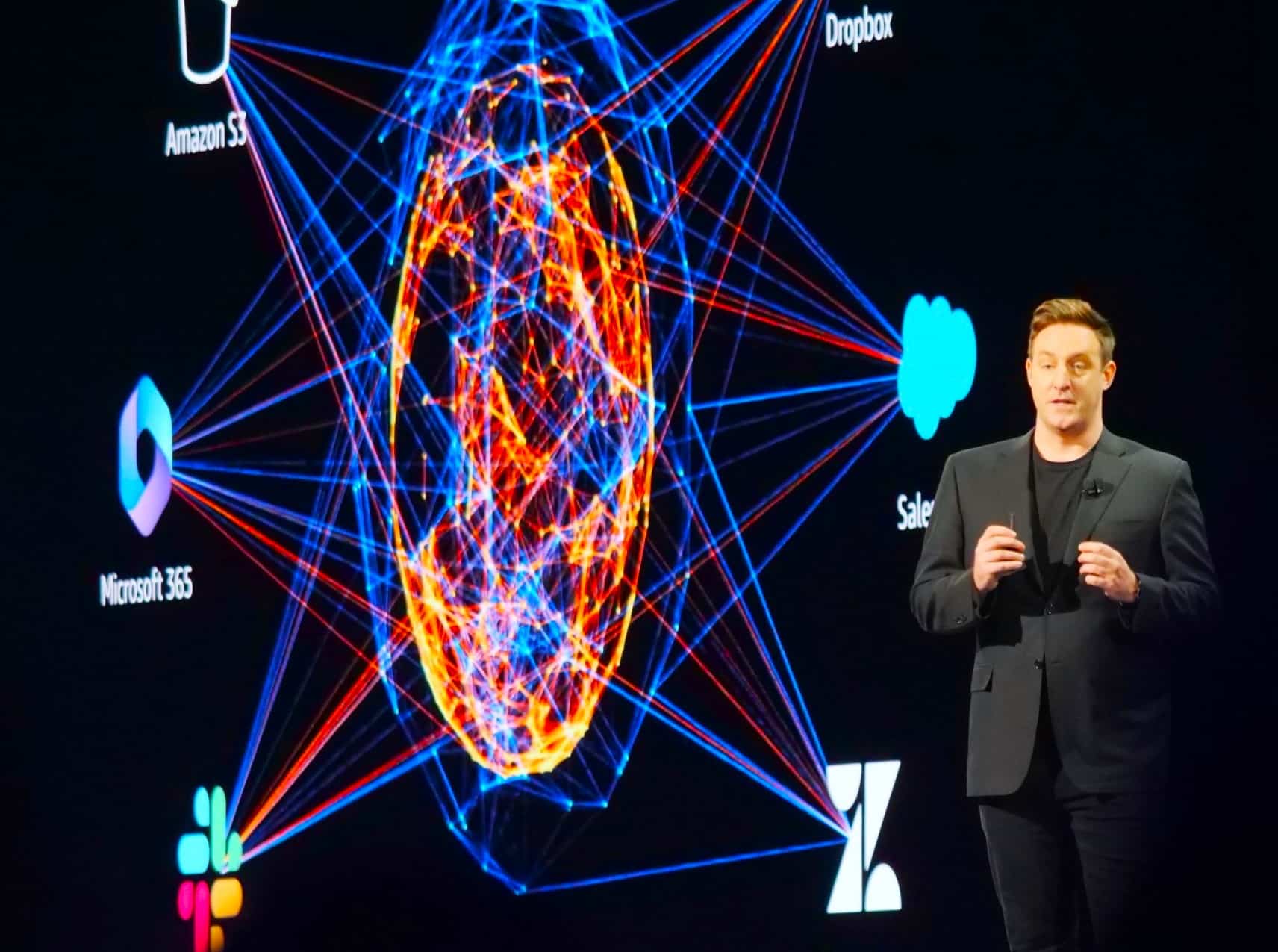
Matt Wood, Amazon Web Services VP of Product, shows some of the third-party services that Amazon Connects with in its new Amazon Q artificial intelligence tool for work. (GeekWire Photo / Todd Bishop)
Conference attendees in Las Vegas are accustomed to encountering people standing on the street, aggressively trying to hand them flyers for, well, let’s just say for a variety of different services.
So it was a surprise, and a sign of the times, when someone standing on the Las Vegas Strip handed me a flyer for something else entirely during the Amazon Web Services re:Invent cloud conference this week.
“NEED GPU?” it read, in bold letters.
The promotional materials were from a company touting what it described as the “largest stockpile of GPUs available for the best price” — underscoring the soaring demand and short supply of the graphics processing units instrumental for training artificial intelligence models.
It’s a new world, and of course AI was the big theme inside the longrunning AWS re:Invent conference, as well. The company’s announcements included a new AI assistant for work called Amazon Q.
Before heading back to Seattle, I got a chance to speak with Matt Wood, AWS vice president of product, about the new service and the new era of AI for business.
Several of his comments illustrated the rapid evolution of technology this year:
The rise of generative AI this year: “I have not seen this level of energy and enthusiasm and excitement and engagement from customers probably since the very earliest days of AWS when it was really kicking into high gear. We were thrilled but really having to work hard to keep up with customers’ enthusiasm for building. Very, very similar this year, with generative AI.”
AI and regulated industries: “One of the surprises to me over the past 12 months are the regulated industries. These are industries that potentially don’t have the best reputation for being in the vanguard of technology: insurance, financial services, health care, life sciences, all these sorts of things. But in an ironic twist, all of the regulations that they’ve been working through over the past 20-30 years have been around data privacy, and data governance, and data standards, and structured data quality. They’re all the things you need to have in place to successfully apply your own data to generative AI. … For a very small incremental investment, they can start applying that data with generative AI really, really quickly; really, really easily.”
Changing perspectives on data structures: “I was joking with a customer yesterday, they were saying that they have really, really old data. And a lot of it is structured, but they’ve got this notes field, and it’s just natural language text. And we were joking that, even a year ago, you would have said, ‘I’ve got all this structured data, thank goodness.’ But now you’re like, ‘Oh natural language text, thank goodness, that’s the gold, right?’ So it’s totally changed how you think about the data and where the value is.”
One of the notable aspects of Amazon Q is its ability to connect to business data from a variety of applications, including Microsoft 365, Slack, Salesforce, Dropbox, and Amazon S3. Asked about the execution of these features, Wood explained that the connections are made through APIs, but he also said there’s more cooperation among cloud rivals than people might expect.
“We have good relationships with with a lot of folks that we compete with in other areas. We sell a lot of Windows licenses on EC2 as an example, and through Amazon WorkSpaces,” he said. “So we have we have really good working relationships. The integration as it’s done under the hood is done through APIs, but that is not because we have any animosity towards these things.”
Hear more highlights from my conversation with AWS VP Matt Wood on this week’s GeekWire Podcast. Listen above, or subscribe to GeekWire in Apple Podcasts, Google Podcasts, Spotify or wherever you listen.
Postscript: On Friday afternoon, the newsletter Platformer reported that some Amazon employees are raising concerns about accuracy and privacy issues involving Amazon Q, which they say have come up in the internal use. Q has been “experiencing severe hallucinations and leaking confidential data,” according to leaked documents, including “the location of AWS data centers, internal discount programs, and unreleased features,” as Platformer reported.
Amazon downplayed the issues and specifically denied some of the claims.
“Some employees are sharing feedback through internal channels and ticketing systems, which is standard practice at Amazon. No security issue was identified as a result of that feedback,” an Amazon spokesperson said in statement to GeekWire. “We appreciate all of the feedback we’ve already received and will continue to tune Q as it transitions from being a product in preview to being generally available.”
The statement added, “Amazon Q has not leaked confidential information.”
In the final segment of this week’s show, we listen back to AWS CEO Adam Selipsky’s thinly veiled jabs at Microsoft and OpenAI during his re:Invent keynote this week. You may notice that one of those clips is of lower quality. That’s because it’s from my own recorder, sitting in the crowd. The reference was removed from the official Amazon recording after the fact.
Update: Amazon got back to me on this. This portion of the keynote isn’t available for on-demand viewing because they don’t have permission/license to display the CNBC content in the on-demand version. In other words, they weren’t intending to pull any punches by not putting the comment online.
SpaceX’s Falcon 9 rocket launches a set of Starlink satellites on Nov. 27. Amazon has struck a deal to use Falcon 9 rockets for some of its Project Kuiper satellites as well. (SpaceX Photo)
Amazon’s Project Kuiper may be a competitor for SpaceX’s Starlink satellite broadband network, but business is business: Amazon says it has signed a contract for three launches of Project Kuiper satellites on SpaceX’s Falcon 9 rocket, supplementing scores of launches reserved on bigger rockets that haven’t yet made their debut.
“The additional launches with SpaceX offer even more capacity to support our deployment schedule,” Amazon said today in a news release. Amazon did not provide information about the potential timing of the launches, or their cost.
Like Starlink, Project Kuiper is designed to open up broadband internet access to tens of millions of people around the world who are underserved. SpaceX has a big head start in the market, with thousands of satellites already in orbit and more than 2 million subscribers for Starlink’s service.
Amazon, in contrast, had its first two prototype satellites sent into orbit on a United Launch Alliance Atlas V rocket just this October. A couple of weeks ago, Amazon reported that the satellites passed a monthlong series of tests, opening the way for satellites to be mass-produced at a factory in Kirkland, Wash. (For what it’s worth, SpaceX’s satellites are built nearby at the company’s Redmond facility.)
Project Kuiper’s first production-quality satellites are due to be launched early next year, with beta service to begin in the latter half of 2024. At least half of Project Kuiper’s planned 3,236-satellite constellation will have to be placed in low Earth orbit by mid-2026 to comply with the terms of Amazon’s license from the Federal Communications Commission. But the vast majority of launches that Amazon has reserved would use three types of rockets that haven’t yet flown a single mission: Blue Origin’s New Glenn, ULA’s Vulcan and Arianespace’s Ariane 6.
In addition to the three newly reserved Falcon 9 launches, Amazon has slots set aside on eight Atlas V rockets — a tried-and-true product line that is reaching its final days. So even though SpaceX and Amazon could be considered satellite network rivals, and even though SpaceX founder Elon Musk and Amazon founder Jeff Bezos haven’t always been on the best of terms, the Falcon 9 reservations represent something of an insurance policy for Amazon’s deployment schedule.
The fact that SpaceX has been chosen for some of the Project Kuiper launches could also have an effect on a lawsuit complaining that Amazon didn’t give enough consideration to SpaceX when it chose its launch providers.
The Cleveland Bakers and Teamsters Pension Fund, which has Amazon stock in its portfolio, filed suit in the Delaware Court of Chancery in August. The suit alleges that Amazon’s directors and officers passed over SpaceX because of Bezos’ ownership of Blue Origin, a SpaceX rival.
“In the face of SpaceX’s proven reliability and cost advantages, Bezos-led Amazon’s decision to not even consider SpaceX as a launch provider illustrates the glaring conflict of Bezos’ affiliation with both Amazon and Blue Origin presented, and the substantial impact these conflicts had on the board’s ability to protect the best interests of the company and its stockholders in negotiating the contracts,” the pension fund said in its suit.
The fact that Amazon ended up selecting SpaceX, even for a few launches, could arguably undermine the pension fund’s argument. A hearing in the case has not yet been scheduled. Amazon says the pension fund’s claims “are completely without merit, and we look forward to showing that through the legal process.”
Seattle-based startup Levanta announced a $1 million funding round to help Amazon sellers ink affiliate partnerships with creators and influencers.
Founded last year, Levanta lets Amazon sellers create their own affiliate programs, recruit creators, generate revenue reports, and make affiliate commission payments. The marketplace has nearly 2,000 creators and more than 500 brands.
The 8-person company launched in March and surpassed $1 million in annual recurring revenue this fall. It is profitable.
Levanta is led by CEO Ian Brodie, CMO Rob Schab, and CTO Spencer McKenney. The University of Washington grads co-founded Levanta and previously led Grovia.io, which grew to 26 employees and exited to a larger affiliate services company last year.
Long Run Capital led the latest round. Other backers include OpenSky Ventures and Arrived Homes CEO Ryan Frazier.
The new Mt. Joy restaurant on 11th Avenue in Seattle’s Capitol Hill neighborhood. (Mt. Joy Photo)
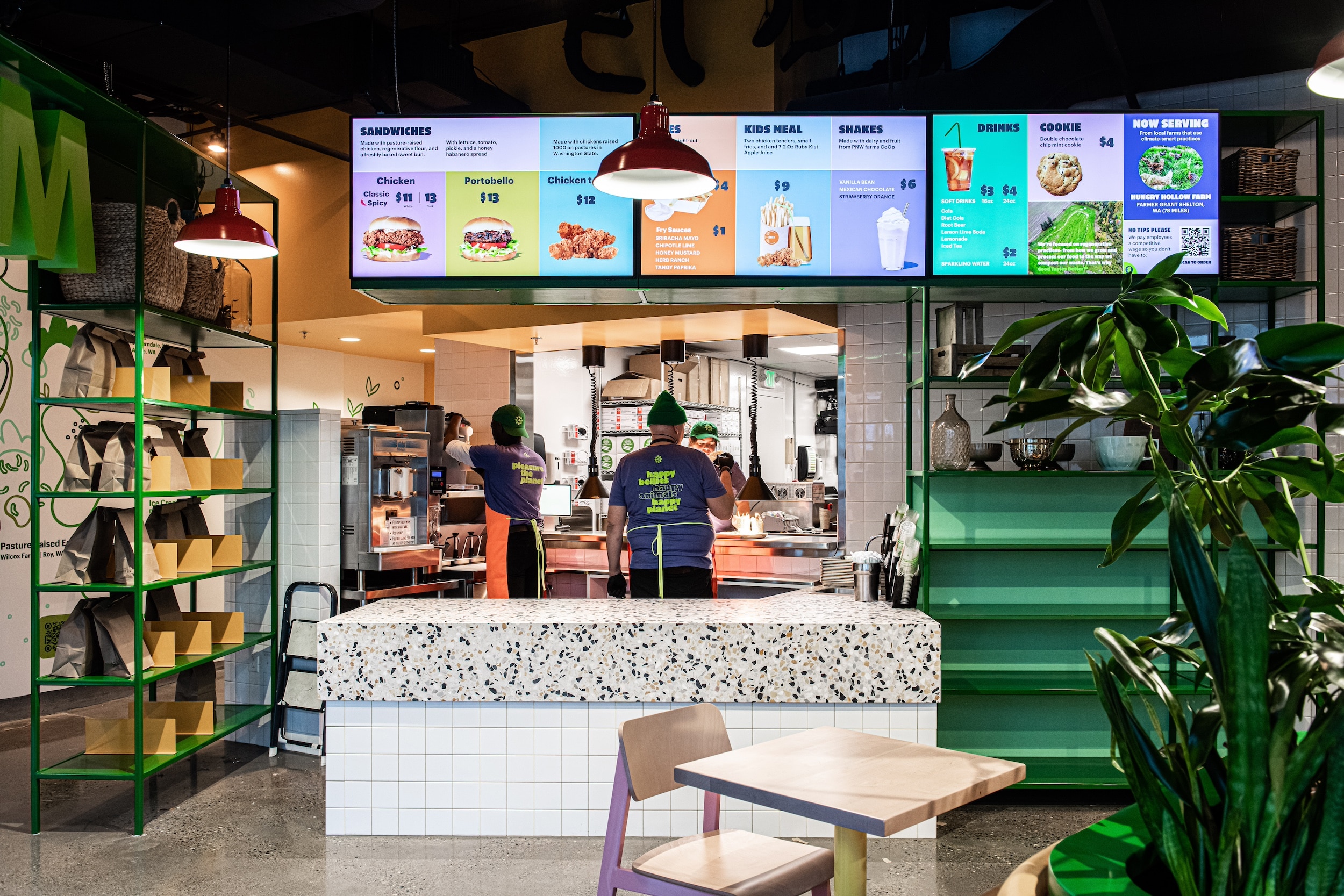
Three months after rolling out a food truck to launch his sustainable, fast-casual, chicken sandwich joint Mt. Joy, entrepreneur Robbie Cape has officially opened the first Seattle brick-and-mortar location.
Just blocks away from the truck in the Capitol Hill neighborhood, Mt. Joy is up and running at 1530 11th Ave., serving a menu of fried chicken sandwiches and tenders, french fries, milk shakes and more.
Cape, the tech leader who previously headed up telehealth company 98point6, has partnered with an array of food and farming professionals, including Seattle restaurateur Ethan Stowell, who is a co-founder.
And he’s raised $1.5 million to get the whole operation going from investors that include David Cape of Canadian cosmetics company Marcelle; Ellensburg, Wash.-based Mark Anderson at Anderson Hay; former Concur co-founder Mike Hilton; former Voyager Capital co-founder Tony Audino; Just Poké co-founder Norman Wu; and others.
Robbie Cape, co-founder and CEO of Mt. Joy, during the debut of the food truck in Capitol Hill in September. (GeekWire Photo / Kurt Schlosser)
Cape, who left 98point6 in 2021 in a surprising departure, was also previously co-founder and CEO at Cozi, a family organizing app founded in 2005 and acquired in 2022.
Asked how he likes running a restaurant startup after years in tech, Cape told GeekWire that he’s loving it.
“To be able to interact with a guest when they are entering your experience and while they’re having your experience in a very natural way is incredibly empowering,” Cape told GeekWire.
Mt. Joy’s focus is on sustainable farming practices and locally sourced ingredients to disrupt the agriculture and food industries from start to finish. Regenerative agriculture is part of the mantra because of its potential to combat climate change by improving the organic makeup of soil and removing carbon from the atmosphere.
Cape said the food truck, at 1600 E. Olive Way in a former Starbucks parking lot, has been doing great and he’s learning plenty about what customers want and how they interact with some of Mt. Joy’s tech. For instance, most customers prefer to place their order on an iPad located at the truck window rather than use their own phones.
“That’s a little surprising,” Cape said. “We would have expected that it would have been the other way around. I’m really glad that we had both options.”
Cape also said they’re currently determining what the future of the truck will be now that the restaurant is open nearby. It could move to another part of Seattle to spread the Mt. Joy love around.
Inside The Cloud Room, a co-working space in Seattle’s Capitol Hill neighborhood that is thriving as workers seek a space that is not home and not the office. (GeekWire Photo / Kurt Schlosser)
Donna Moodie has a home office. But the chief impact officer at the Urban League of Metropolitan Seattle prefers to surround herself with other co-working members, just two blocks away at The Cloud Room in Seattle’s Capitol Hill neighborhood.
“I really like leaving my house to come to work, having this be my workspace, and then going home,” Moodie told GeekWire as she sat laptop to laptop for one of her regular meetings with Ashley Pugh, director of communications and external affairs for the Urban League.
Both women agreed that The Cloud Room, with its buzzing environment, big windows, plush couches, chairs and pillows, does something to stimulate creativity, productivity, and relationship-building that an office cubicle — or home couch — can’t match.
“I like bouncing ideas off people in person,” said Pugh.
The COVID-19 pandemic changed the way we work. And ultimately, it changed WeWork, the co-working giant once valued at $47 billion that filed for bankruptcy protection last month.
Donna Moodie, left, and Ashley Pugh of the Urban League of Metropolitan Seattle hold a meeting on a couch at The Cloud Room. (GeekWire Photo / Kurt Schlosser)
But in the wake of WeWork’s downfall, the office-sharing concept looks poised to survive and perhaps even thrive as employers cut their real estate footprints and cope with workforces that have settled into remote and hybrid models.
Workers who appreciate the flexibility of working where they want use the co-working option as a way to avoid commutes, assemble smaller teams in one place, enjoy office-style amenities, and be away from home while staying close to their neighborhood.
In Seattle, at least two dozen spaces previously listed on GeekWire’s incubators/co-working spaces resource page are no longer in business. The Riveter was among the high-profile losses when it shuttered nine of its women-oriented spaces in May 2020. Other casualties included Impact Hall, Atlas Networks, Galvanize, Hing Hay Coworks, Ballard Labs and Office Nomads.
But new spaces are moving in to fill the post-pandemic void and other established companies — albeit much smaller than WeWork — have hung on and in some cases are even growing.
‘Doing better than it ever did’
The Cloud Room’s Liz Dunn in the co-working space she owns on Capitol Hill. (GeekWire Photo / Kurt Schlosser)
Liz Dunn has been running The Cloud Room since 2015. The name is a nod to the old bar atop Seattle’s Camlin Hotel, but with its comfortable decor and array of houseplants, the co-working space could very well be called The Living Room.
Dunn was an early Microsoft vet from 1986 to ’96, and she’s now a fixture in the commercial real estate scene, especially with her Chophouse Row development in which The Cloud Room is located.
Dunn said the impact of the pandemic and hybrid work on traditional office real estate has been tough.
“The bright side is that co-working, at least our co-working space, is doing better than it ever did,” she said. “Our team works out of this space. The sun’s shining in and small business people are doing their business, having their meetings.”
With just 6,600 square feet of space on a single floor, The Cloud Room is not a big space. A much bigger WeWork is visible a block away in the view down 11th Avenue. But Dunn has attracted around 200 fully paid members with the usual amenities — and a little cocktail bar — and her desire to build community in the space.
She offers discounts and free memberships here and there for nonprofits and others who infuse the space with a creative edge. And lately, there are plenty of workers who need a place other than home or the traditional office.
“We have a couple corporate employees whose workplace isn’t really firing on all cylinders, and so they are here instead,” Dunn said. “They don’t feel like going to work because there’s nobody there. But they’re tired of being at home. The common theme is they want to go somewhere.”
‘We’re not going to see co-working disappear’
A WeWork location on Capitol Hill in Seattle. (GeekWire Photo / Kurt Schlosser)
Ryan Masiello, a chief strategy officer at commercial real estate technology platform VTS, said what’s happened with WeWork has probably clouded the reality of what’s happening with co-working.
“I think they’ve sort of sucked all of the air out of the room in terms of attention,” Masiello said. “Obviously you have this company that grew way too fast, that has tried to reinvent itself it feels like 100 times at this point. What’s happening with WeWork is pretty disconnected from what’s happening with the rest of the industry.”
For its part, WeWork says its spaces remain open and operational around the world, including in the Seattle area where there are eight locations.
“Seattle remains a key market for WeWork and we are fully committed to providing our members here with world-class, flexible workspace solutions for the long term,” a WeWork spokesperson told GeekWire. “Our commitment to the city is unwavering as we continue to work collaboratively with our landlord partners, aiming to craft solutions that set all parties up for sustainable success.”
Co-working makes up a very small portion of the commercial real estate market, accounting for just 3.4% in the U.S. and 1.2% in Seattle. While overall office demand in Seattle is down 67% versus pre-COVID levels (2018-19), demand for flex space is actually up 3.2% year over year, according to VTS.
Co-working is a segment of the real estate market that has become more important than ever, Masiello argues, because remote work is here to stay and a lot of companies need an answer for how to get people together with a more flexible arrangement.
“For that reason alone, I think that there’s a lot of operators, both big and small, that are actually doing quite well and are growing and have high occupancy, which I think is good news for that sector.”
JLL‘s Adam Chapman, managing director for tenant representation at the firm, agrees that co-working plays a key role for companies in a number of situations, and he doesn’t see that changing on a fundamental level.
“It’s a tailor-made solution for firms entering or expanding in a given market, such as the firms we see in the Seattle area that take co-working space as a landing pad until they are ready to decide where or how much space to lease,” Chapman said. “Growth firms and startups will continue to seek out co-working space, and it plays a great role for firms figuring out their hybrid work solution such as a hub-and-spoke with co-working options in outlying markets.”
Matt Walters is an executive VP at CBRE, which tracks about 1.8 million square feet of co-working space in the Seattle region.
“We’re not going to see co-working disappear. The trend in the co-working market, in general, is demand is still relatively strong,” Walters said, echoing what Chapman said about how it provides the flexibility companies need, especially at the startup level.
“True co-working, where you’re building a community of workers … that’s going to continue to grow and continue to be utilized by the tech office users that are so prevalent in Seattle,” Walters said.
‘We never got in this to just expand rapidly’
The Pioneer Collective co-founders Audrey and Christopher Hoyt inside their Ballard co-working space. Other locations are in Belltown and Tacoma. (GeekWire Photo / Kurt Schlosser)
Started in 2015 by husband-and-wife team Christopher Hoyt and Audrey Hoyt, The Pioneer Collective opened its third location in 2022, in Seattle’s Ballard neighborhood.
The space, which features a floor and a half above a brewery and restaurant, was going to be a WeWork at one time, according to the Hoyts. And they do credit the company, despite all its troubles, with putting the concept of co-working on the map.
“I think we’ve been around long enough where people understand our product and the service that we offer,” Audrey Hoyt said. “In many ways WeWork has been a piece of that, helping create a lot of understanding of what it is we offer.”
Where The Pioneer Collective differs is in its approach to how the small business operates and grows.
“We own the business, so we had to figure out how to be profitable from day one. And we’ve managed to do that all along,” Hoyt said. “We’ve taken a much more slow and steady growth perspective, and we never got in this to just expand rapidly or anything, but to perfect our product and create a sustainable, viable business.”
After surviving a rocky period over the past three to four years where they considered shutting down, The Pioneer Collective is now doing well.
With a mix of hot desks, dedicated workspaces, communal spaces, a couple dozen offices, larger meeting rooms, and more, the Ballard location was busy on a recent workday with people tapping on laptops, taking calls, or even working on a puzzle in the shared kitchen area.
“We kind of doubled down in COVID,” Hoyt said. “We were able to find some opportunity to negotiate the types of leases that made sense because landlords were more eager to do anything.”
A change of scenery
Eric Swanson, a lawyer for a startup based in California, works from a desk he rents month to month at The Pioneer Collective in Ballard. (GeekWire Photo / Kurt Schlosser)
The last time Eric Swanson worked in a traditional office setting, it was March 2020 in San Francisco, at the start of the pandemic. Now a lawyer for a startup based out of California, Swanson had been a nomad for the past few years, living in short-term rentals and working out of different co-working spaces in different cities around the U.S.
The Wall Street Journal reported this month on the trend around spaces located outside downtown areas that appeal to workers who don’t want to commute. Smaller local competitors to WeWork, which charge lower rates, have proliferated in residential and suburban areas of cities, the report said, as workers launch their own businesses and “cling to the work-life balance they struck during the pandemic.”
Swanson is one of of those people avoiding a commute downtown. In May, he and his partner settled in Seattle’s Interbay neighborhood, a short bike commute from Ballard and The Pioneer Collective. He could work from home, but getting out and changing the scenery is beneficial.
“I just found for my productivity, and my relationship with my partner, it’s just a lot better if I’m not sitting at a desk all day,” Swanson said.
Swanson rents a desk month to month, surrounded by others doing various kinds of work. He thinks co-working, at least in relatively high density areas, is a much more preferable solution for companies than signing a big lease in a building.
“I worked in tech in San Francisco,” he said. “These companies are signing leases on these huge buildings and you don’t even know if you’re going to get your next round of funding and you’re locking into twice as much space as you need.”
‘It’s really nice just seeing other humans’
Nicole Buckenwolf works remotely for Spotify in a hybrid model that includes a couple days at home and a few at The Pioneer Collective. (GeekWire Photo / Kurt Schlosser)
Nicole Buckenwolf makes the short trip from home to The Pioneer Collective two or three days a week, to work out of a small, private office that she has decorated with a few pieces of art.
A senior staff ontologist at Spotify, Buckenwolf helps build models to organize content for the music streaming service, which employs about 60 people in the Seattle area, but has no dedicated office.
Buckenwolf previously worked for Amazon and went remote, along with her husband, when COVID started. But in a small apartment with a small child, it was getting difficult.
“My kid is 6, I was sharing my office with his room. And he’s getting to the age where he’s like, ‘I want my room back,’” Buckenwolf said. “I needed another place to go where my work wasn’t at home. It’s just easier to focus and it’s nice to go somewhere else and not be next to my dirty kitchen.”
Buckenwolf works with a lot of fully remote people in lots of different countries and tends to have meetings at weird times. She likes having an office where her calls aren’t a bother to other people. But mixing in communal settings reminds her of what she liked about being in an office.
“It’s really nice just seeing other humans,” she said. “I love just chatting with people at lunch about what they’re doing.”
Tola Capital Managing Director Sheila Gulati. (Tola Photo)
Sheila Gulati spent the past decade as managing director of Tola Capital immersed in cloud transformation, investing in cutting-edge enterprise software startups that took advantage of new innovations in digital applications and platforms.
Gulati, a former cloud leader at Microsoft, sees a similar step-change on the horizon with the AI revolution — one that she believes will happen with even more speed and velocity.
“We’re entering a completely different era of how intelligence works,” Gulati told GeekWire.
Tola Capital announced a $230 million third fund this week that it will use to invest in 25-to-30 early stage startups.
The Seattle-based firm has already invested in a few startups out of the new fund, including Holistic AI, an AI governance platform, and Arcus, which helps companies improve their AI applications.
The cloud drove a sea-change in how applications are developed and used, but it also required some level of “physicality,” Gulati said — think data centers and servers. Applications also needed to be rewritten in the cloud.
AI systems and models still rely on the cloud and hardware such as chips. But they can grow exponentially.
“As you think about this AI world, the capability from a speed of adoption, a speed of development perspective — it can be much faster,” Gulati said. “It’s all logic-based. It’s software. It’s data. There is less physicality to it.”
In other words: more change can happen at a faster pace.
Startups need to consider how AI is inherent to their roadmaps and how they can uniquely deliver value to customers, whether they are an AI-native company or using AI in general, Gulati said.
AI startups also have a responsibility to think about AI ethics and transparency, and to make sure they’re adhering to any regulations, she said.
Tola is investing across various AI-related themes, including tooling, applications, compliance, security, and more.
As far as what she looks for in startup pitches, Gulati asks questions like:
What is the invention? What is the real difference?
How deep is this team in this level of creation or invention?
How resilient is this team? How do they bring their collective intelligence together? What is the diversity around the table that is complimentary to building a company?
More broadly, Tola looks for founders who think big.
“We want people saying, ‘Hey, I’m taking a swing at this massive opportunity, this massive market, and I’m going for it’” she said. “That’s super important.”
Scenes from a past GeekWire Gala at the Showbox Market in downtown Seattle. (GeekWire File Photo)
If you’ve been procrastinating and putting off holiday plans, here’s your friendly wakeup nudge: it’s December tomorrow. And the GeekWire Gala is next week!
First things first — get your tickets now! Early-bird rates end today.
Now, here are five good reasons why that ticket is one of the best things you’ll buy this holiday season.
Our party is your party
If your workplace isn’t rolling out a cart of snacks over by the copy machine, then you should come celebrate with us at the historic Showbox Market in downtown Seattle on Dec. 6. Bring your friends and colleagues, and make new acquaintances. This year, we’re offering special packages of 10 or 20+ tickets, some of which include branding, swag, a group photo, and more. Email us at [email protected] for more information on all that.
Network! Network! Network!
The Gala is a great place to connect with other members of the tech community. You might run into a potential investor, find your future co-founder, or meet the technical whiz you’ve been hoping to land. You could strike up a conversation about the latest trends in artificial intelligence or give that person from another company the pitch for why she should join yours.
It’s a reason to dress up
Work-from-home sweatpants are great, we agree. Puffy vests make you fit right in at the office. But here’s your chance to mix things up and get decked out. Dust off that tux, put on a sparkly dress, find a Santa hat, hang lights around your neck — anything goes when it comes to Gala style.
There’s music. And dancing!
If past Galas are any indication, the Showbox dance floor is where the fun happens. DJ Mixxtress will be back spinning tunes that make all of us feel like we can move. If singing is more your thing, you’ll want to show what you’ve got in the karaoke lounge.
Plenty of fun activities
This isn’t just a holiday cocktail social. The Gala features a wide range of activities to make the night a complete event. Get your caricature drawn with teammates; step in front of the photo booth camera; get an airbrush tattoo. And yes, get your food and drink on, too!
Along with all that, we’re also paying special recognition this year to the region’s “Uncommon Thinkers” — Seattle-area inventors, scientists, technologists and entrepreneurs transforming industries and driving positive change in the world. A big thanks to Greater Seattle Partners for their support of this new awards program.
The GeekWire Gala — presented by First Tech Federal Credit Union — is a 21+ event.
Thanks to our additional gold-level sponsors: Greater Seattle Partners & RSM, US LLP; silver level: Pilot Capital, Tito’s Handmade Vodka, SolluCIO, Prime Team Partners, Remitly, Submittable, Sigma Computing, Cohesity, and Xenomode; and supporting level: World Trade Center Seattle, Hal9, Lexion, American Diabetes Association, and Sonic Symphony World Tour.